Best Italian Restaurants in Tampa You'll Actually Love
Tampa's Italian food story runs deeper than you'd expect from a city that can't stop arguing about its Cuban sandwich.
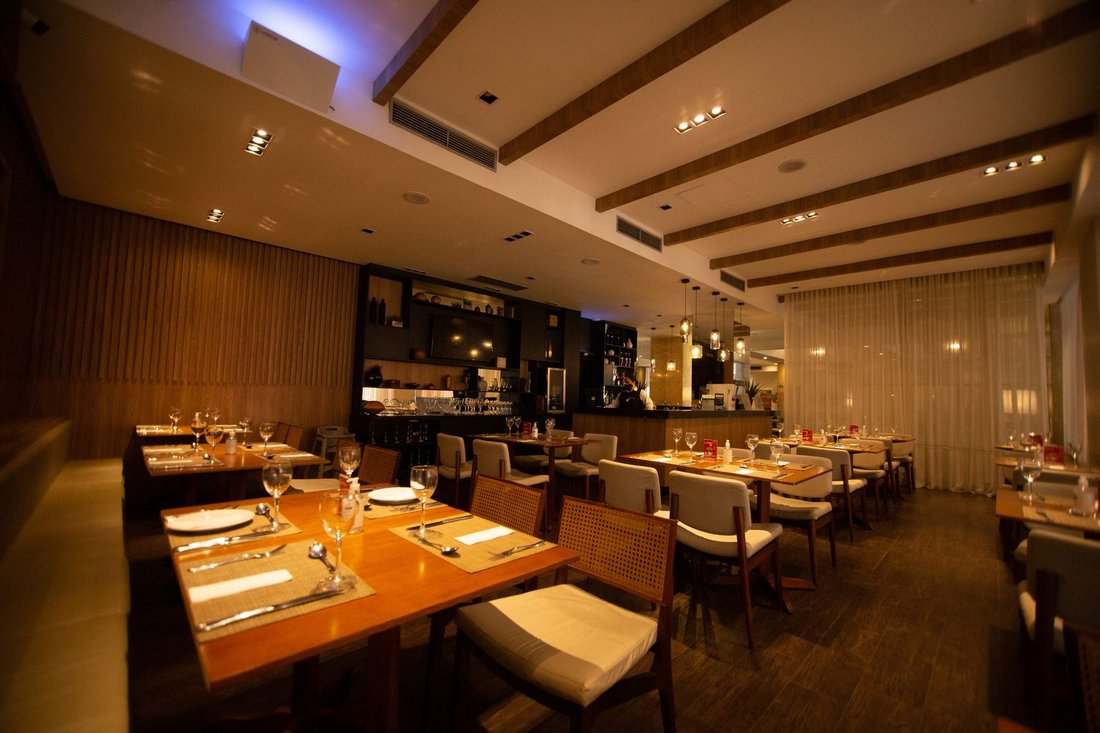
Walk the length of Seventh Avenue in Ybor City on a weekday afternoon and you'll still catch it: the faint ghost of a century-old kitchen, olive oil and garlic working their way into the brick itself. Italian immigrants came to Ybor City alongside Cuban and Spanish cigar workers in the late 1800s, and they brought their food with them. That history is why searching for the best Italian restaurants in Tampa is, at its core, a lesson in understanding this city's layered identity before you ever pick up a fork.
Why the Best Italian Restaurants in Tampa Are Worth Taking Seriously
Tampa doesn't always get credit for this outside city limits, but the Italian-American community here goes back more than a hundred years. In Ybor City, Sicilian families worked alongside Cuban and Spanish immigrants in the cigar factories. They shared walls, shared tables, and eventually shared recipes. The cross-pollination produced something genuinely local: an Italian-American cooking tradition that absorbed Spanish influence, Cuban spice, and a general Gulf Coast sensibility you won't find replicated in New York or Chicago.
History like that matters when you're eating here today. The best kitchens in Tampa are drawing on it, consciously or not. The worst are ignoring it entirely, trading on red-checkered tablecloths and jarred marinara. Knowing the difference before you sit down saves you from a bad meal in a city that has earned better than that reputation.
For more context on the city's culinary roots, it helps to understand how the neighborhood restaurant scenes developed across a metro that spent most of the twentieth century growing outward instead of upward.
The Neighborhoods That Matter
Ybor City is the obvious starting point, and not only for sentimental reasons. The district still has an active restaurant culture, and Italian cooking (red sauce, hand-rolled pasta, old-country braised meats) fits the neighborhood's architecture and energy in a way that feels earned rather than staged. The Columbia Restaurant, open in Ybor since 1905, anchors that history as Florida's oldest restaurant, and the streets around it still reward the diner willing to look past the obvious. When you eat Italian in Ybor, seek out the smaller rooms, the ones that have been there long enough to have a regulars problem.
Hyde Park runs a close second for sheer concentration. The walkable streets between Bayshore Boulevard and Howard Avenue draw the kind of diner who wants a serious meal without driving twenty minutes for it. Italian restaurants in Hyde Park tend toward the polished end of the spectrum: open kitchens, composed desserts, wine lists with actual thought behind them. That's not a criticism. Sometimes you want the tablecloth.
Seminole Heights is a different proposition. The neighborhood built its food identity on craft beer and local-first everything, and its Italian options reflect that, with smaller footprints, shorter menus, and chalkboard specials that depend on what came off the truck that morning. Predictability is not the point here. Anyone who reads the Cigar City Brewing tap list before ordering a pizza will feel at home in Seminole Heights.
South Tampa broadly (covering Palma Ceia, Ballast Point, and the streets radiating out from MacDill) has its own circuit of neighborhood spots that survive on repeat business rather than tourist traffic. These tend to be the places locals protect a little, mentioning them in low tones to people they've decided to trust. Pay attention when a South Tampa person leans in and tells you about a specific kitchen.
How to Read a Menu Like You Know What You're Doing
A few signals separate a kitchen that cares from one that's coasting. Fresh pasta on the menu is table stakes, but it only means something if the restaurant makes it in-house, which is worth asking. Housemade pasta that sat in a walk-in for three days is not the flex it's presented as. What you want is pasta made that day, ideally visible through a kitchen window or mentioned by the server without prompting.
The sauce question matters more than people admit. A kitchen that reaches for sugar to cover acidity in a tomato sauce is covering for bad tomatoes or impatience. Good San Marzanos, cooked with time and restraint, don't need sweetening. A dish that arrives tasting like the back of a spoon got dipped in jam is telling you something.
Protein sourcing has gotten harder to fake in Tampa's current restaurant environment. Gulf grouper on an Italian menu, prepared in the Italian-American tradition (in acqua pazza, say, or with capers and lemon) is a sign that someone in that kitchen is thinking about where they are geographically. Ignoring the Gulf entirely in favor of imported proteins isn't disqualifying, but it suggests a certain disengagement from the city itself.
For the city's seafood scene, you'd look elsewhere, but a smart Italian kitchen in Tampa knows the Gulf is forty-five minutes away and acts accordingly.
What to Actually Order
Braised meats are the most reliable test of a kitchen's patience. Osso buco, short rib ragu, and lamb shoulder are dishes that can't be faked or rushed. A restaurant that does them well is doing something right at the operational level, which usually means the rest of the menu is worth exploring.
Antipasti deserve more attention than they typically get. A well-constructed antipasto plate tells you how the kitchen thinks about salt, acid, and texture before any heat is applied. Cured meats, marinated vegetables, the quality of the olive oil used for finishing, none of these are afterthoughts in a serious Italian kitchen.
Wood-fired pizza occupies its own category, and Tampa has developed a legitimate Neapolitan pizza culture over the past decade. Char, leopard spotting on the crust, a center that stays just this side of wet. A wood-burning oven in the dining room is usually a good sign the kitchen has made a commitment.
Skip the chicken parmigiana at any restaurant where it's the obvious crowd-pleaser. Chicken parm exists because people want it, not because it shows what a kitchen can do. Order the thing on the menu that makes you slightly uncertain. Where the chef's actual point of view lives, that's usually it.
The Honest Takeaway
Tampa's Italian food scene has never needed to announce itself. It grew out of actual community, actual immigration, actual shared tables in Ybor City cigar factories, and it's been quietly getting better for years while the city's attention was elsewhere. The neighborhoods that matter (Ybor, Hyde Park, Seminole Heights, South Tampa) each offer a different version of what Italian cooking looks like when it's adapted to a specific place and specific people.
The restaurants worth returning to are the ones that know where they are. They're cooking with Gulf seafood when it makes sense, drawing on a century of Italian-American Tampa history when it informs the dish, and resisting the pull toward genericness that has flattened restaurant culture everywhere else. Find those kitchens, go back twice, and tip like you mean it.