Ybor City Neighborhood Guide, Block by Block
Brick by brick, block by block, Ybor City still runs on cigar smoke, Cuban coffee, and a streetcar bell, and it deserves to be read as a neighborhood instead of a nightlife punchline.
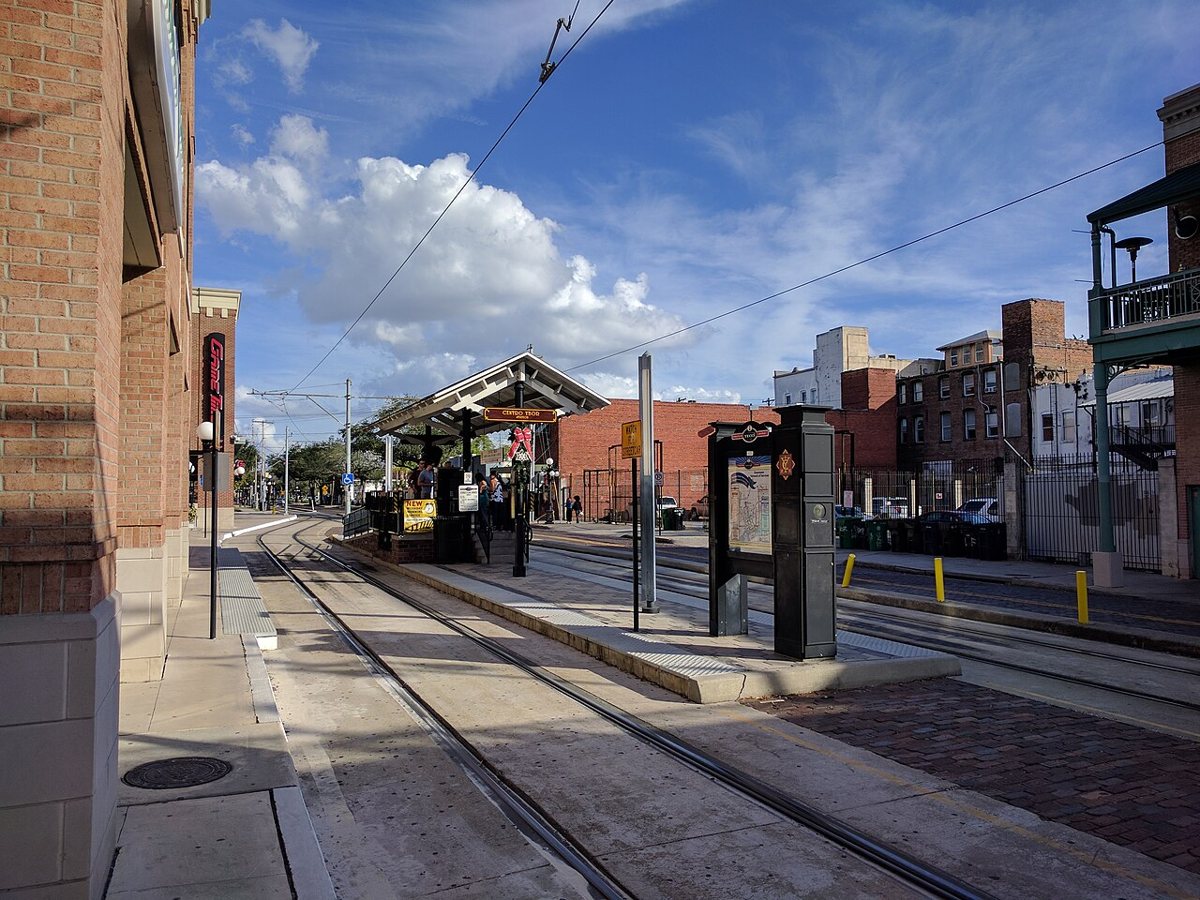

A rooster crosses 15th Street around eight in the morning, unhurried, ignoring the TECO streetcar bell two blocks up on 8th Avenue. A door on 7th Avenue is propped open, and inside a roller works tobacco leaf by hand, the same motion cigar workers made here more than a century ago when this district shipped product across the country. The brick beneath your feet was laid before most of Tampa had paved roads at all, and it still rattles a delivery truck's suspension at 9 a.m. Any honest Ybor City neighborhood guide has to start here, with the chickens and the smoke and the brick, because those three things are not decoration. They are what is left of a working immigrant district that Tampa spent decades trying to figure out what to do with.
Ybor City was built by Cuban, Spanish, and Italian cigar workers in the late 1800s, and it functioned as its own city before Tampa annexed it. That history is not a plaque you walk past. It is the reason the streets are brick instead of asphalt, the reason wrought-iron balconies still shade the sidewalks on 7th Avenue, and the reason a restaurant founded by Spanish immigrants in 1905 is still serving food a block off that same avenue. Understanding Ybor block by block means understanding that the Latin heritage here is not a theme. It is the origin story.
A Ybor City Neighborhood Guide Starts on 7th Avenue
7th Avenue, or La Séptima as longtime residents still call it, is the spine. During the day it is walkable and almost sleepy, with cigar shops, galleries, and the kind of storefronts that have survived several waves of what developers like to call revitalization. By night the same stretch fills with bars and music, and the crowd skews younger and louder, which is the version of Ybor most visitors think they know. Both versions are real. The mistake is assuming the nightlife strip is the whole neighborhood, when it is really just the loudest three blocks of a much older and quieter place.
Centro Ybor sits at the west end of that stretch, a shopping and entertainment complex built into the district two decades ago. It gets criticized locally for feeling a little generic next to the brick around it, and that criticism is fair. But it also anchors the neighborhood for people arriving by streetcar or car who need a starting point before they wander into the older blocks.
Off the Main Drag
Turn off 7th Avenue and the character changes fast. The side streets running north and south, especially around 15th and 16th, still carry the old cigar worker cottages known locally as casitas, narrow wood-frame houses built close together for factory families. Some have been restored, some haven't, and that mix is part of what makes walking those blocks worth the time. José Martí Park, a small green space named for the Cuban independence leader who raised money and support for Cuba's cause among Ybor's cigar workers, sits quietly a few blocks off the main strip. It is not flashy. It is one of the clearest physical reminders that this neighborhood's politics once mattered on an international scale.
The Streetcar Still Matters
The TECO Line streetcar connects Ybor to downtown Tampa and the Channel District, running along tracks that echo the old electric trolley lines that once moved cigar workers through the city. It is slow by design, and that is the point. Riding it end to end is one of the few ways left to feel Tampa's older street grid the way it was actually used, rather than the way it gets driven through now. Locals have complicated feelings about the streetcar's limited reach and schedule, but nobody argues it doesn't belong here.
What to Eat, and Why Tampa Is Territorial About It
Food is where Ybor's identity gets defensive, and Tampa has earned the right to be defensive about it. The Tampa Cuban sandwich includes a layer of salami that Miami versions leave out, a difference that traces back to the Italian immigrant community that worked alongside Cuban and Spanish workers in the same cigar factories. Order one anywhere in Ybor and you are eating a specific, local argument, not just a sandwich. If you want the deeper version of that argument, Tampa's Cuban sandwich has its own history worth reading on its own.
Deviled crab, a breaded and fried croquette built around spiced crab meat, is another Ybor staple with roots in the same immigrant kitchens, sold at stands and counters throughout the district for generations. And the Columbia Restaurant, founded in 1905 and still operating on the same block, is Florida's oldest restaurant and one of the state's genuine culinary landmarks. Its 1905 salad, tossed tableside with ham, olives, and cheese, is not a gimmick. It is a century-old house recipe that predates almost every other menu item in the city.
- The Tampa Cuban sandwich, salami included, non-negotiable locally
- Deviled crab from a walk-up counter, best eaten standing
- The Columbia Restaurant's 1905 salad, made tableside since 1905
Pair any of it with the local beer scene, which has grown up around Ybor's warehouses and old cigar buildings in the last decade and has become its own reason to visit.
Reading the Neighborhood Right
Ybor gets flattened in a lot of outside coverage into two competing images: a rowdy bar strip on 7th Avenue, or a historic district frozen in amber. Neither does the place justice. The brick streets carry weight because real families lived and worked on them. The chickens are descendants of birds cigar workers once kept for eggs and cockfighting, left to roam once that practice ended, and the city eventually decided they were a mascot instead of a nuisance. The streetcar is a slow, occasionally unreliable transit line and also a direct link to how this neighborhood was built to move people.
Walk it block by block and Ybor stops being a nightlife destination or a museum piece. It becomes what it actually is: a Latin immigrant neighborhood that built Tampa's identity from the ground up, brick by brick, and never fully stopped being itself.