Best Italian Restaurants in Ybor City Worth the Trip
Ybor City's Italian roots run deeper than the brick streets let on, and here's how to eat your way through them without wasting a trip.
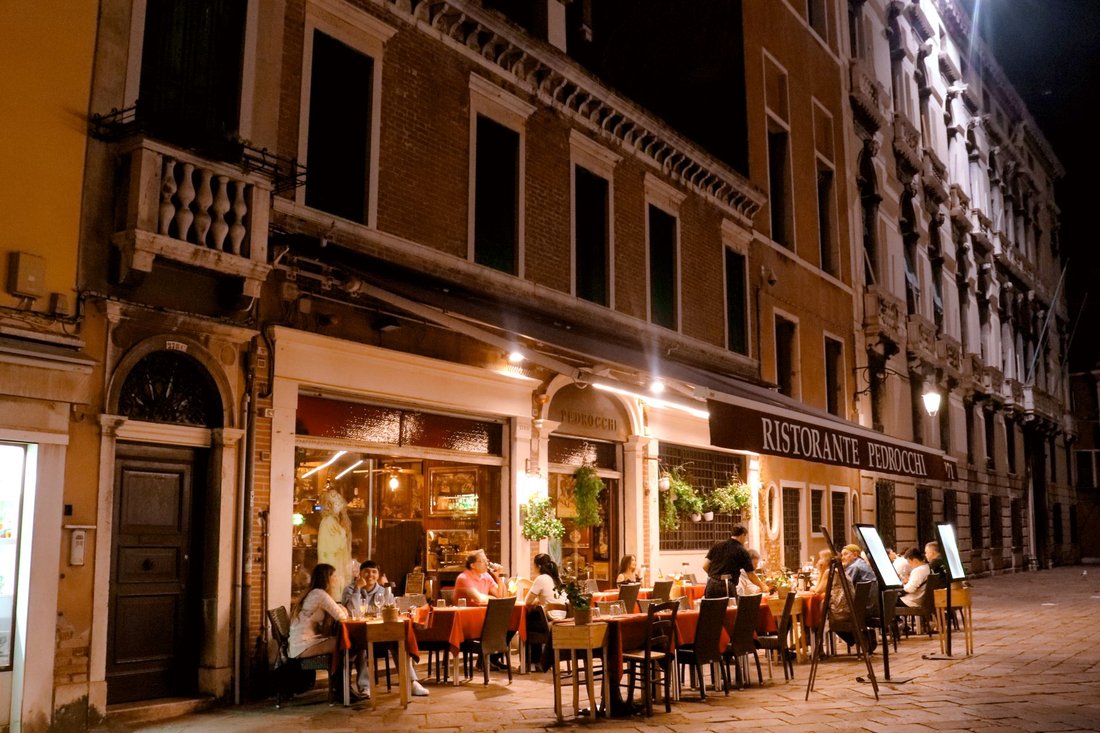
On a Tuesday night in Ybor City, the smell of garlic and tomato drifts past a shuttered cigar factory on Seventh Avenue, and somewhere a family argument is happening in rapid Spanish over who owns the last piece of bread. The overlap of old Latin neighborhood, immigrant cooking, and the faint industrial humidity of a city that actually made things is what separates a meal in Ybor from one anywhere else in Tampa. The history isn't décor here. It's in the foundation.
For anyone tracking down the best italian restaurants in Ybor City, the first thing worth knowing is that the Italian presence in this neighborhood was never incidental. Sicilian and southern Italian immigrants arrived in the late 1800s alongside Cuban and Spanish workers, all drawn by the cigar trade. These families built mutual aid societies, opened grocery stores, made their wine in the yards of shotgun houses. The food that came from those kitchens was not the red-sauce Americanized version most of the country grew up with. It was regional, specific, and tied to whatever could be grown or found in a subtropical climate that Italians, more than they expected, found familiar.
What the Best Italian Restaurants in Ybor City Actually Share
The restaurants worth seeking out in Ybor tend to carry that history without advertising it too loudly. There are no checkered tablecloths doing the talking. You find instead menus that reflect the immigrant experience honestly: simple preparations, seasonal ingredients, pasta made on-site. The last point matters more than it sounds. Handmade pasta has a texture that dried pasta cannot replicate, a slight roughness that holds sauce differently, a bite that gives before it yields. When a kitchen is making pasta in-house, it usually shows up in the chew. If you're not sure, ask. Any kitchen proud of it will say so immediately.
The historic district itself shapes the dining in ways that don't apply to South Tampa or Channelside. Buildings in Ybor are old and protected, which means spaces are often small, acoustically lively, and lit by high windows or string lights strung across original brick. The compression is part of the experience. Reservations on weekends are not optional in a 40-seat room that fills by 7 p.m. Parking is a real negotiation. Factor both into the plan and you won't be caught off guard.
How to Read an Italian Menu in a Historic Neighborhood
A few things are worth knowing before you sit down. The best Italian cooking in an old immigrant neighborhood tends to lean on a shorter menu, not a longer one. Fewer dishes made with attention beats a sprawling card full of options that require a very large prep crew. If a spot is offering forty items, something is probably coming out of a bag. The kitchens doing honest work here tend to rotate specials based on what's available: whole fish, local vegetables, stone crab when it's in season.
On the wine list, look for southern Italian bottles such as Aglianico, Nero d'Avola, or Falanghina, since those are the regions that link most directly to the ancestry of Ybor's early Italian community. A restaurant connected to that heritage, even loosely, often reflects it in what they pour. It's also worth asking the server about the pasta. A good one will know whether it's made in-house that day, what semolina or egg ratio the kitchen uses, and which sauce was developed for which shape. Knowledge like that is a signal.
Ybor City's dining scene has shifted in recent years toward restaurants that take the neighborhood's history seriously rather than using it as backdrop. That marks a real change from a decade ago, when the strip leaned heavily on late-night food that didn't require much attention. The cooking here now rewards a slower approach.
What to Order
- Handmade pasta in any form, but especially shapes that are labor-intensive like cavatelli, orecchiette, or pici. They signal a kitchen that is not cutting corners.
- Braises and slow-cooked meat dishes, which reflect the Italian immigrant tradition of cooking tough cuts for a long time until they become something worth sitting down for.
- Anything that uses local seafood, since Florida grouper and Gulf shrimp pair well with simple Italian preparations and the best kitchens know it.
- House-made bread, if it's offered. It tells you something about how the kitchen thinks about the whole meal, not just the main event.
The Neighborhood Factor
Eating in Ybor requires accepting certain conditions that are inseparable from why the neighborhood is worth visiting. The streets are loud on Friday and Saturday nights. Foot traffic from Seventh Avenue spills past restaurant windows. There are bars next to restaurants next to history museums next to cigar shops that have stayed in the same family for generations. The density is not a problem to manage. It's the actual character of the place.
The Italian restaurants that thrive in this environment are the ones that lean into it rather than trying to manufacture the feeling of dining somewhere quieter. A good meal in Ybor has a certain energy to it. The neighborhood is always slightly performing its own past while also being a functioning, complicated present-tense city block. That tension is what makes a Tuesday night feel like something, even when nothing particular is happening.
Worth noting, too: Ybor's Italian heritage is not separate from its Cuban and Spanish heritage. These immigrant communities lived next to each other, cooked for each other, and over generations influenced each other's food. The Cuban sandwich debate that Tampans will reliably start with Miami is partly an Ybor story. The salami that Tampa's version includes is often attributed to the Italian immigrants who worked alongside Cuban cigar rollers and contributed to the recipe. The food history here is genuinely layered in ways that a single ethnicity's cuisine can't contain.
Making the Trip Worth It
If you're coming from outside the neighborhood, the formula is simple: go on a weeknight if you can, make a reservation, and give yourself enough time to walk Seventh Avenue before or after the meal. The architecture alone earns the trip. Ybor is one of the few places in Tampa where you feel the weight of a specific past, not a theme park version of it, but the actual residue of people who built something here and whose grandchildren are still around.
The Italian restaurants in Ybor worth your time are the ones that understand they are part of that weight. They aren't trying to be a red-sauce throwback or a trendy pasta bar. The good ones land somewhere in between, drawing on a real history to make food that holds up to the neighborhood around them. Meet that standard, and dinner in Ybor is hard to beat anywhere in Tampa.