Best Mexican Restaurants in Tampa: A Local's Guide
A local food writer's honest map to Tampa's scattered Mexican food scene, and how to tell a serious kitchen from a combo-platter shortcut before you order.
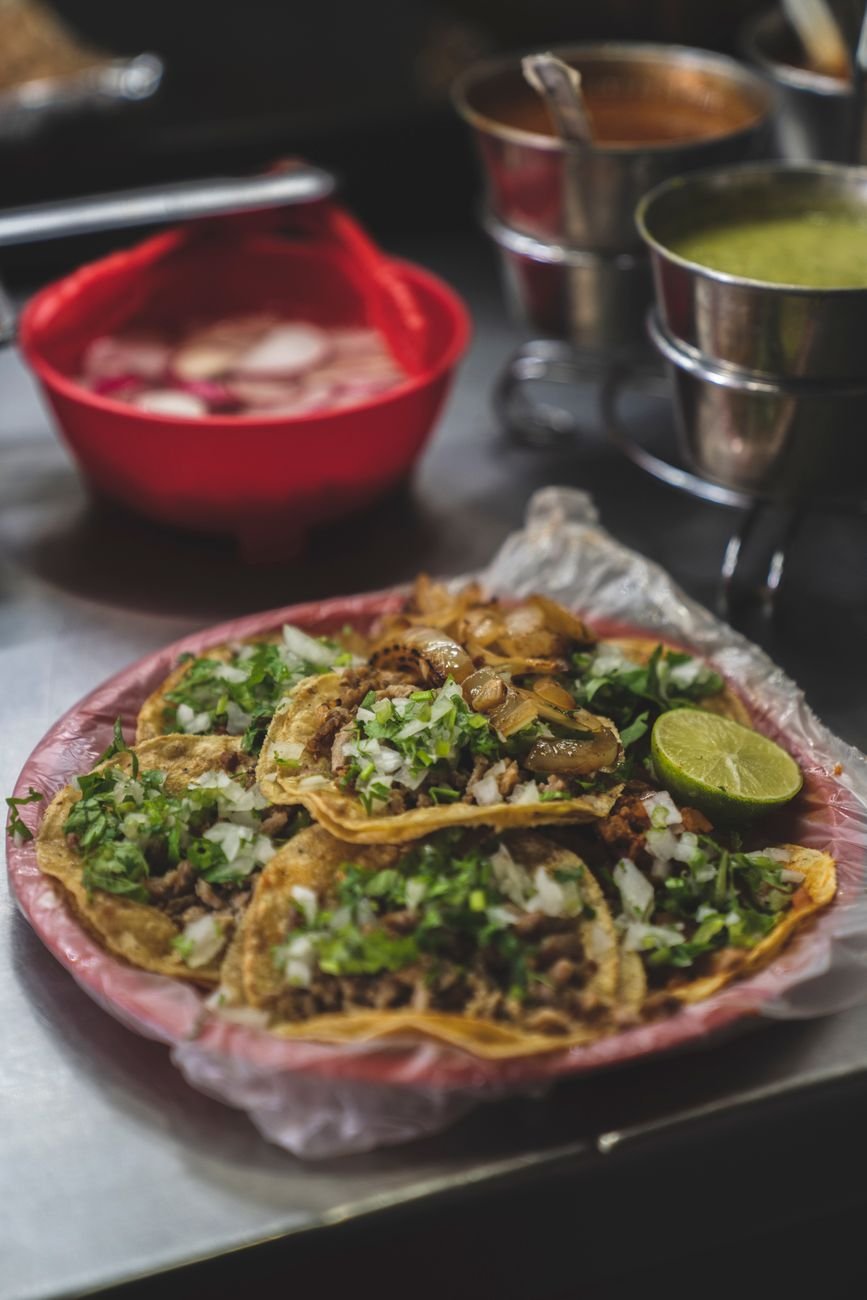
Drive Nebraska Avenue on a Tuesday night and you'll pass three versions of Mexican food in a single mile: a taco stand running on a propane tank and instinct, a strip-mall spot with a steam table of shredded beef and a wall of hot sauce bottles, and a sit-down dining room serving combination platters under string lights nobody's taken down since Christmas. That's the real shape of Tampa's Mexican food scene right now, spread across the map and uneven in quality, but better than outsiders give it credit for. Finding the best mexican restaurants in tampa means learning which signs point to a serious kitchen and which ones just point to a squeeze bottle of orange cheese sauce.
Tampa's Latin food identity was built on Cuban and Spanish roots long before salsa verde entered the conversation. Ybor City carries that history in its brick streets and cigar-factory architecture, built by Cuban, Spanish, Italian and Eastern European workers, which is part of why the local Cuban sandwich famously carries salami. Mexican food arrived later and settled differently, less concentrated in one historic district and more threaded through the neighborhoods where families actually put down roots: pockets of Seminole Heights, stretches of Riverside Heights, corridors of South Tampa near the produce warehouses. That spread is exactly why the search takes some know-how instead of a single evening's walk.
What Separates the Best Mexican Restaurants in Tampa From the Rest
The clearest signal has nothing to do with décor or how many string lights are strung across the patio. It's the tortilla. A kitchen that presses or griddles its own corn tortillas, or at minimum warms them fresh rather than microwaving from a bag, is telling you something about how it treats everything else. The same goes for salsa. A single bottled red sauce on every table is a shortcut. A rotation of two or three house salsas, one bright and raw, one smoky from charred chiles, one built around tomatillo, means someone in the kitchen is actually cooking rather than assembling.
A few other markers worth watching for when you're scouting a new spot:
- Weekend specials that don't show up on the regular menu, like a Sunday pot of birria or a menudo that sells out by early afternoon
- Proteins cooked low and slow on the bone rather than pre-shredded and reheated in a steam tray
- Agua frescas or horchata made in-house daily, not poured from a syrup dispenser
- A short, focused menu rather than twelve pages covering four regional cuisines at once
Tex-Mex Versus Regional Mexican: Know What You're Ordering
Tampa eaters tend to lump every taco under one roof, but Tex-Mex and regional Mexican cooking are different traditions with different goals. Tex-Mex favors flour tortillas, shredded yellow cheese, ground beef, fajita platters sizzling on cast iron, and queso as a category of its own. It's a genuinely American cuisine with a long, legitimate history, and plenty of Tampa dining rooms do it well. Regional Mexican cooking, by contrast, points toward specific states and their signature dishes: birria from Jalisco, cochinita pibil from the Yucatan, mole from Puebla or Oaxaca, al pastor built on a spinning trompo. Neither style is more authentic than the other in some abstract sense, but they're not interchangeable, and a restaurant that's honest about which one it's serving usually earns more trust than one trying to be both at once.
Taqueria or Sit-Down: Different Tools for Different Cravings
A taqueria, whether it's a counter-service storefront or a truck parked on a gravel lot, tends to do a handful of things extremely well: tacos, maybe tortas, maybe a single stew on rotation. Judge it on the tortilla, the meat, and the salsa, in that order, and don't expect a wine list. A sit-down restaurant is playing a different game, usually leaning toward the Tex-Mex end of the spectrum with combination plates, margaritas, and a dining room built for a group. Both formats can be excellent. The mistake is walking into a taqueria expecting tableside guacamole, or walking into a family-style dining room expecting the fastest, freshest tacos in the city. If tacos specifically are your metric, they turn up across Tampa's newer restaurants too, beyond the taquerias in this guide.
Drinks tell you almost as much as food does. A well-made margarita, the kind you find at a good Ybor City bar, built with real lime juice and a decent tequila rather than a bottled mix, is a fair proxy for how seriously a kitchen takes the rest of its menu.
Where to Start Looking, Neighborhood by Neighborhood
Seminole Heights rewards walking and comparing rather than committing to the first spot you see; its bungalow-lined streets and craft beer culture have pulled in a wave of smaller, chef-driven kitchens alongside longtime family-run counters. Riverside Heights, just south along the river, has a similar mix of old and new at a smaller scale. South Tampa carries more polish and more Tex-Mex-leaning dining rooms suited to a group dinner, especially near the produce and wholesale corridors that have anchored Latin grocery culture for decades. Hyde Park and the Channel District skew toward higher-end, date-night versions of Mexican cooking, often folded into broader Latin American menus rather than standing alone. None of these neighborhoods has a monopoly, which is the whole point: the good stuff in Tampa doesn't cluster in one obvious strip the way it might in a bigger Mexican-food city.
The real takeaway is to stop looking for a single ranked list and start reading kitchens the way a regular would: check the tortilla, taste the salsa, notice what's only on the menu on weekends, and decide if tonight calls for a taqueria's precision or a sit-down room's generosity. Tampa's Mexican food scene doesn't announce itself with a skyline of neon signs. It rewards people willing to drive a few extra miles and order off the parts of the menu that look unfamiliar.