Things to Do in Tampa You Shouldn't Miss
A working local's guide to the Tampa Riverwalk, Ybor City, Busch Gardens, and every other Tampa institution worth your time, from a Seminole Heights transplant who used to edit arts coverage at Creative Loafing Tampa Bay.
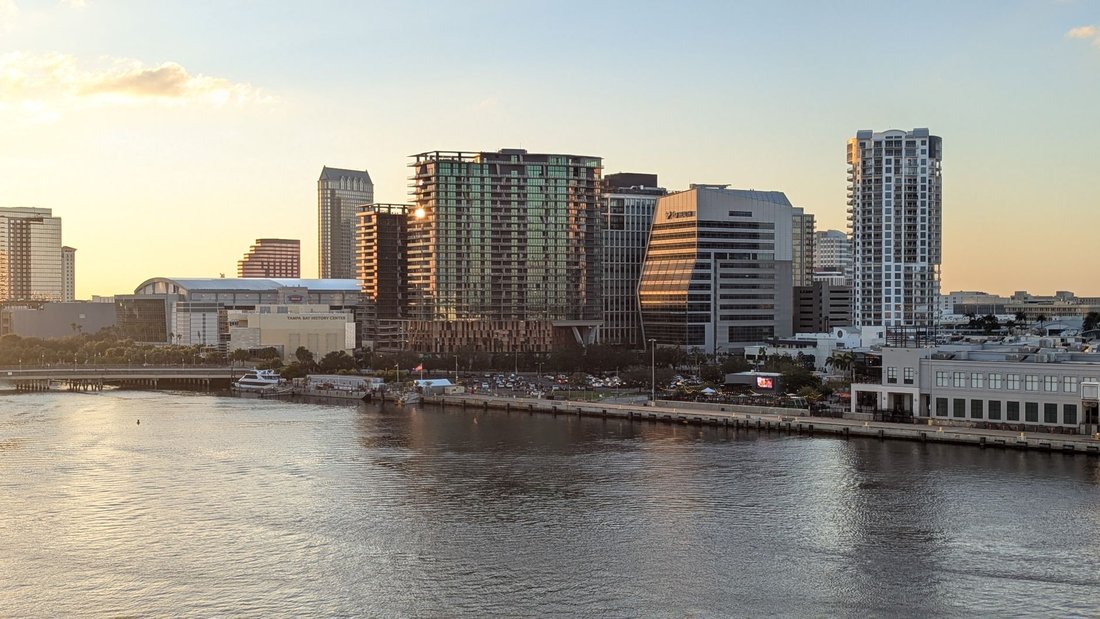
The sun hasn't cleared the skyline yet when the first joggers hit the Tampa Riverwalk at Curtis Hixon Waterfront Park, and a great blue heron is already working the shallows near the fountain, unbothered by paddleboarders easing off the dock. This is Tampa at its most honest: humid, unhurried, and better looking than most visitors expect before the glass towers along the Hillsborough River catch the morning light. Ask ten locals for things to do in Tampa and you'll get ten different lists, because this city has quietly built enough culture, coastline, and cocktail bars that Orlando doesn't need to enter the conversation at all.
Tampa isn't St. Petersburg's quieter, artsier cousin across the water, and it isn't Clearwater's beach strip either. It's the region's working city, a port town that grew up around cigars and shipping and turned that grit into a real skyline, a food scene chefs from Miami quietly admit is underrated, and a craft beer culture that predates the national boom by a decade. Locals get a little defensive about the comparisons, and fairly so: Miami gets the magazine covers and Orlando gets the theme park traffic, while Tampa built a working downtown, a legitimate Cuban food tradition, and a waterfront park system almost nobody outside Florida knows exists. What follows is a real accounting of where to spend a day, a weekend, or a week here, organized the way a local actually moves through it: downtown and the river first, then Ybor City, then south into Hyde Park and along Bayshore Boulevard, then out to the animal parks that put Tampa on the map for out-of-state families.
Tampa also plans a good part of its calendar around the fictional pirate legend of Jose Gaspar, and the citywide Gasparilla celebration turns downtown into a costumed street party built around a mock pirate ship invasion, followed by a parade along Bayshore Boulevard packed with beads and marching bands. It functions less like a single festival and more like a season, with smaller satellite events building toward the main invasion, and locals plan vacation time around it the way other cities plan around a hometown team's playoff run. Speaking of hometown teams, Amalie Arena and Raymond James Stadium give the city legitimate major league standing on their own, home to the Tampa Bay Lightning and the Tampa Bay Buccaneers, and catching a game at either counts as a real answer to what to do in Tampa on a given weekend, not filler between museum stops.
Things to Do in Tampa Start Downtown
The Tampa Riverwalk is the connective tissue of downtown, a paved path of roughly two and a half miles that links Curtis Hixon Waterfront Park, the Tampa Museum of Art, Sparkman Wharf, and the Straz Center in one uninterrupted walk along the Hillsborough River. It didn't happen by accident. City planners spent decades stitching together parcels that used to be parking lots and rail yards, and the payoff is a promenade where you can rent a bike, catch a free outdoor concert, watch the Gasparilla pirate ship dock every January, or just sit on a bench and watch the water taxis cross toward Harbour Island. Walk it at golden hour and it's obvious why locals get prickly when people write Tampa off as a drive-through city on the way to the beach.
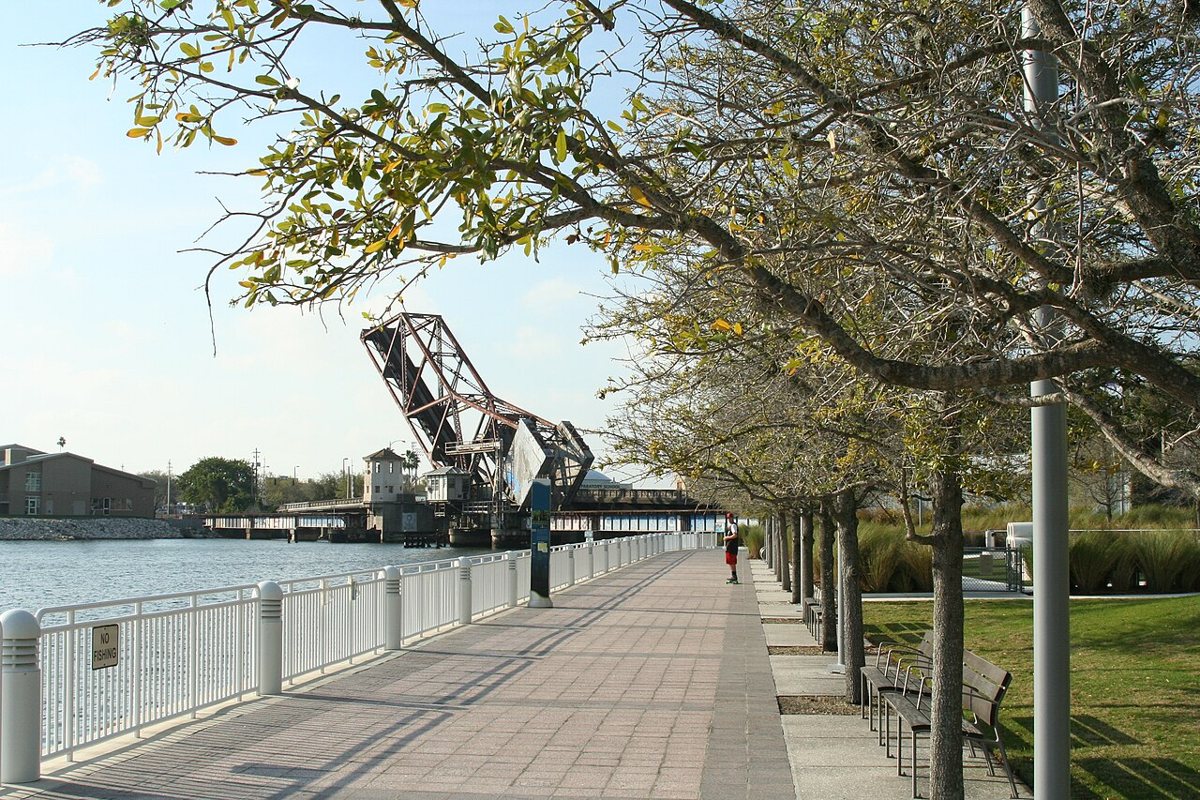

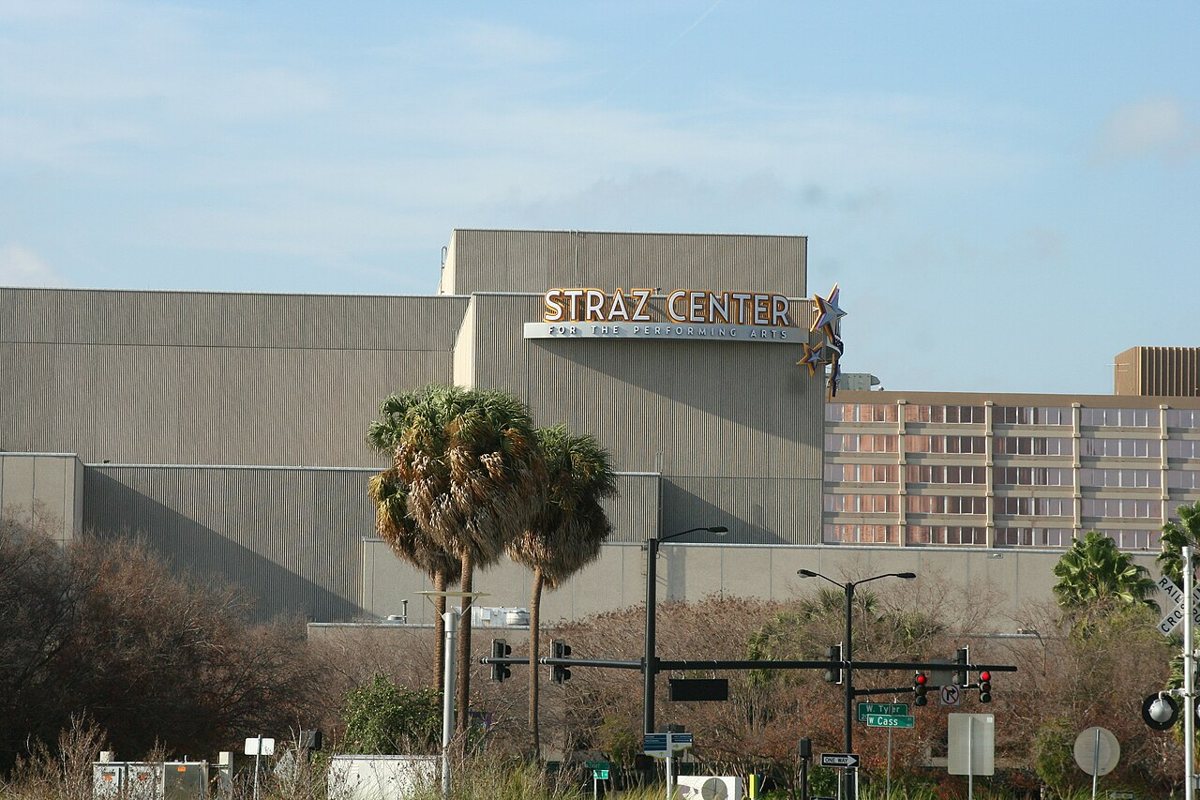
Curtis Hixon Waterfront Park is where the Riverwalk earns its reputation as downtown's living room. The open lawn hosts everything from food truck rallies to outdoor movie nights to the annual Gasparilla Festival of the Arts, and on any ordinary weekend you'll find kids running through the splash fountain, office workers eating lunch on the grass, and dogs off leash near the water's edge. It sits directly across from the Tampa Museum of Art and the Straz Center for the Performing Arts, which makes it the best staging ground for a full day downtown without moving the car.

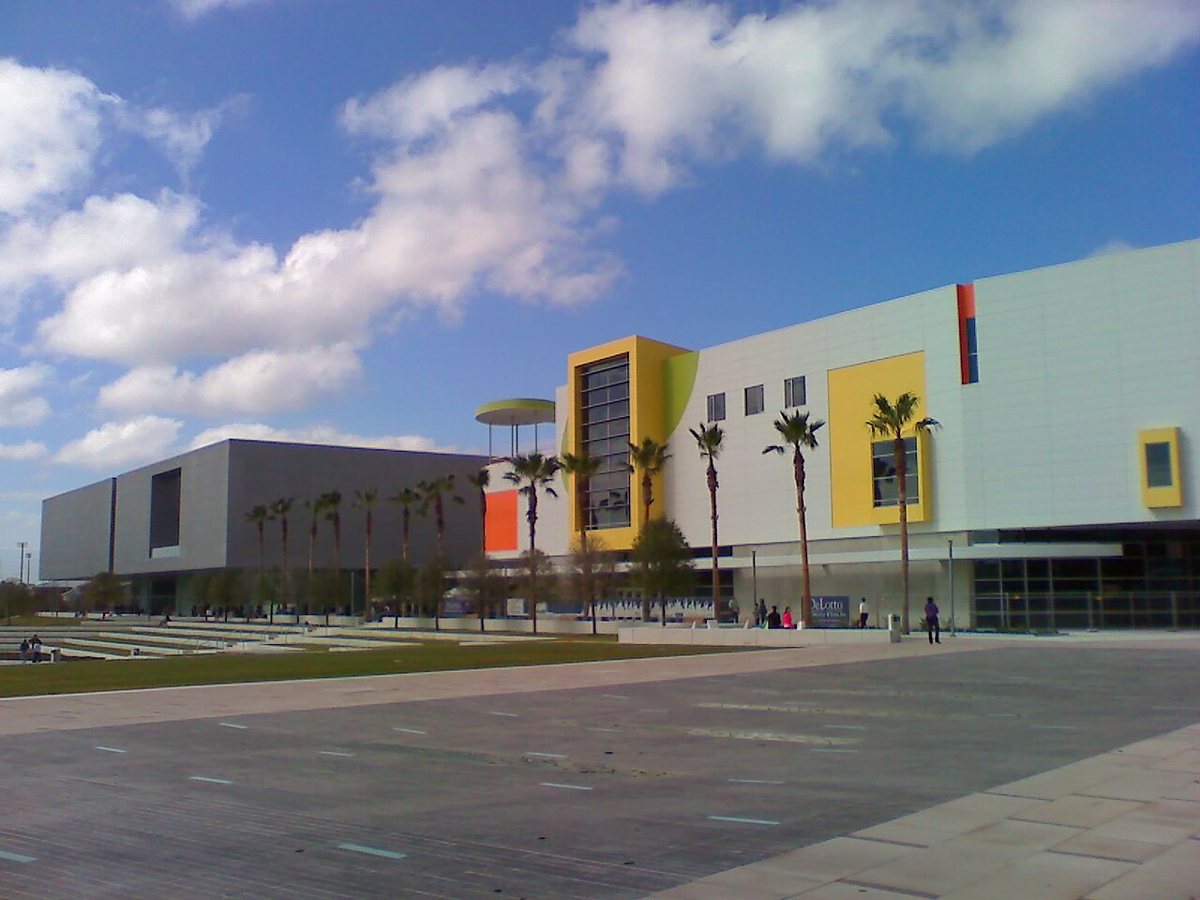
The Tampa Museum of Art occupies a striking cantilevered building right on the river, its facade lit up in changing colors after dark, and its collection runs from ancient Greek and Roman antiquities to rotating contemporary exhibitions that pull in serious traveling shows. It's compact enough to see in an hour or two, which makes it an easy add-on to a Riverwalk afternoon rather than a full commitment, and the rooftop terrace looks straight across the water toward the University of Tampa's minaret-topped towers, one of the more unexpected skylines in the state.

A short stretch of Riverwalk away, the Tampa Bay History Center digs into the parts of the story that don't make the postcards: the Spanish colonial period, the Seminole Wars, the cigar-factory immigration boom that built Ybor City, and the sports history that turned Tampa into a football and hockey town. It's an easy hour indoors, and it does more to explain why the rest of this list exists than any brochure will.
A few blocks upriver, the Straz Center for the Performing Arts anchors Tampa's theater and orchestra scene, hosting Broadway touring productions, the area's resident orchestra, opera, and ballet across several venues under one roof. It isn't flashy the way Amalie Arena is a few blocks south, home to the Tampa Bay Lightning and a steady concert schedule of its own, but between the two of them downtown Tampa covers everything from a hockey game to a symphony without anyone driving across a bridge to get there.

The New Waterfront: Water Street and Julian B. Lane Riverfront Park
South of the museum district, Water Street Tampa represents the most ambitious thing to happen to downtown in a generation, a large mixed-use district built largely from scratch, folding hotels, apartment towers, a medical school, and a walkable grid of restaurants and shops into what used to be surface parking near the Channel District. It's the closest thing Tampa has to a fully planned urban neighborhood, and locals are still deciding how they feel about the glass-and-steel density next to century-old warehouse buildings, but there's no arguing it changed the skyline for good.
Sparkman Wharf sits at the edge of that development on the Channel District waterfront, a low-key collection of shipping-container restaurants, a rotating lineup of local food and drink vendors, a green lawn strung with string lights, and a direct view of cruise ships loading at the Port of Tampa. It's an easy pick for an evening that doesn't require a reservation: grab something from one of the container stalls, find a spot on the lawn, and watch the sun go down behind the skyline.


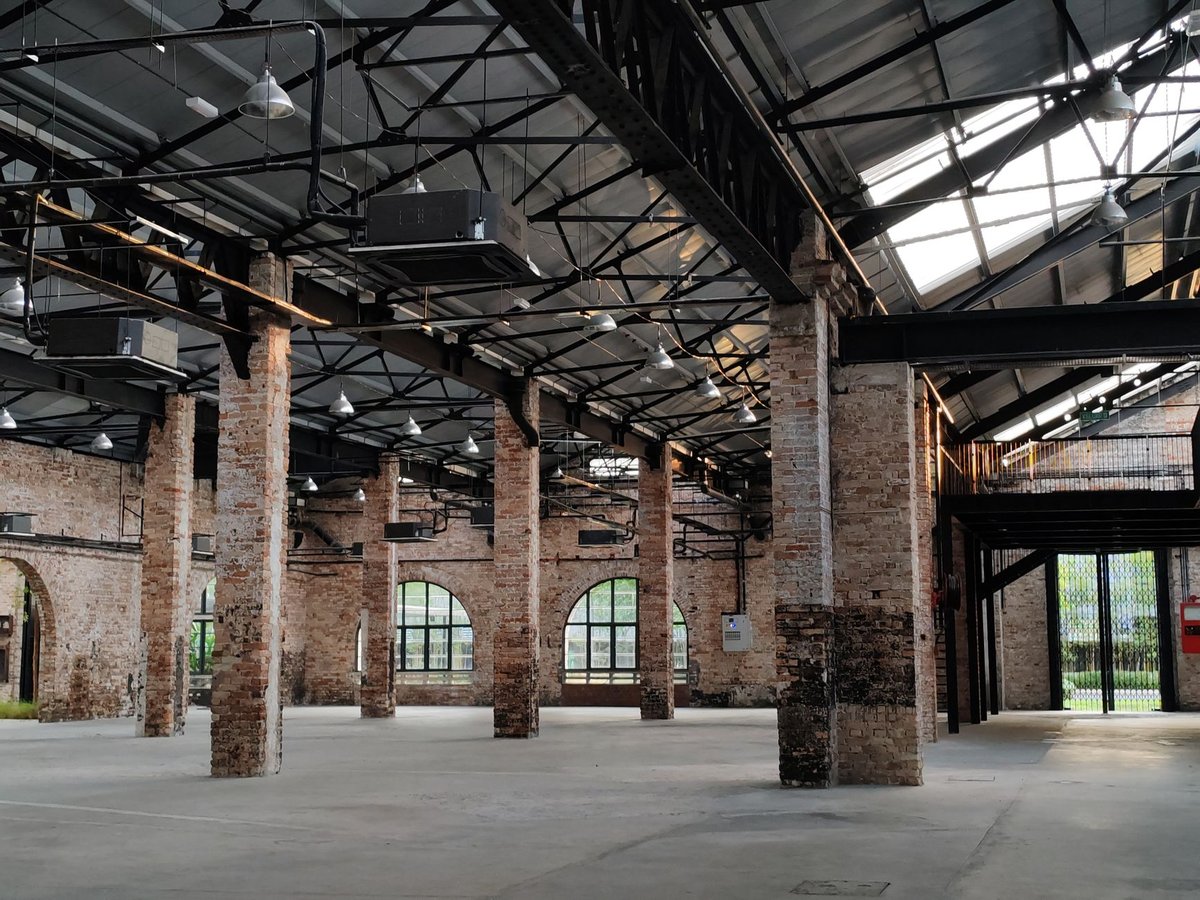
A short ride up the river in Tampa Heights, Armature Works turned a century-old trolley repair facility into the city's most photographed food hall, a soaring industrial space with more than a dozen food and drink stalls, a rooftop bar, and a lawn out back that runs right down to the Riverwalk. Locals treat it as a default answer for where to eat when a group can't agree, since everyone from the vegan to the barbecue purist finds something, and the building itself, all exposed steel trusses and arched windows, is worth the visit even before you order.
Just across the river from Armature Works, Julian B. Lane Riverfront Park gave West Tampa a proper front yard on the water, with a splash pad, a skate-friendly plaza, open event lawns, and a pedestrian bridge that ties directly into the Riverwalk network. It gets a fraction of the tourist traffic that Curtis Hixon does, which is exactly the appeal if you want the same river views without competing for a bench.
Ybor City: Tampa's Latin Soul
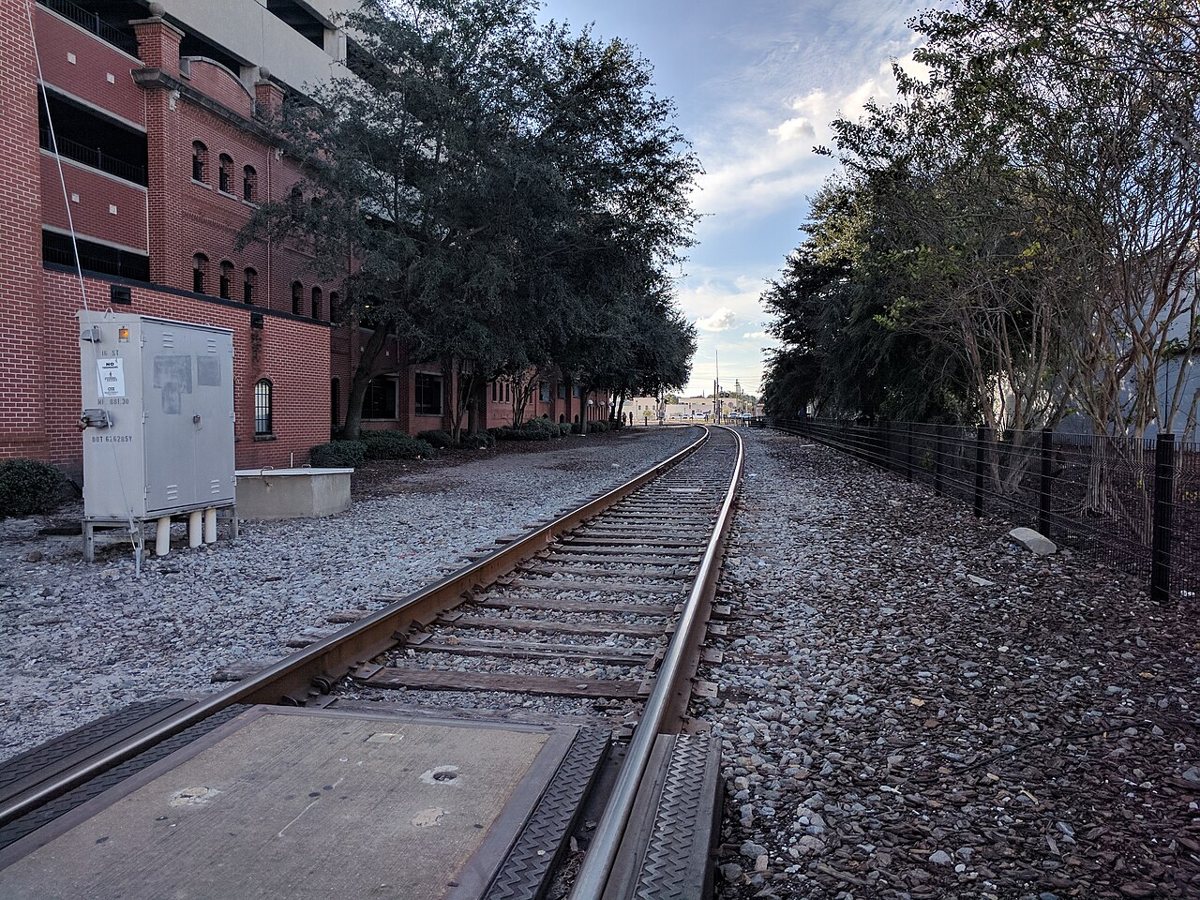
No neighborhood argues against the idea that Tampa is a generic Florida city harder than Ybor City. Founded in the 1880s by cigar magnate Vicente Martinez Ybor, it grew into a genuine melting pot of Cuban, Spanish, Italian, and Afro-Cuban cigar workers, and the brick streets, wrought-iron balconies, and hand-laid trolley tracks of the historic district are original, not rebuilt for tourists. By day it's a National Historic Landmark District where you can tour the Ybor City Museum State Park, browse cigar shops that still hand-roll product in the window, and eat at century-old Spanish and Cuban restaurants around Centro Ybor and Jose Marti Park. By night, 7th Avenue turns into Tampa's densest strip of bars and live music, and it stays unapologetically loud about its Latin roots rather than sanding them down for a broader crowd.

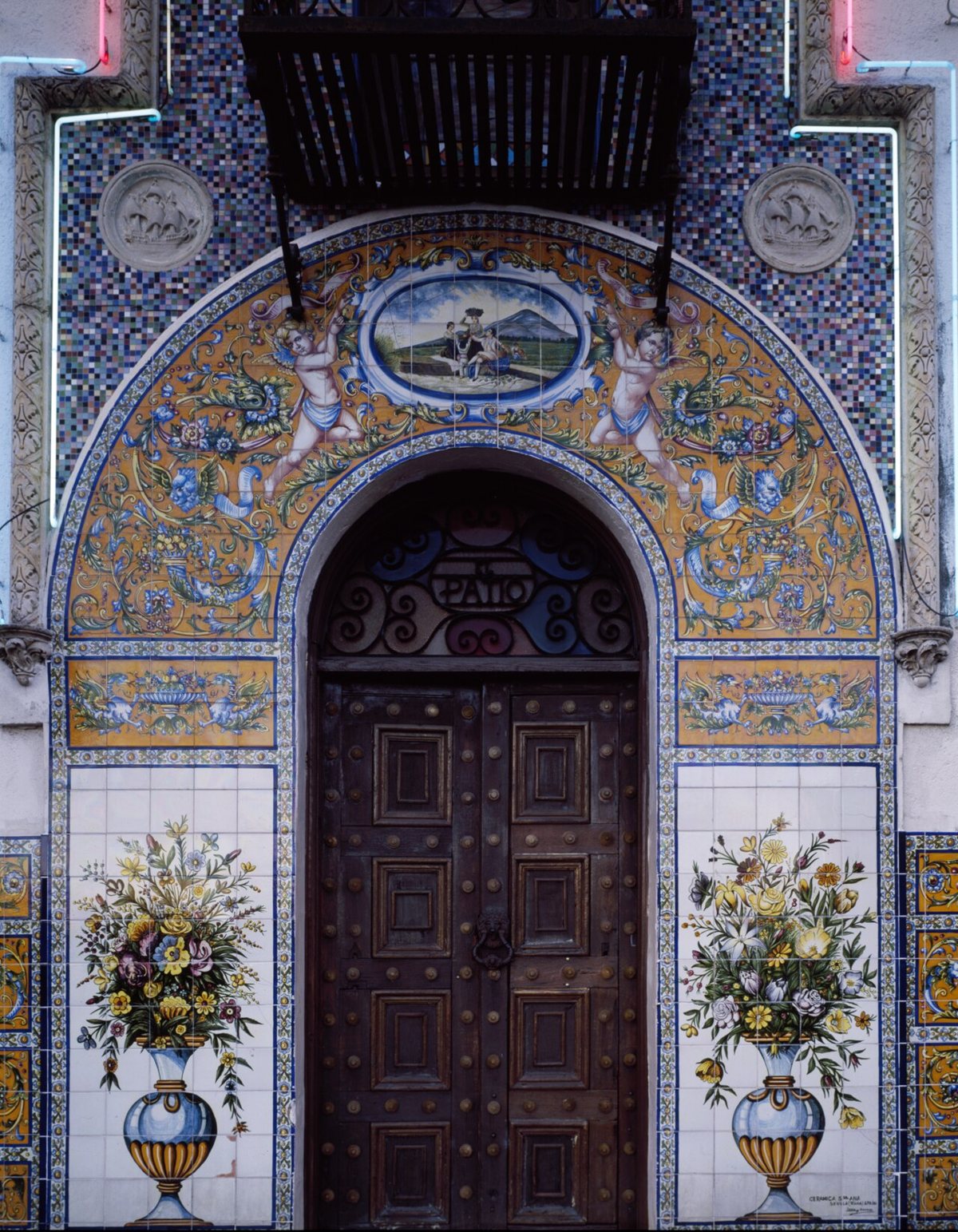
The Columbia Restaurant sits at the center of all of it, founded in 1905 and now the oldest continuously operating restaurant in Florida, still run by descendants of the family that opened it. The dining rooms sprawl across a full city block of tiled courtyards and stained glass, flamenco dancers still perform some nights, and the menu carries the two dishes the restaurant is famous for statewide: the 1905 Salad, tossed tableside since it was invented there, and a Cuban sandwich built on the layered ham, roast pork, and cheese tradition that put Tampa, not Miami, at the center of Florida's Cuban sandwich debate. Eating here isn't a tourist trap concession. It's closer to a civic duty.
For a longer night out, 7th Avenue's cigar bars and late-night clubs fill in fast on weekends, so plan on walking or a rideshare rather than hunting for street parking near the district's brick core.
South Tampa: Bayshore Boulevard and Hyde Park
Bayshore Boulevard runs along Hillsborough Bay for four and a half miles, and the unbroken sidewalk that follows it is the longest continuous stretch of its kind, a fact Tampa residents will bring up unprompted. It's less an attraction than a way of life for the South Tampa neighborhoods it borders: dawn joggers, cyclists doing bay-view intervals, families walking dogs past the mansions on the inland side, and, on a clear day, a straight sightline across the water to downtown's skyline that outdoes most of the photos people take from the Riverwalk itself. There's no admission and no schedule, just a bench whenever you need one and a bay breeze that finally cuts the humidity by early evening.
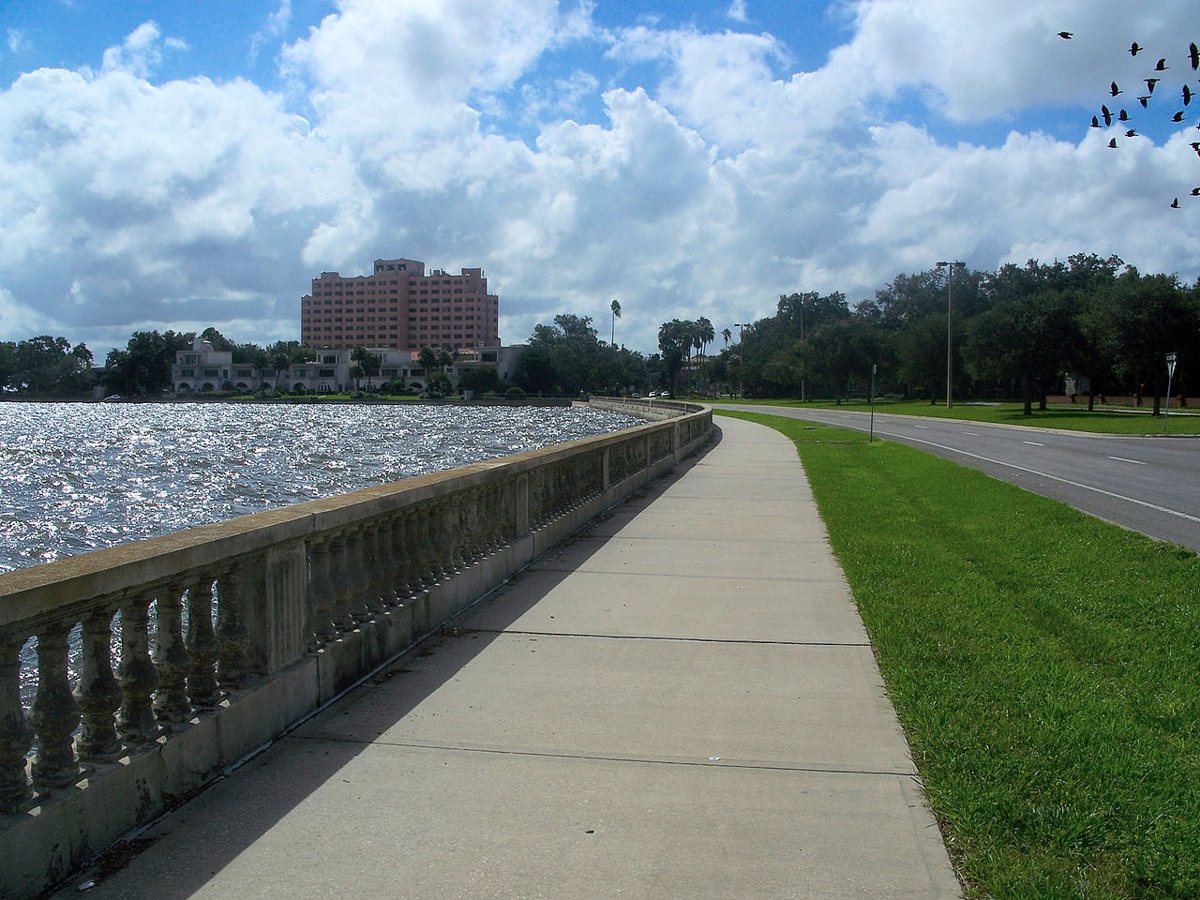

Just inland, Hyde Park is Tampa's oldest streetcar suburb, a grid of brick streets and early-1900s bungalows that has aged into the city's most walkable shopping district. Hyde Park Village mixes national retailers with local boutiques around a central green, and the surrounding blocks hold some of Tampa's best-regarded restaurants, the kind locals actually return to rather than visit once for a review. It's a good counterweight to downtown's newer, shinier energy: the same proximity to the water, decades more patina, and porches instead of balconies. Kennedy Boulevard connects it straight back to downtown in about ten minutes without touching an interstate, which is more than can be said for most of Tampa's other close-in neighborhoods.
Things to Do in Tampa With Kids: The Animal Parks
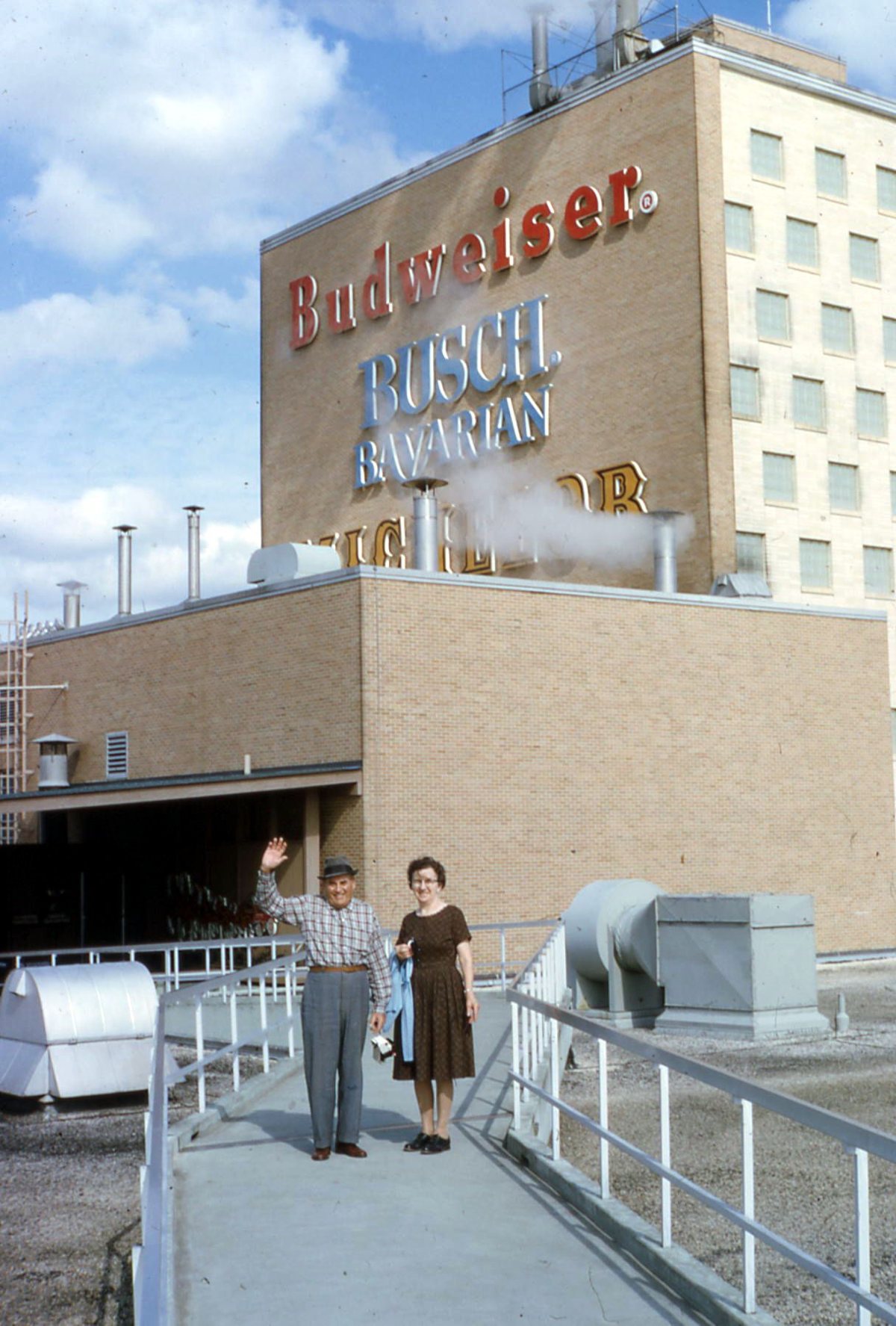
Busch Gardens Tampa Bay combines a full-scale zoo, some of the best roller coasters in the Southeast, and an African-themed landscape across hundreds of acres in the northern part of the city, and it remains the single biggest reason out-of-state families build a Tampa stop into a Florida trip that isn't otherwise about theme parks. Coaster fans chase the park's marquee rides, but the Serengeti Plain, where giraffes, zebras, and antelope roam a savannah you can view from a train or a zip line, is what separates it from anything Orlando offers. It's a full-day commitment, and Tampa humidity is not subtle by early afternoon, so locals go early and leave before the worst heat sets in.

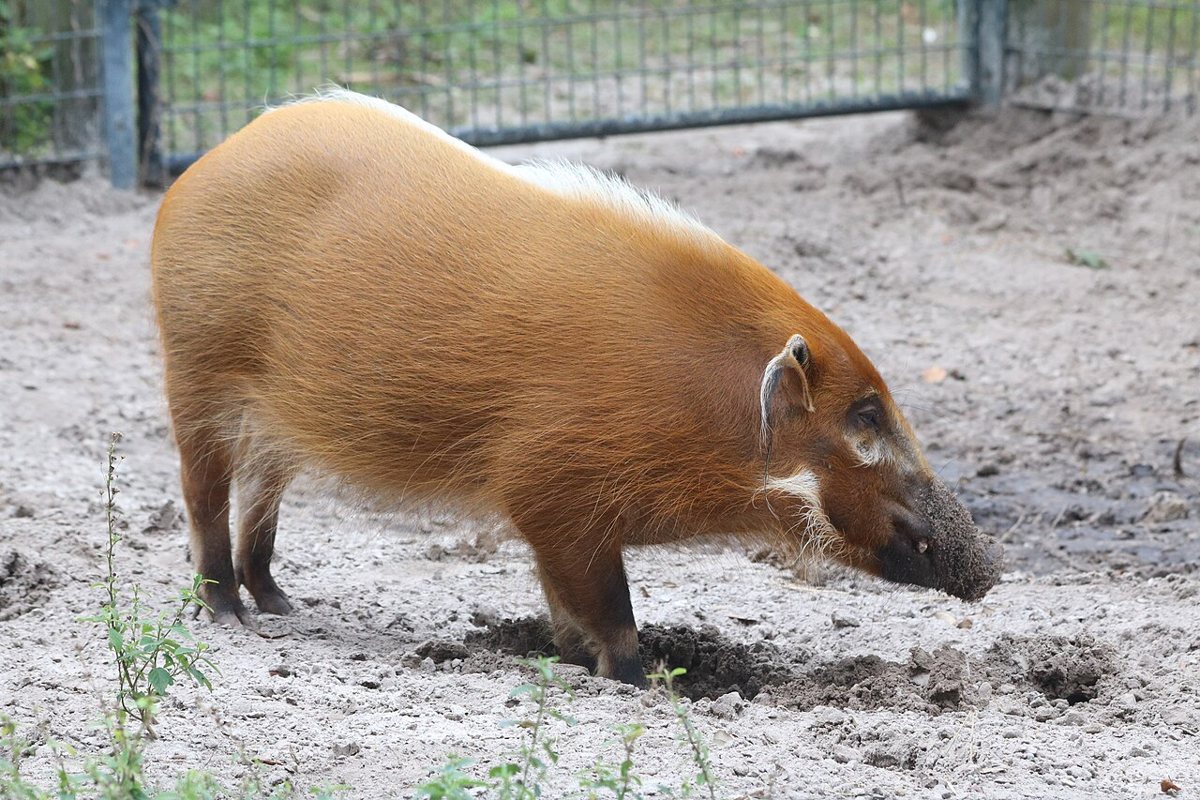
ZooTampa at Lowry Park, on the other side of town along the Hillsborough River, is the more manageable half-day option and consistently ranks among the country's better zoos for conservation work, particularly its manatee rehabilitation program, one of only a handful of critical care centers for injured and orphaned manatees in the state. Between the manatee center, the Florida wildlife exhibits, and a rescued-animal population that includes red pandas and Florida panthers, it manages to feel more like a wildlife hospital with public hours than a traditional zoo, which is exactly the pitch that keeps Tampa parents renewing memberships year after year.

Back downtown on the Channel District waterfront, the Florida Aquarium packs a surprising range of ecosystems into a compact footprint, from a Florida coral reef gallery to a walk-through rainforest to an outdoor splash pad and touch pools that keep younger kids occupied for a solid hour on their own. It also runs behind-the-scenes animal encounters and, seasonally, boat trips out into the bay to spot wild dolphins, and its location means it pairs easily with a Sparkman Wharf dinner or a Riverwalk stroll on the same visit.

Neighborhoods Worth a Slow Walk
Seminole Heights
North of downtown, Seminole Heights is Tampa's bungalow belt, a historic district of Craftsman and Mediterranean Revival homes on oak-canopied streets that spent the last decade turning into the city's most talked-about food and beer corridor. Florida Avenue and Nebraska Avenue carry a run of breweries, coffee roasters, and chef-driven restaurants that opened in what used to be auto shops and package stores, and the neighborhood still throws one of the city's better weekend farmers markets. It got cooler before it got expensive, and mostly the reputation is deserved.
Riverside Heights
Riverside Heights, tucked between Tampa Heights and West Tampa along a bend in the Hillsborough River, is smaller and quieter, mostly known these days as the neighborhood that put Armature Works on the map and for river frontage that's slowly filling in with new townhomes and restaurants. It's worth a stop mainly as an extension of a Riverwalk day rather than a destination on its own.
Channel District
The Channel District, wedged between downtown and the Port of Tampa, is where Sparkman Wharf and much of Water Street Tampa now sit, a former warehouse district turned into the densest new residential pocket in the city. Cruise passengers get their first and last look at Tampa here, and it's an easy walk to the Florida Aquarium and Amalie Arena both.
Pair any of these with a proper crawl through Seminole Heights' brewery row, and you've covered more of the real city than most weekend visitors manage in three times the time.
Practical Tampa: When to Go and How to Get Around
A few things make a Tampa trip run smoother, regardless of the season:
- Summer afternoons bring reliable thunderstorms, usually a fast-moving hour around 3 or 4 p.m., so plan outdoor time on the Riverwalk, at Busch Gardens, or along Bayshore Boulevard for morning and evening, and save museums or the aquarium for the heat of the day.
- Downtown, the Riverwalk, the Channel District, and Ybor City are walkable to each other or a short rideshare apart. A car becomes more useful once the day includes Busch Gardens, ZooTampa, or the South Tampa neighborhoods farther from the water.
- Ybor City's brick streets have limited parking on weekend nights, so budget extra time or plan on rideshare rather than circling for a spot near 7th Avenue.
- Layers help more than sunscreen alone. Restaurants and museums run cold air conditioning against the outside humidity, and the temperature swing between indoors and out catches visitors off guard.
- Winter, roughly December through February, is Tampa's best-kept secret weather-wise: lower humidity, mild temperatures, and none of the predictable afternoon storm pattern that governs summer planning.
- The Tampa Riverwalk connects most of downtown's attractions on foot, so a single pair of comfortable shoes will get you further than any single-day itinerary you plan in advance.
- Gasparilla season brings heavier crowds and tighter parking downtown and along Bayshore Boulevard, so build in extra travel time if a visit lands during those weeks.
- Cruise passengers embarking from the Port of Tampa can usually work in a walk to the Channel District, Sparkman Wharf, and the Florida Aquarium before or after a sailing, which makes a pre-cruise night in Tampa more useful than a rushed morning drive-in.
The Case for Tampa
Tampa spent a long stretch of its history being the place people passed through on the way to somewhere else, an airport code and an interstate exit between Orlando's theme parks and the beaches of Pinellas County. That's no longer an honest description. The Riverwalk alone took decades and several mayors to finish, and it changed how the whole city thinks about its own waterfront. Ybor City never stopped being what it always was, a genuine immigrant neighborhood that predates most of what people associate with Florida tourism by half a century. And the food and beer scene locals keep insisting is underrated actually is, whether or not that claim gets much traction outside the region.
The mistake visitors make is treating Tampa as a one-day layover before the beach. Give it two or three days, split between downtown, Ybor City, and at least one animal park, and the city stops feeling like a stopover and starts feeling like the reason to come to this side of Florida in the first place. Locals have been saying that for years without much outside agreement. It's changing, slowly, mostly because people are finally showing up long enough to see it for themselves. Come for Busch Gardens or the beaches an hour west if that's what got the trip booked, but leave room on the itinerary for a slow lap of the Riverwalk, a plate at the Columbia, and a night in Ybor City that runs later than planned. That's the version of Tampa locals actually live in, and it holds up.