Things to Do in Ybor City Worth Exploring
Beyond the bachelorette-party reputation on 7th Avenue after dark, Ybor City is a National Historic Landmark District with a free streetcar, a 120-year-old restaurant, and cats with more tenure than most City Council members.
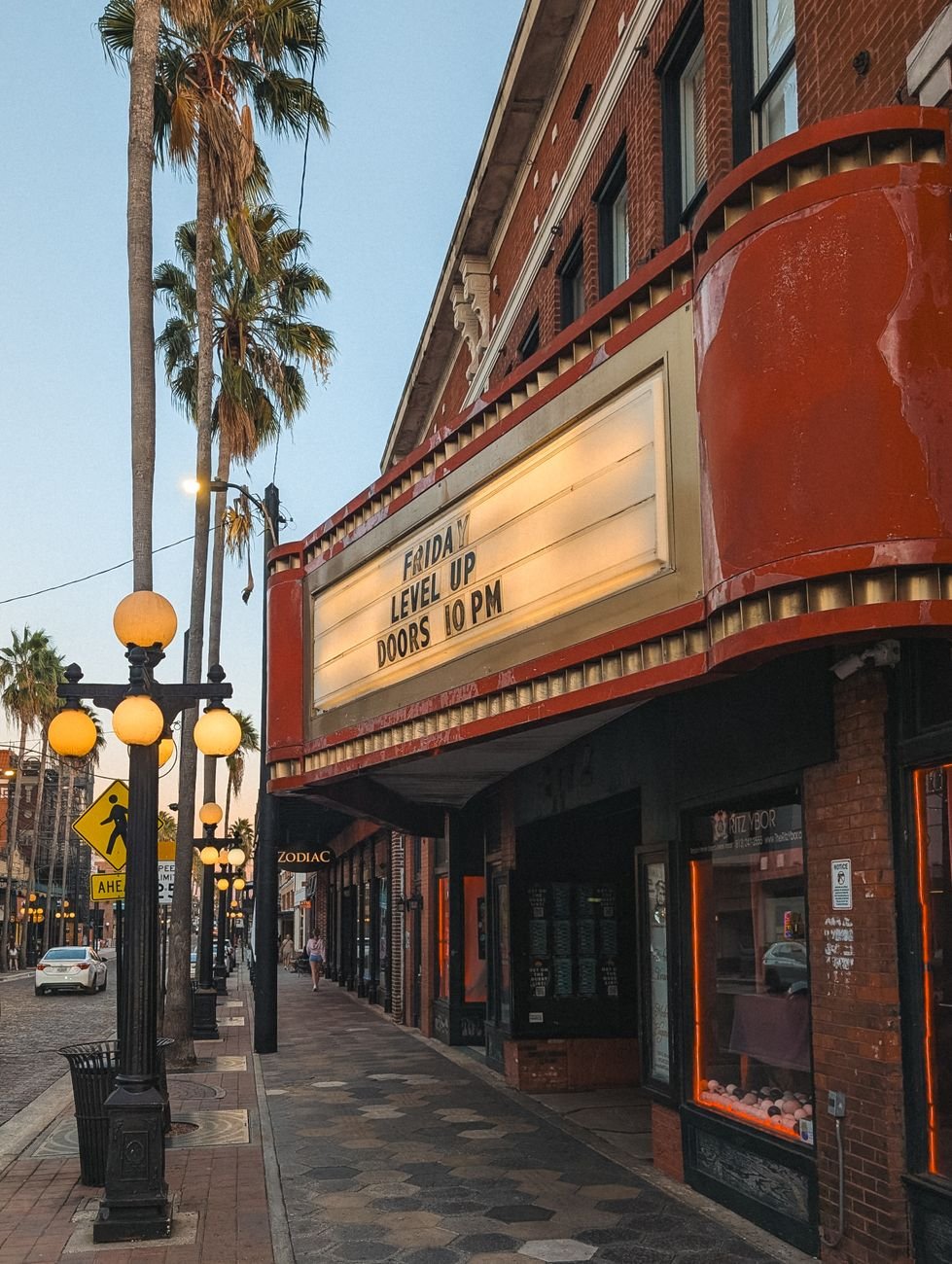
The 9 a.m. sun is already doing work on 7th Avenue, throwing hard shadows off the wrought-iron balconies while a bakery worker in a flour-dusted apron argues good-naturedly with a parking officer about a loading zone that's existed since before either of them was born. A cat with one ear notched from some long-ago scrap stretches out across the warm brick sidewalk in front of a shuttered cigar factory like she's been paid to model for a postcard. It's a Tuesday morning in Ybor City, and the best things to do in Ybor City are already underway, no parade or bar crawl required, just a neighborhood doing what it's done for more than a hundred years. Ask anyone outside Tampa what there is to do here and you'll get 7th Avenue nightlife and maybe a vague mention of cigars. The truth is that the best of them happen mostly in daylight, in brick factories turned into museums, in a Cuban social club with a ballroom nicer than most wedding venues, and on a free streetcar that runs the same rails the cigar rollers once used to get to work.
Things to Do in Ybor City By Day: The Historic Core
Walk 7th Avenue like it's a museum, because it basically is
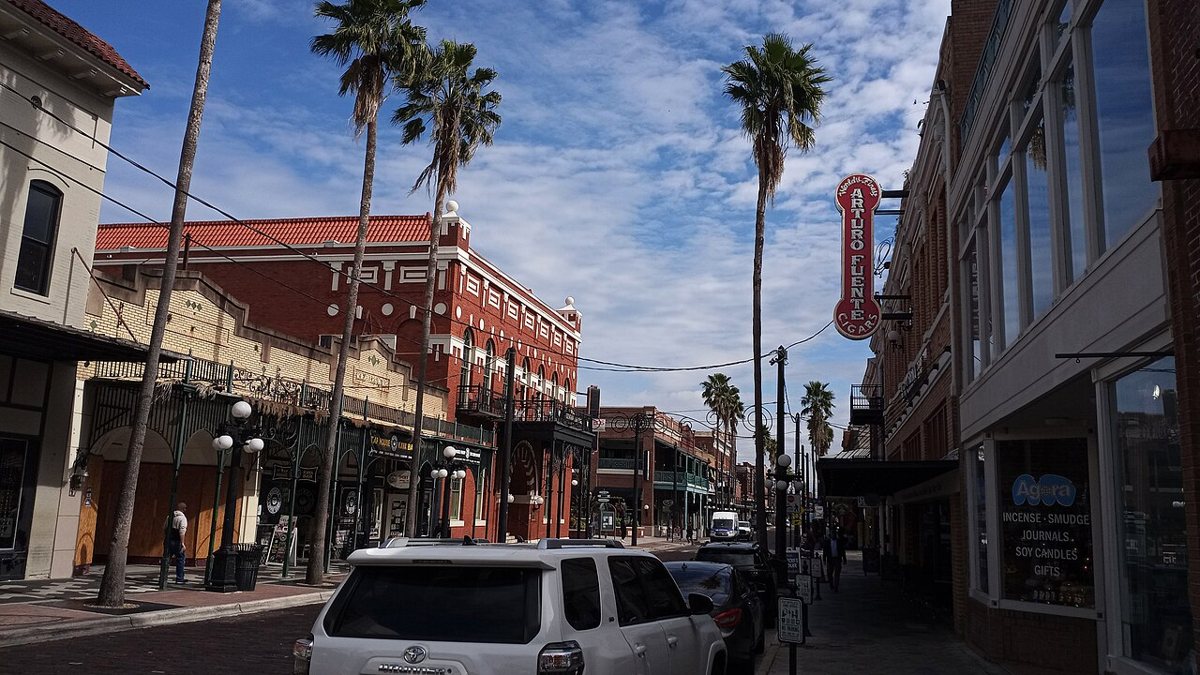
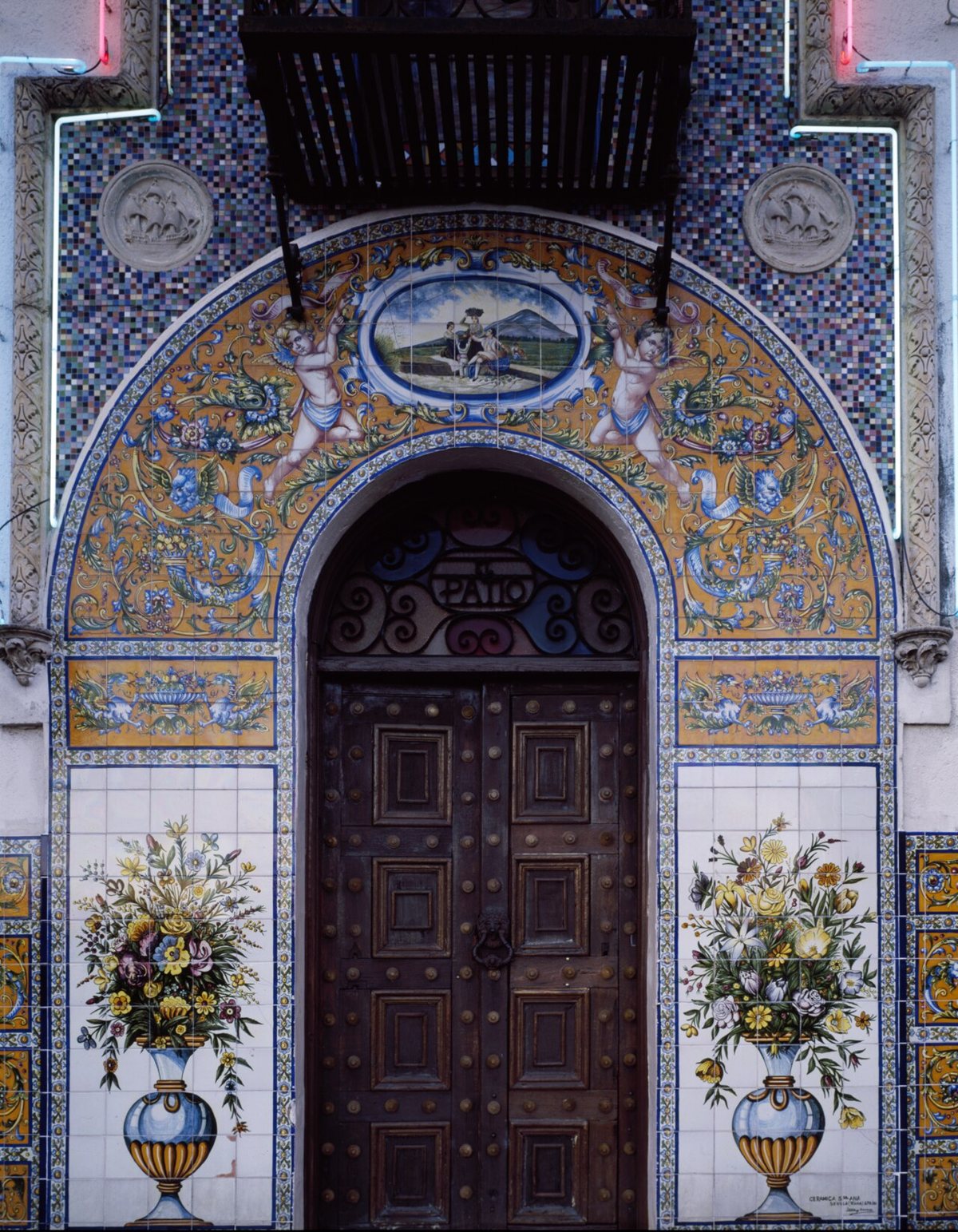
Locals call it La Septima, and daylight is when it actually reveals itself. The wrought-iron balconies, the hand-painted ghost signs on brick facades, the ornate tilework in doorways that used to lead to social clubs and mutual aid societies for immigrant cigar workers from Cuba, Spain, Italy, and Germany. This was among the most ethnically diverse company towns in the country by the early 1900s, built almost entirely around hand-rolled cigars, and the architecture still tells that story if you slow down enough to read it. Walk the full stretch from the Ybor City Museum State Park end down toward Centro Ybor, then walk it back on the opposite sidewalk, because the buildings read differently in each direction. The insider move is timing it for morning or late afternoon, when the light rakes across the brick and the sidewalks aren't clogged with pedicabs. This is South Tampa's opposite in almost every way: dense, worn-in, unapologetically old, and proud of it.

The Columbia Restaurant, because Florida's oldest restaurant is right here
The Columbia opened in 1905 and has been feeding Ybor City continuously since, through Prohibition, hurricanes, the decline of the cigar industry, and every wave of tourists since. It's the oldest restaurant in Florida, full stop, and it still occupies a full city block with tiled courtyards, flamenco dinner shows on select nights, and a dining room that can seat more people at once than most restaurants see in a week. Order the 1905 Salad, tossed tableside with ham, Swiss, olives, and garlic dressing, and don't skip the black bean soup. This is also ground zero for arguing about the city's Cuban sandwich origins, since Tampa's version famously adds salami, a detail that locals treat as a matter of civic honor rather than a footnote, and one worth tracing across the neighborhood's other kitchens. The insider tip is to go for lunch on a weekday rather than a Saturday dinner, when the wait is shorter and you still get the full room. It sits right on 7th Avenue, impossible to miss, columns and awnings and all.
Ybor City Museum State Park, for the version of this history that isn't behind a bar
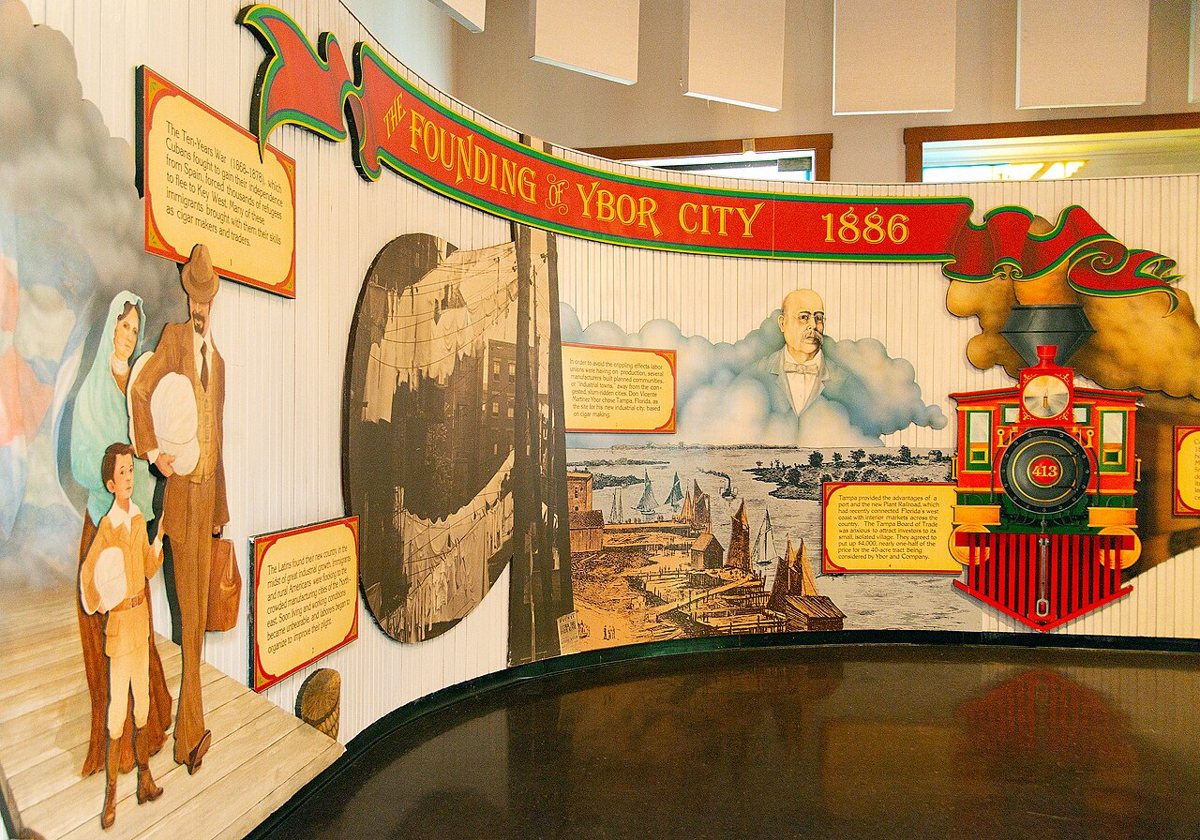
Housed in a restored 1923 bakery building, this small state park does more to explain how Ybor City actually functioned than anything else in the district. Exhibits walk through the cigar factory system, the casita worker cottages, and the immigrant communities who built and ran this place, with real artifacts from the rolling tables and factory floors. Out back, a preserved cluster of cigar workers' cottages gives you a sense of scale for how densely this neighborhood was once packed. It's small enough to see thoroughly in under an hour, which makes it an easy add before or after lunch, and it's usually one of the more affordable stops in the district. The insider tip is to ask a staffer for the short version of the factory-reader tradition, where a person was paid to read newspapers and novels aloud to workers rolling cigars all day. It's the kind of detail that makes the rest of the neighborhood click into place. Located right off 9th Avenue, a short walk from the main 7th Avenue strip.

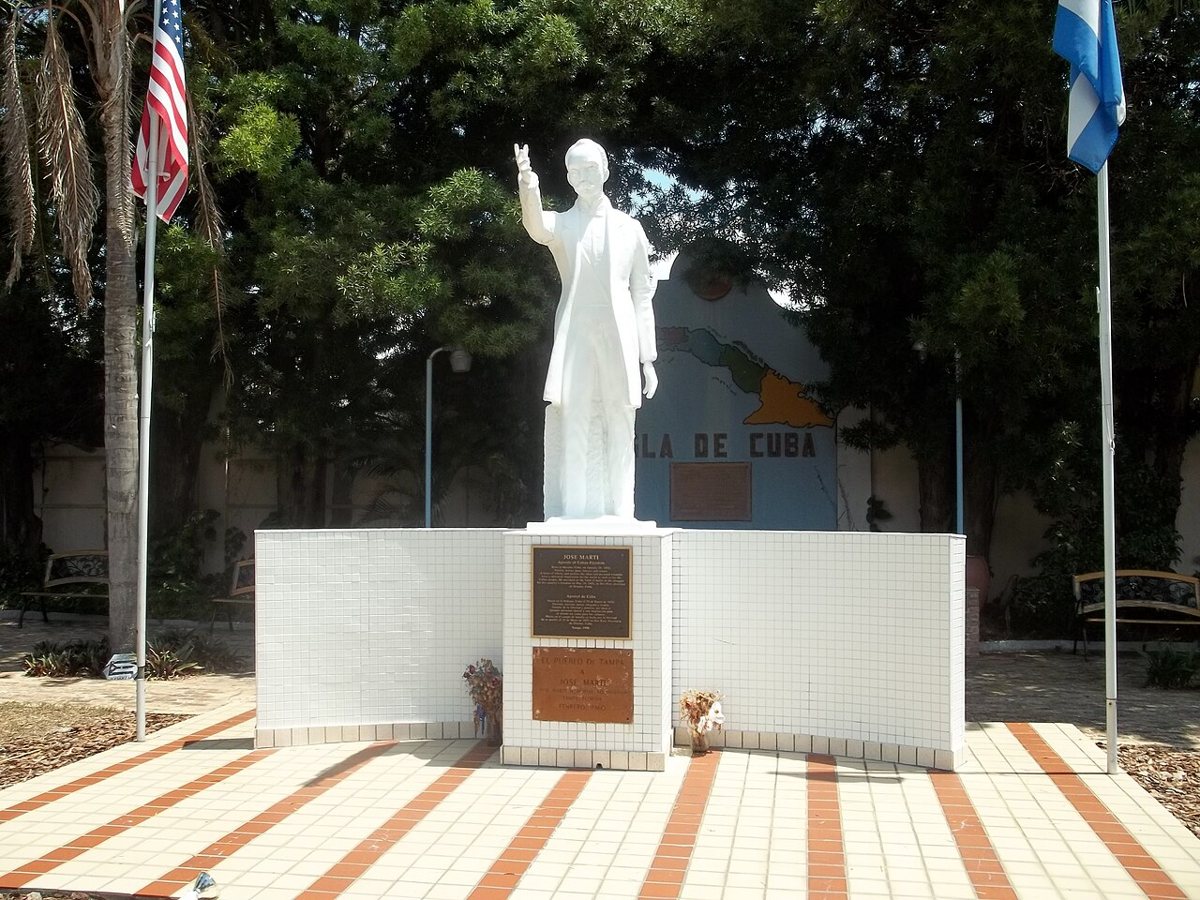
Jose Marti Park, a quiet civic footnote most visitors walk past
This small park honors Cuban patriot Jose Marti, and the land itself carries a genuinely unusual history for a pocket park in the middle of an American city. Marti visited Ybor City multiple times in the 1890s to rally support and raise money for Cuban independence from Spain among the cigar workers here, and the park honors that history with a bust and a handful of plaques rather than anything flashy. It's not a destination on its own, but it's worth five minutes if you're already walking the neighborhood and want a reminder that Ybor's Latin heritage runs a lot deeper than souvenir shops selling guayaberas. Go in the morning when it's quiet and the shade from the older trees is actually useful. It sits a couple of blocks off 7th Avenue, easy to fold into a walking loop.

The Cuban Club, Ybor's grandest surviving social hall
Circulo Cubano, better known as the Cuban Club, opened in 1917 as a mutual aid society for Cuban immigrants, offering health care, education, and community for cigar workers and their families long before anything like a social safety net existed. The building itself is the draw: a full ballroom with a stage, a cantina, a library, and details that make clear this was built to be the social heart of the neighborhood, not a modest meeting hall. It still hosts events and is sometimes open for tours, and even seeing the exterior and lobby gives a sense of how seriously these immigrant communities took building institutions of their own. The insider tip is to check ahead for tour availability or an event you can attend, since access varies and this isn't a walk-in-anytime museum. It anchors a corner a few blocks off the main 7th Avenue strip, near several of the other historic society buildings, including the Italian Club a short walk away.
Ybor's Free (and Nearly Free) Institutions
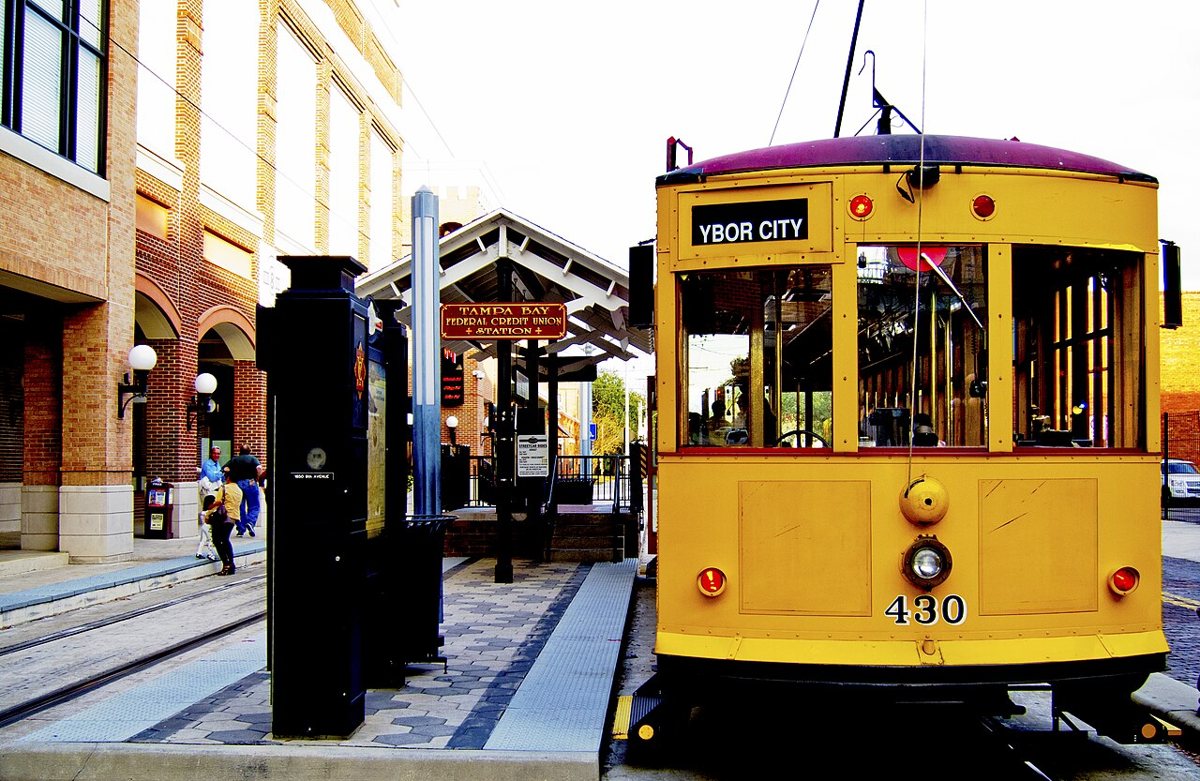
Ride the TECO Line Streetcar, because it's genuinely useful and it's free
The TECO Line Streetcar runs on real rail, in a design modeled after the old trolleys that once carried cigar workers between Ybor City and downtown, and today it connects Ybor to the Channel District, Water Street, and downtown Tampa. Fares have historically been waived through sponsorship, so check current fare status before you board, but even if a small fare applies now, it remains one of the cheapest and most useful ways to string together a day that includes the Riverwalk and Amalie Arena without ever getting in a car. Ride the full line once just for the views of the historic factory buildings and the newer glass towers of Water Street side by side, a pretty honest snapshot of where Tampa is right now. The insider tip is to time a ride for late afternoon, when the light hits the old brick warehouses along the route just right. Board from Centennial Park or any stop along 8th and 9th Avenue.

Say hello to the cats, an actual neighborhood institution
Ybor City's free-roaming cats are not a rumor or a marketing gimmick. Colonies have lived in and around the old cigar factories for generations, managed informally by neighborhood volunteers and a trap-neuter-return program that keeps the population healthy and mostly friendly. You'll spot them sunning on factory stoops, weaving between cafe tables, and generally acting like they hold deeds to the buildings they nap in front of. Locals genuinely like them and get a little defensive if visitors treat them as a nuisance rather than as part of the character of the place. The insider move is simply to look before you sit down at an outdoor table, since a cat has probably already claimed the chair. Don't feed them anything from your plate, no matter how convincing the stare is.
Centennial Park's Saturday Market, for the neighborhood's actual rhythm
On Saturday mornings, Centennial Park fills with a farmers and artisans market that draws both longtime Ybor residents and visitors looking for something other than nightlife. Expect produce stalls, local honey and baked goods, handmade crafts, and usually a food truck or two, all set up in the shade of the park's older trees just off the streetcar line. It's a good barometer for how Ybor functions as an actual neighborhood rather than a nightlife district, with families and dog walkers mixing with vendors who've been showing up for years. Go early, since the good produce and baked goods move fast and the morning heat builds quickly even by Florida standards. The park itself is free to wander any day of the week, market or not, and it's a natural meeting point before heading further down 7th Avenue.

Where Cigars Still Matter
King Corona Cigars, for the industry that built this place
Ybor City was built on hand-rolled cigars, and King Corona is one of the shops on 7th Avenue keeping that tradition visibly alive, with rollers working in view of the front windows and a cigar bar attached where you can actually sit and smoke what you bought. It's less a souvenir shop and more a working link to the industry that gave this neighborhood its name and its wealth in the early 1900s. Ask a roller a question and most of them will happily explain the process, since the whole point of the visible setup is to demonstrate a craft that's mostly disappeared from American manufacturing. The insider tip is to sit at the attached bar with a Cuban coffee or a beer rather than treating it as a quick in-and-out purchase, since the people-watching on 7th Avenue from that vantage point is part of the experience. It sits right on the main strip, easy to spot by the storefront rollers.
The old cigar factory buildings, repurposed but still legible
Scattered through Ybor City are the hulking brick shells of former cigar factories, many now converted into apartments, breweries, offices, or event spaces, but still unmistakably factories if you look at the tall windows and the scale of the structures. At the industry's peak, Ybor City and the neighboring West Tampa produced a meaningful share of all the cigars smoked in the United States, and these buildings are the physical proof of how much labor and capital that took. Walking a few blocks off the main strip, away from 7th Avenue's restaurants, gets you a better sense of just how many of these factories there were and how much of the neighborhood's footprint they still occupy. The insider tip is to look for the small historical plaques mounted on several of the converted buildings, which name the original factory and its cigar brand. It's a quieter, free way to spend twenty minutes that most visitors skip entirely.
Shopping, Baseball, and the Rest of Ybor
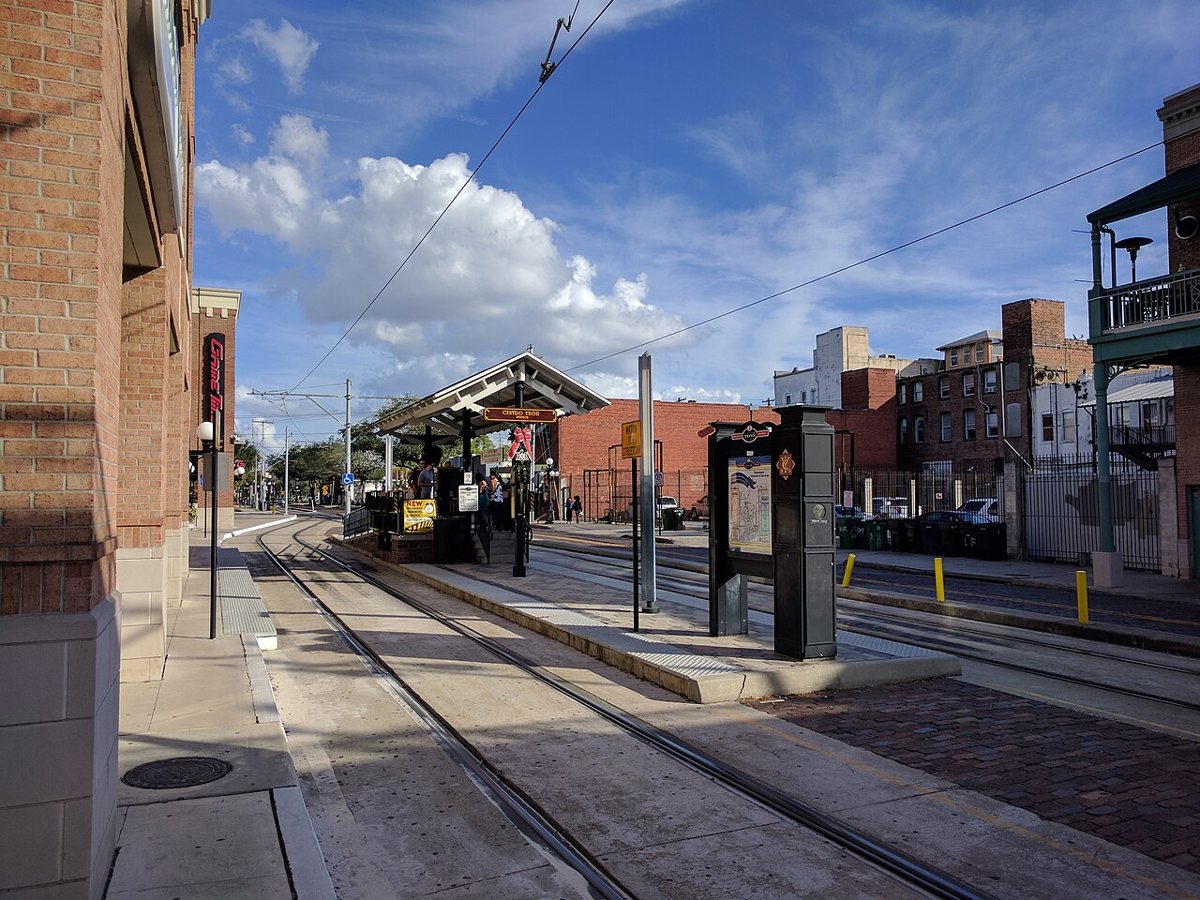
Centro Ybor, the modern anchor at the end of the strip
Centro Ybor is the district's main shopping and entertainment complex, with a movie theater, restaurants, and retail wrapped around a central plaza that also hosts events throughout the year, including Gasparilla-related gatherings when the pirate festival rolls through Tampa. It's a useful landmark for orienting yourself, since it sits at one end of the main 7th Avenue corridor and makes a natural starting or ending point for a walking day in Ybor. It's more modern and less historic than most of what's around it, which is exactly why it works as a palate cleanser between museum stops and old cigar factories. The insider tip is to use its parking as a base if you're driving in, since it tends to be easier to navigate than trying to find street parking deeper in the historic core. From there, everything else in this guide is walkable.

The Tampa Baseball Museum at the Al Lopez House
Tucked into a modest house that belonged to Al Lopez, a Tampa native and Hall of Fame manager who grew up in this neighborhood, the Tampa Baseball Museum traces the deep and often overlooked connection between Ybor City's Latin community and professional baseball. Cigar factory teams and sandlot leagues here produced a surprising number of players who went on to the majors, and the museum lays out that history through photos, artifacts, and Lopez's own memorabilia. It's a small, specific stop, not a full afternoon, but it fills in a piece of Ybor's identity that gets overshadowed by cigars and nightlife. The insider tip is to pair it with the Ybor City Museum State Park, since the two together give a much fuller picture of daily life in this neighborhood across generations. It sits a short walk off the main strip in a genuinely residential-feeling stretch of the district.
Ybor City After Dark
Once the sun goes down, 7th Avenue shifts into the version of Ybor most outsiders already know, with bars, clubs, and live music drawing crowds from all over the Tampa Bay region on weekends. It earns its reputation honestly. The strip gets loud and crowded from Thursday through Saturday night, with a mix of dive bars in converted storefronts, dance clubs, and later-night spots that keep going well past what most neighborhoods would allow. It's worth doing once for the experience, but it's not the whole story, and treating it as the only reason to come to Ybor misses the museums, the social clubs, and the cigar shops that give the district its actual depth during daylight hours. If a loud Saturday night isn't your speed, Ybor still has quieter cocktail bars tucked into historic storefronts that lean into the neighborhood's history rather than away from it, and several spots pour from Tampa's craft beer scene alongside the usual bar standards, part of Ybor's after-dark scene. The insider move is to do history and food during the day, then decide separately whether the nightlife is your speed, rather than trying to cram both into one long visit.
The Practical Stuff: Getting Around, Timing It Right, What's Free
- Park once and walk. Ybor City's historic core is compact enough to cover almost entirely on foot, and street parking gets tight fast, especially on weekend nights. Centro Ybor's garage is usually the easiest fallback.
- The TECO Line Streetcar connects Ybor to downtown, the Channel District, and Water Street, and it's a genuinely practical way to extend a day trip without moving your car. Check current fare status before boarding.
- Mornings and weekday afternoons are best for the museums, the Cuban Club, and a calm walk down 7th Avenue. Evenings and weekends are for nightlife and the Saturday market.
- Summer heat is real and unshaded brick sidewalks hold it. Late morning or early evening beats the middle of a July afternoon every time.
- Free or nearly free: Jose Marti Park, walking 7th Avenue itself, the cigar factory building exteriors, Centennial Park any day of the week, and usually the streetcar.
- Paid but worth it: Ybor City Museum State Park, the Tampa Baseball Museum, a meal at the Columbia, and a cigar from one of the shops on the strip.
- Check current hours before you go, since state parks, small museums, and social clubs all keep their own schedules and none of them are open every single day.
What gets lost in the jokes about bachelorette weekends is that Ybor City is one of only a handful of neighborhoods in the country that still wears its immigrant industrial history on its sleeve this openly. The brick isn't decorative. It's original, and it was laid by people who built social clubs with libraries and health clinics before they had much else, because they understood that a company town needed institutions of its own or it wasn't really a community. Tampa spends a lot of energy these days worrying about how it stacks up against other cities, but Ybor City doesn't need to make that comparison at all. There's nothing quite like it anywhere else in Florida, cigar factories and Cuban ballrooms and a free streetcar and a colony of well-fed cats, all still doing their thing on a Tuesday morning when nobody's watching.