Where to Eat in Ybor City, Tried and Tested
Ybor City's restaurant scene runs deeper than the tourist strip. Here's how to eat well in Tampa's most historically layered neighborhood.
On a Thursday afternoon in Ybor City, the cigar rollers are long gone but the smell of bread from a Cuban bakery still cuts through the humidity on Seventh Avenue. A rooster, one of the feral ones the city has basically given up trying to remove, picks at something near the brick-paved curb outside a shuttered storefront. Two blocks east, the lunch crowd at the Columbia Restaurant spills onto the sidewalk. This is where to eat in Ybor City if you want the whole picture: a neighborhood that is simultaneously a historic district, a weekend nightlife corridor, a gentrifying residential pocket, and the birthplace of Tampa's most fiercely defended culinary identity.
Most visitors arrive on a Friday night and walk Seventh Avenue looking for neon. That is not the wrong move. The nightlife energy here is real and it belongs to Ybor specifically, not to downtown or South Tampa. But if eating is the priority, the calculus changes. The best experiences in this neighborhood reward people who show up before dark, who know what Tampa's Cuban sandwich actually contains, and who are willing to step off the main drag.
Where to Eat in Ybor City: Start with the Fundamentals
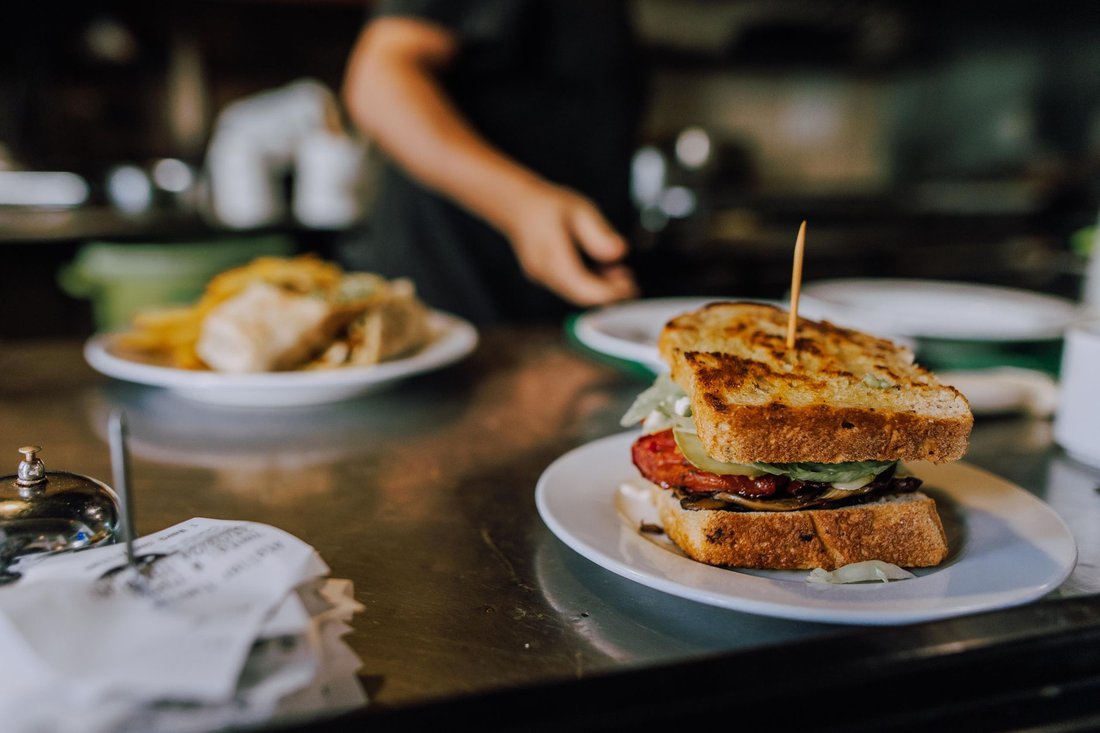
The Cuban sandwich is the right beginning and the right argument. Tampa's version carries salami, a layer added by the Italian immigrant workers who came to roll cigars alongside Cuban and Spanish laborers in the late 1800s. That detail is not trivia. It is the difference between the Tampa Cuban and the Miami Cuban, and locals will tell you, with total sincerity, that it makes the Miami version incomplete. The bread matters too. Cuban bread baked in Tampa has a palmetto leaf scored into the top crust, a tradition that produces a specific crunch when the sandwich is pressed. Look for that crust. Look for the salami layer. If a place is skipping either one, you are not eating a Tampa Cuban sandwich, and that distinction matters here as much as the neighborhood's old-school Italian kitchens do.
The Columbia Restaurant on Seventh Avenue is the unavoidable institution. It has been open since 1905, which makes it the oldest restaurant in Florida, and that longevity is not coasting on reputation alone. The dining rooms are theatrical, with flamenco shows on some evenings and a tiled interior that feels transported from Seville, but the food holds up. The 1905 salad is prepared tableside from a recipe the restaurant has published openly for decades: romaine, olives, capers, Worcestershire, lemon, a raw egg. Order it. The Cuban sandwich here is worth the comparison baseline even if you plan to eat three more elsewhere during your visit.
Reading the Room on Seventh Avenue
Seventh Avenue itself runs about half a mile through the historic district core, and the quality of food along it varies sharply. Some spots exist to absorb the nightlife crowd and price accordingly. Others have been feeding the neighborhood's working residents for years. The distinction is usually visible before you look at a menu. Spots with long hours, a Spanish-language option on the menu board, and regulars who know the counter staff by name tend to be the ones worth sitting down in. Tourist-facing signage, aggressive happy hour boards, and televisions locked to sports are not disqualifying, but they are information.
The deviled crab, croqueta de jaiba in its Cuban-Floridian form, is the other Ybor signature worth tracking down. It is a hand-formed crab fritter, slightly oblong, fried dark on the outside and yielding inside, traditionally made spicy enough to require a cold drink nearby. The technique came from the Cuban community and stayed. It is not a bar snack dressed up for tourists. When it's made correctly it is a serious piece of food, and Ybor is the right place to eat it. Tampa's broader dining traditions trace directly back to this neighborhood's immigrant workforce, and the deviled crab is the most direct line still on menus.
Breakfast and Lunch, Which Is Where Ybor Earns It
The neighborhood before noon is a different city. The bars are closed, the brick streets are quieter, and the bakeries and lunch counters that serve the people who actually live and work nearby are doing their best work. Cuban coffee, a café con leche or a cortadito, is the right start. The bread that comes with it, sliced and buttered, is not an afterthought.
For lunch, the key question is what the kitchen is making from scratch that day. In Ybor's older establishments, soups and daily specials often reflect whatever was fresh and cheap at the market. Black bean soup, ropa vieja, picadillo: these are the dishes that reflect the neighborhood's actual culinary heritage rather than its current identity as a destination. Ask what the daily special is before you order from the printed menu. The answer will tell you whether the kitchen is cooking or just assembling.
A Few Honest Principles
- Eat lunch, not just dinner. The neighborhood's Cuban and Spanish cooking traditions are daytime food at their core, and the best value and the freshest preparation tend to come before 3 p.m.
- Walk one block off Seventh Avenue in either direction before committing to a table. The rents are lower on the side streets and the rooms are calmer.
- Order the deviled crab as a first course, not a side. It is a main-event item pretending to be a snack.
- If a Cuban sandwich comes without salami, send it back or go somewhere else. This is not being difficult. This is knowing what you ordered.
- The Columbia is worth the wait. Go for lunch on a weekday if you can. The 1905 salad alone justifies it.
Ybor City is doing something most American historic districts fail at: it is still a functional neighborhood with real residents and a food culture that predates the tourism economy by about a century. The trick is eating like you belong there, which means slowing down, ordering the things that require actual technique, and not mistaking the nightlife corridor for the whole picture. Come hungry before sundown and the neighborhood will make sense in a way that a Friday-night bar crawl simply cannot.