Best Parks in Tampa for 2026
From a downtown splash pad to a spring-fed swimming hole forty minutes north, this is the honest map of where Tampa actually spends its time outside.
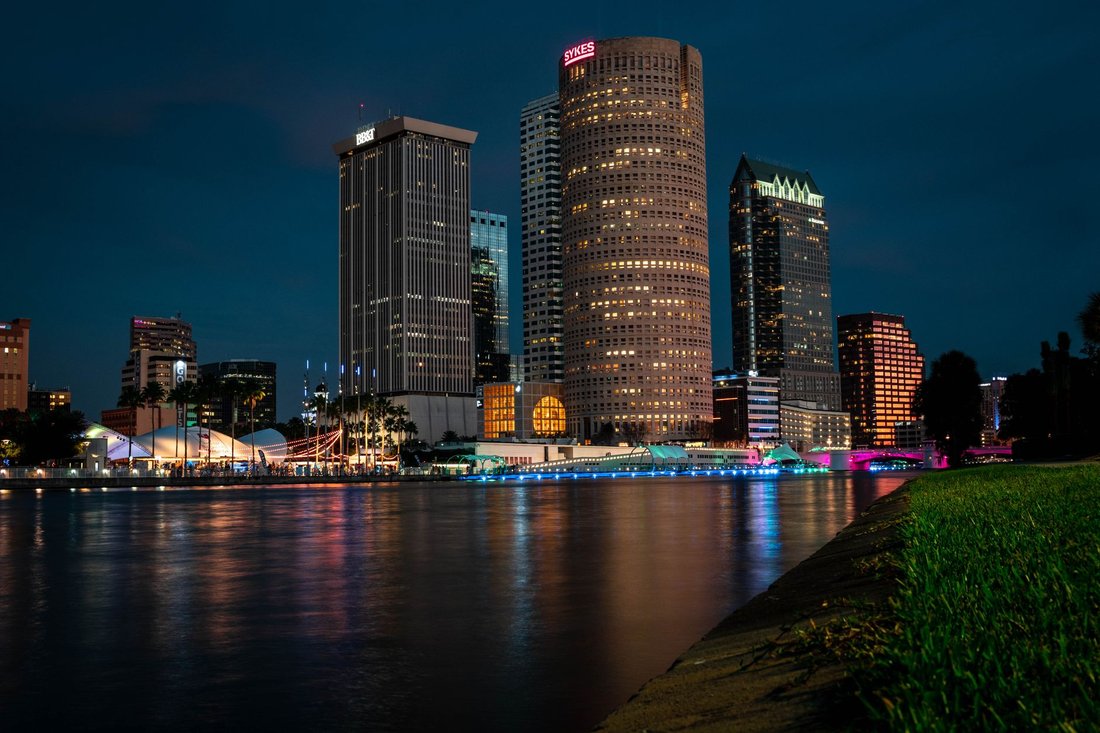
On a humid Saturday morning at Curtis Hixon Waterfront Park, the splash pad is already running before nine, a row of strollers parked in the shade of the pavilion while joggers thread past on the Riverwalk and a couple of paddleboarders drift by beneath the University of Tampa's silver minarets. This is downtown Tampa doing what it does best, turning a working river into public space people actually use. Ask five different Tampa residents to name the best parks in Tampa and you will get five different answers, because this city's park system runs from a splash pad in the shadow of downtown high-rises to spring-fed swimming holes well north of the city line, from a bay-front fishing pier to a boardwalk where the alligators are close enough to remind you Florida is still Florida underneath the condos. Tampa is not a beach town the way St. Petersburg or Clearwater are. Tampa is a river city with a working port and a Cuban and Spanish immigrant history baked into Ybor City a couple of miles east, and its parks follow the water and the rail lines more than any stretch of sand. What follows is a working list, organized by what is actually near you and what kind of day you are having. And it is a longer list than most guides admit, because this city's food and craft beer reputation gets argued over constantly against Miami and Orlando, while its parks rarely get the same defense even though they make the stronger case.
The Best Parks in Tampa, By Neighborhood and Mood
Tampa does not have one park that does everything. It has a system that adds up to everything, spread across a city that is bigger and more spread out than its downtown skyline suggests. Some of these parks are a five-minute walk from a hotel bar downtown. Others require getting on I-75 and committing to a whole afternoon. Group them by geography and the day plans itself.
Downtown and the Riverwalk
The parks along the Hillsborough River in and around downtown are the ones out-of-towners see first, and they hold up. The stretch is walkable, mostly shaded by late afternoon, and connected end to end by the Riverwalk itself.
Curtis Hixon Waterfront Park
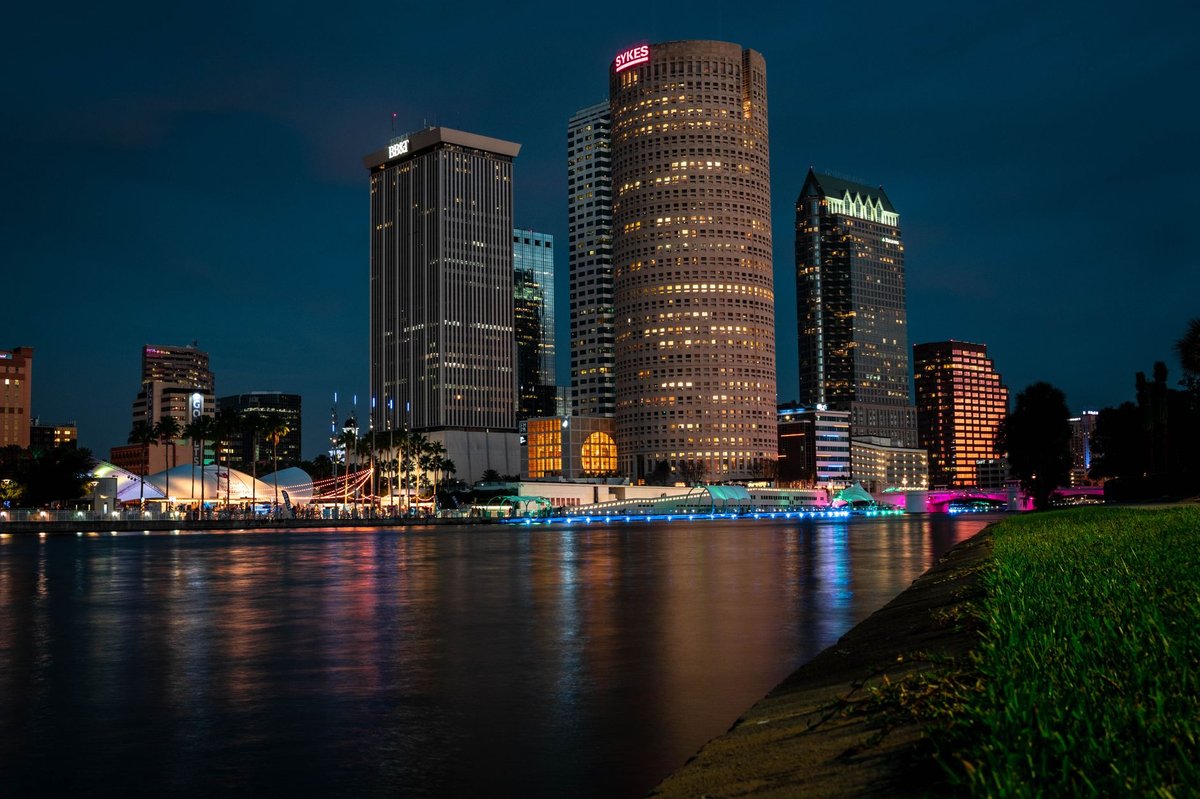
Curtis Hixon is the city's front lawn. It sits directly on the river across from the University of Tampa, with an open lawn big enough for a concert crowd, a splash pad that runs most of the year, and a paved plaza that turns into a farmers market or festival grounds depending on the weekend. The Tampa Museum of Art and the Glazer Children's Museum both sit at its edges, so a stroller crowd and an art crowd share the same grass without much friction. The insider move is to come at golden hour, when the office towers catch the light and the splash pad crowd has thinned out. It is downtown, so expect metered street parking or a nearby garage rather than a dedicated lot. Locals who remember what this stretch of riverfront looked like before the park went in still bring it up unprompted, which tells you something about how much the investment mattered to the city's sense of itself.

Tampa Riverwalk
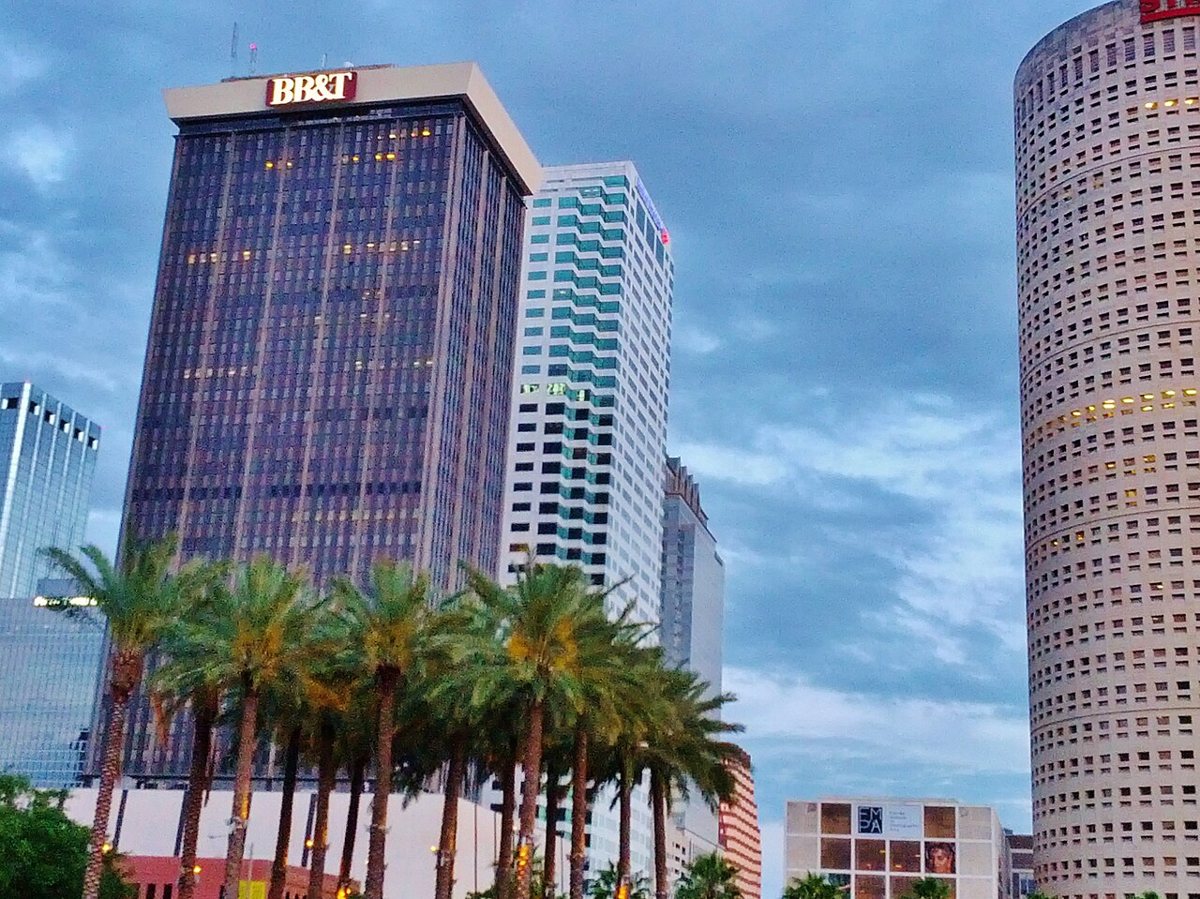
The Riverwalk is less a single park than the connective tissue that makes the rest of downtown's green space work. It runs along both banks of the Hillsborough River, linking Curtis Hixon to the Tampa Convention Center, Sparkman Wharf, the Tampa Bay History Center, and Water Works Park to the north, with public art, fountains, and river overlooks along the way. Walk the whole thing on a weekday evening and you get a slideshow of what Tampa is proud of: the skyline, the cruise terminal, the old cigar warehouses converted into offices. Bikes and pedicabs share the path with runners, so keep to the right. It is flat, shaded in patches, and free the entire way. The full connection took years of piecemeal construction linking old rail yards, warehouses, and industrial riverfront into one continuous path, and the seams still show if you know where to look, which is part of what makes it feel earned rather than dropped in overnight.

Water Works Park
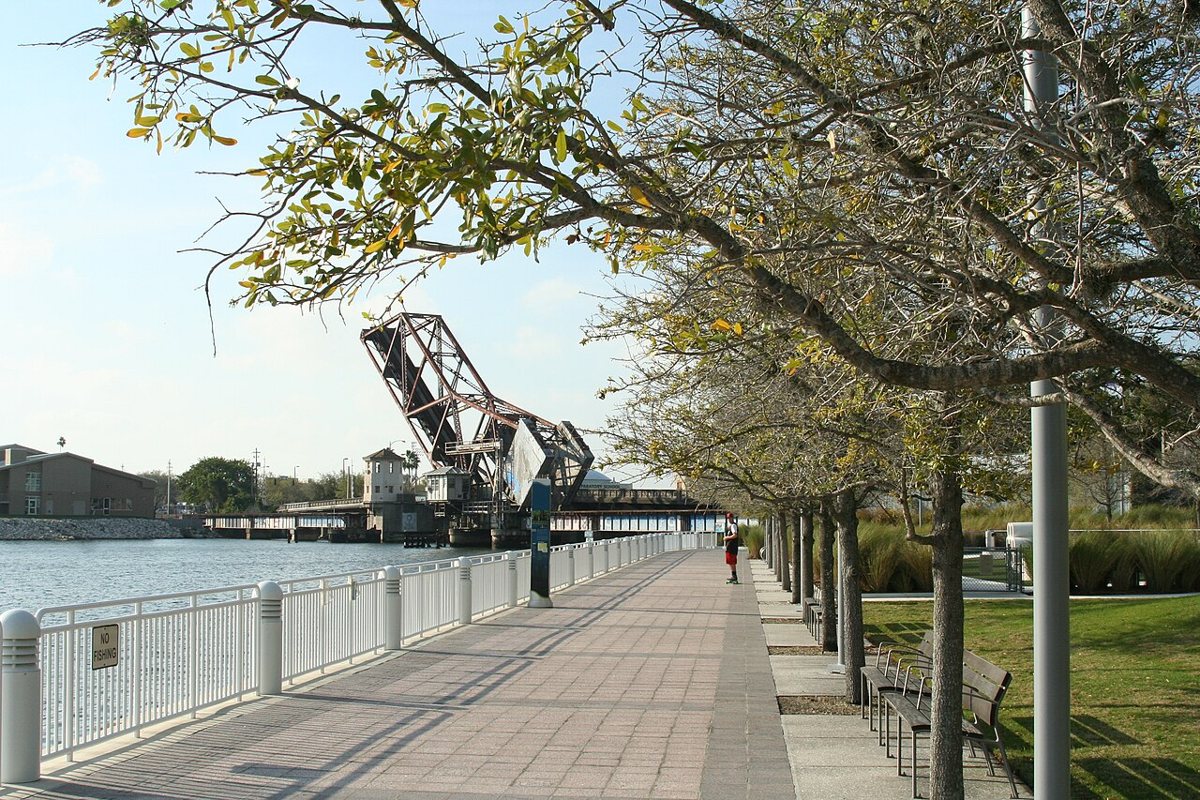
North of downtown in Tampa Heights, Water Works Park occupies the site of the city's old municipal water plant, and the restored fountain and formal lawn still carry that civic, slightly formal feel. It anchors the northern end of the Riverwalk and sits next to Armature Works, the converted trolley barn that turned this stretch of Tampa Heights into a genuine neighborhood destination rather than a pass-through. Bring a blanket for the lawn, let kids run around the fountain, and watch the kayak and paddleboard traffic on the river below. Dogs are welcome on leash, which makes it one of the better people-and-pet parks close to downtown. Street parking is limited, but there is a garage attached to the food hall next door. This corner of Tampa Heights is also where the city's craft beer scene shows up most visibly, with taprooms within walking distance of the lawn, so a park visit here doubles easily as a low-key evening out.

Julian B. Lane Riverfront Park
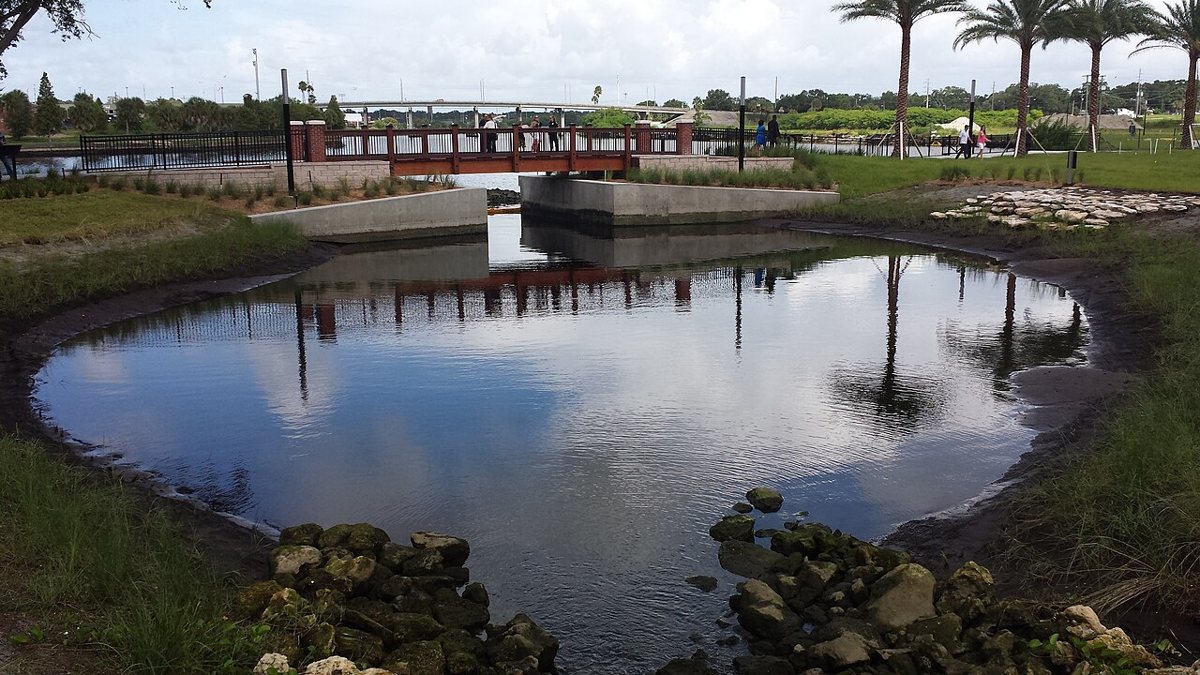
On the west bank, directly across the river from downtown, this West River park is the newer, more athletic sibling to Curtis Hixon. It has a large sloped lawn used for outdoor concerts and movie nights, a splash pad, a playground, and a dock for kayak and paddleboard launches. Because it sits on the west side of the West River redevelopment area, it also gives a different, less postcard-perfect view back toward downtown, which locals tend to prefer for photos precisely because it is less staged. Go at sunset for the skyline reflected in the water and stay for whatever is happening on the lawn, since the park hosts programming through much of the year. It is also one of the better entry points if you are launching a kayak for a paddle down toward Curtis Hixon and the convention center, since the current here is mild and the route stays close to shore the whole way.
Riverfront Parks Upstream
Follow the Hillsborough River north out of downtown and the character of the parks changes fast, from manicured civic lawns to cypress swamp and spring water. This is the Tampa most tourists never see, and it is the strongest counter to any idea that this city is all pavement.
Lettuce Lake Park
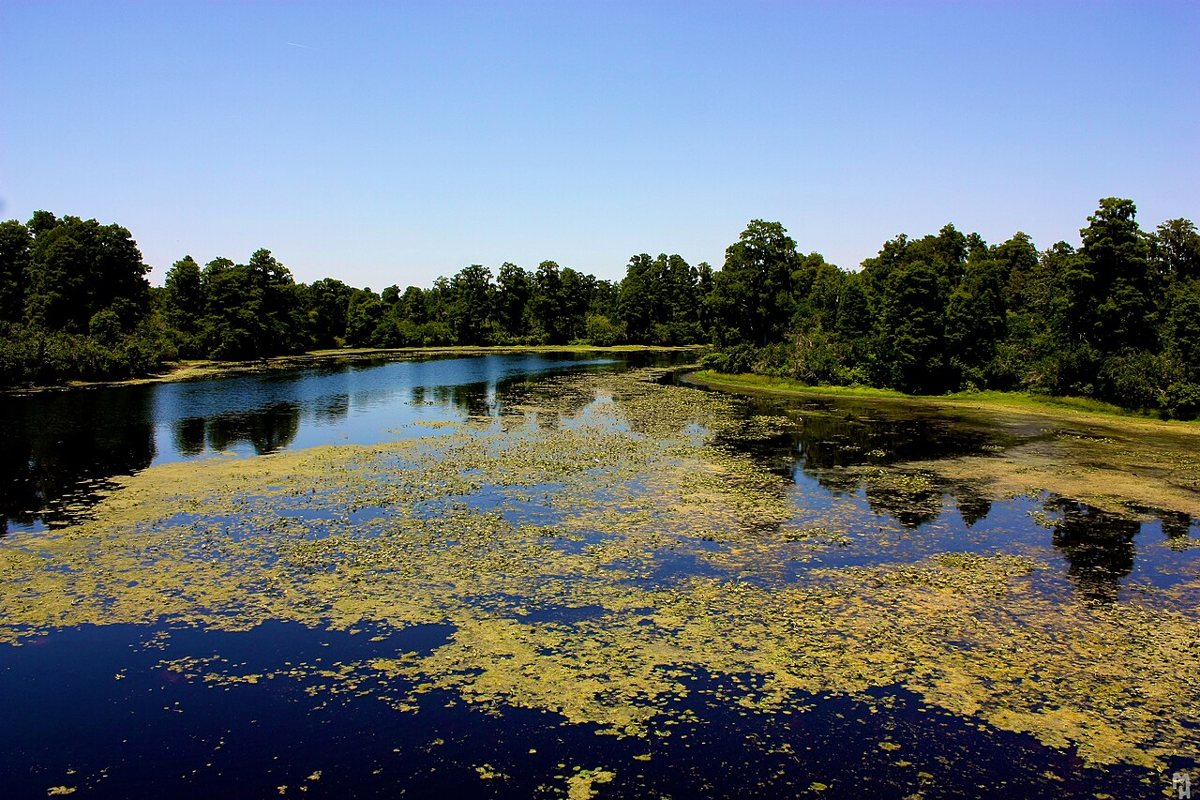
Lettuce Lake, near the University of South Florida, is Hillsborough County's best-known nature park, built around a wide, slow bend of the Hillsborough River. A long boardwalk winds through cypress swamp to an observation tower with a view over the treeline, and a separate paved trail loops through pine flatwoods for runners and cyclists. There is a canoe and kayak launch if you want to get on the water instead of just looking at it, and a fishing pier at the boat launch area. Alligators live in this river system, as they do throughout Florida, so keep dogs and small kids back from the water's edge rather than expecting a specific sighting. Come early on a weekend morning, before the lot fills and the heat sets in. There is also a small nature center near the entrance with exhibits on the river's ecosystem, a decent stop if you have kids along and want the boardwalk walk to mean more than a stroll.

Hillsborough River State Park
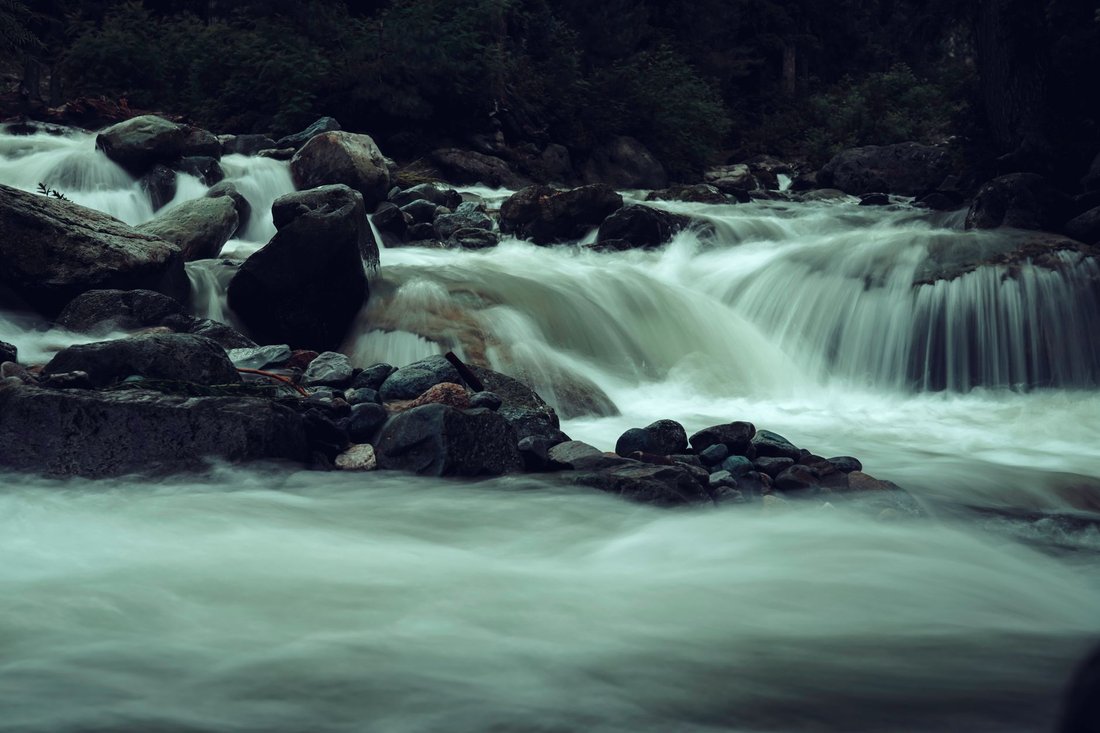
Roughly the same river, much further upstream, produces something almost nobody associates with Florida: rapids. Hillsborough River State Park has a stretch of Class II rapids where limestone outcroppings squeeze the river, along with miles of hiking trails, a campground, and a reconstructed Second Seminole War fort you can walk with a guide. Because it is state-run, it charges a per-vehicle entrance fee, unlike the city and county parks closer to downtown. Canoe and kayak rentals let you paddle the calmer sections above and below the rapids, and the shaded hiking trails hold up even in summer heat better than most open parks. It is a legitimate day trip from downtown Tampa, not a quick stop, so budget for a drive out of the city rather than an afternoon errand. The campground fills fast on cooler weekends in fall and winter, when Central Florida's brief version of autumn actually draws a crowd looking to sleep outside without sweating through it.
Lithia Springs
East of Tampa toward Fishhawk and Lithia, the county-run Lithia Springs park sits on a genuine spring-fed swimming hole, the clear, cold kind of water that Central Florida is known for but that Tampa proper does not have within its city limits. The main spring area is developed for swimming with a sandy bank, while a second, quieter unit upstream has a canoe and kayak launch onto the Alafia River. The water stays around the same cool temperature year-round, which makes it a genuine relief in August and a hard sell in January. Go on a weekday if you can, since weekend crowds build fast once the temperature climbs. Tubing is popular on the calmer stretches of the Alafia nearby, and locals treat the whole area as the unofficial swimming hole for anyone in eastern Hillsborough County who does not want to drive all the way to a spring in Ocala or Gainesville.
Bay and Waterfront Parks
Tampa's relationship with its bay is different from St. Petersburg's beach-forward identity. Here the water shows up as piers, seawalls, and one very long sidewalk rather than sand.
Ballast Point Park
In South Tampa, Ballast Point Park extends out into Tampa Bay on a long fishing pier that has been a neighborhood fixture since the early twentieth century, back when this spot held a streetcar-line amusement park and casino long since gone. Today it is quieter: anglers working the pier rail, kids on the playground, picnic shelters that get reserved for birthday parties most weekends. The pier gives one of the better unobstructed views of open Tampa Bay water anywhere in the city, with the bay bridges visible in the distance on a clear day. No admission, plenty of parking, and worth timing for early evening when the fishing picks up and the heat breaks. The surrounding neighborhood is one of South Tampa's older ones, with a small-town feel that outlasted the amusement park by a century, and the park still functions as its center of gravity.
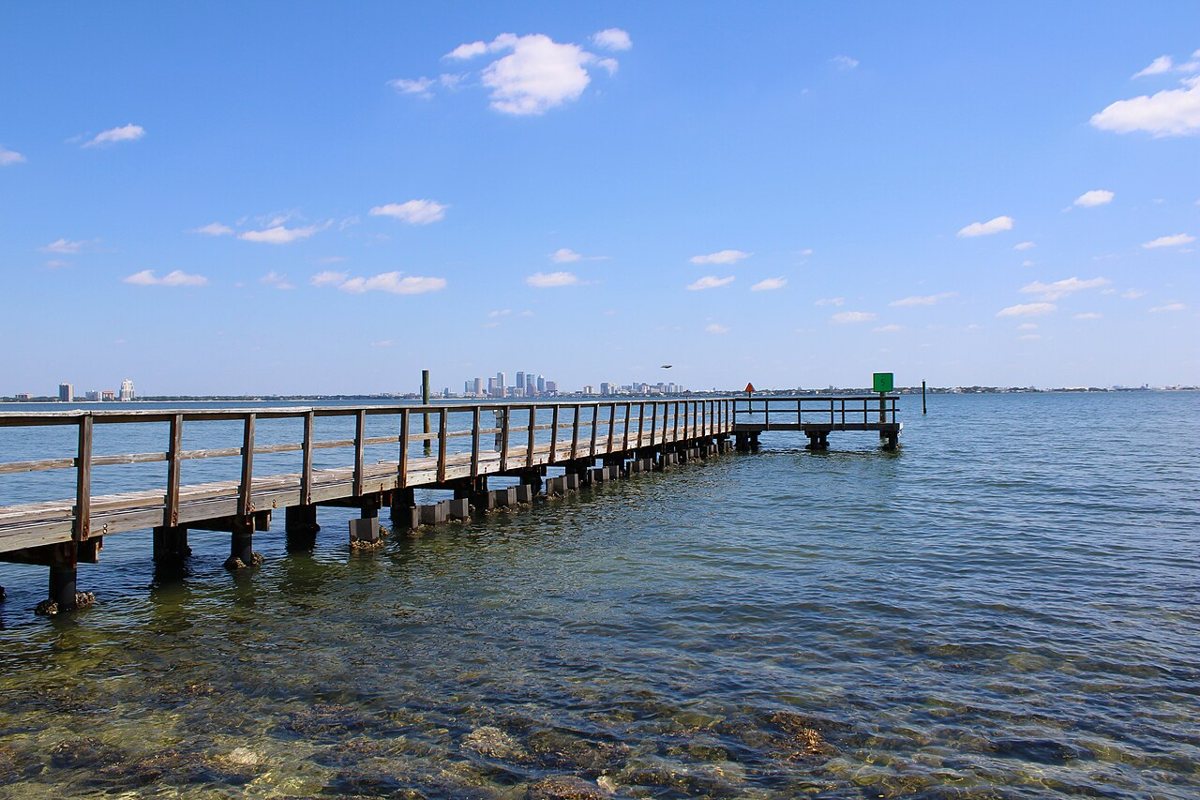

Bayshore Boulevard
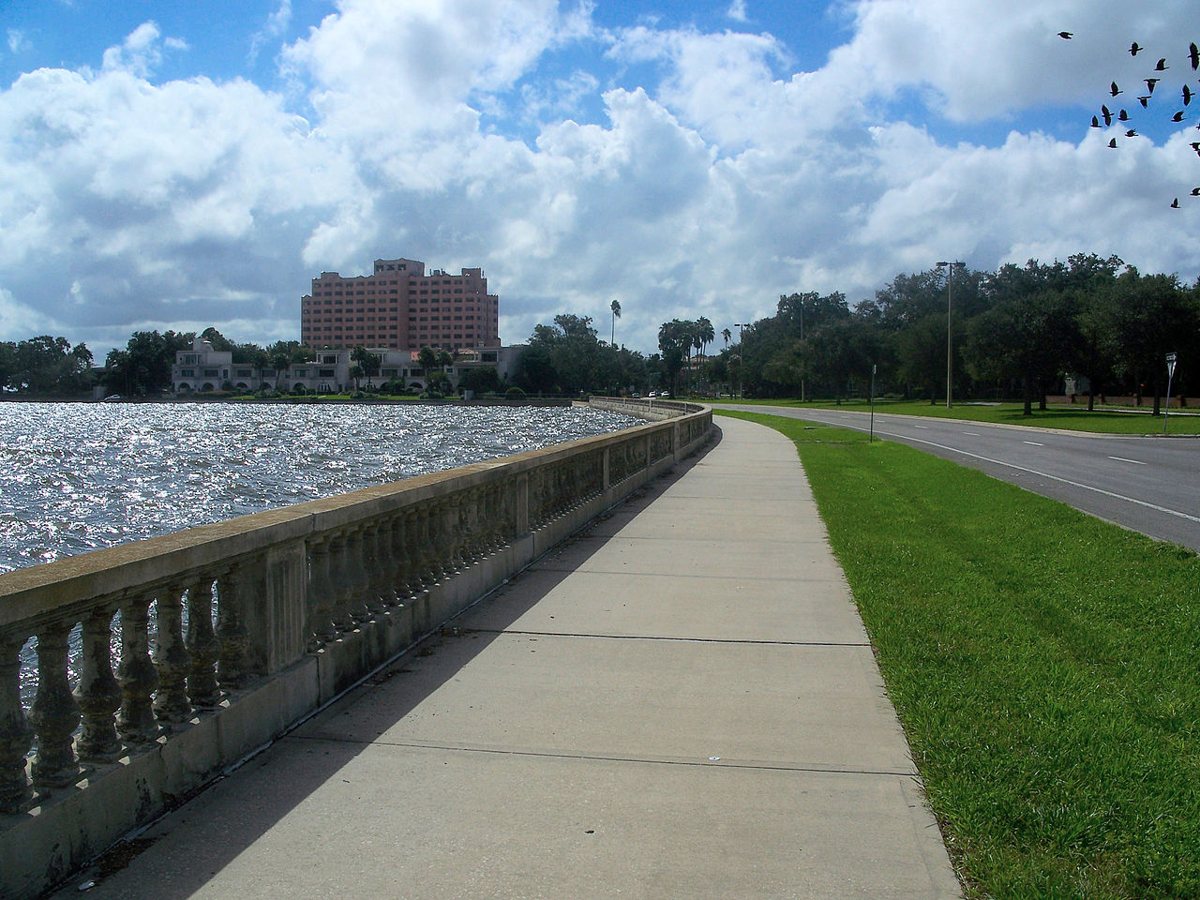
Bayshore Boulevard is technically a sidewalk, the longest continuous one in the world by the city's own claim, but in practice it functions as South Tampa's linear park. It runs for miles along the seawall between downtown and the MacDill area, with Tampa Bay on one side and a string of grand old homes on the other, and it draws runners, cyclists, stroller crowds, and rollerbladers from dawn until well after dark. Davis Islands and the downtown skyline are both visible from various points along the route, and this is the route Gasparilla's parade follows every winter. There is no better single stretch in the city for judging how seriously Tampa takes outdoor exercise as a civic pastime. Park at either end near Curtis Hixon or the Bayshore's southern residential blocks and walk as far as you want. It is one of the few Tampa landmarks that residents will defend to visitors from Miami without hesitation, on the reasonable grounds that no beach city sidewalk offers a comparable stretch of unbroken bay view.

Wilderness, Trails and Wide-Open Space
Not every Tampa park sits on water. The city and county both maintain a set of larger, less manicured spaces built for exercise and genuine quiet rather than skyline views.
Al Lopez Park
Near Raymond James Stadium and Tampa International Airport, Al Lopez Park is a workhorse neighborhood park built around a small lake, with a paved walking loop, ballfields, and one of the city's more popular dog parks. It does not have the postcard appeal of the riverfront parks, and that is a point in its favor. It is where a lot of Tampa residents actually go on an ordinary Tuesday evening to walk a dog or run a loop before dinner, not to see anything in particular. The lake draws a decent amount of birdlife, and there is enough shade along the trail to make a midday walk tolerable most of the year. Its proximity to the airport also makes it an unexpectedly good stop before or after a flight, close enough to reach in minutes without committing a whole day to it.
Flatwoods and the Wilderness Park System
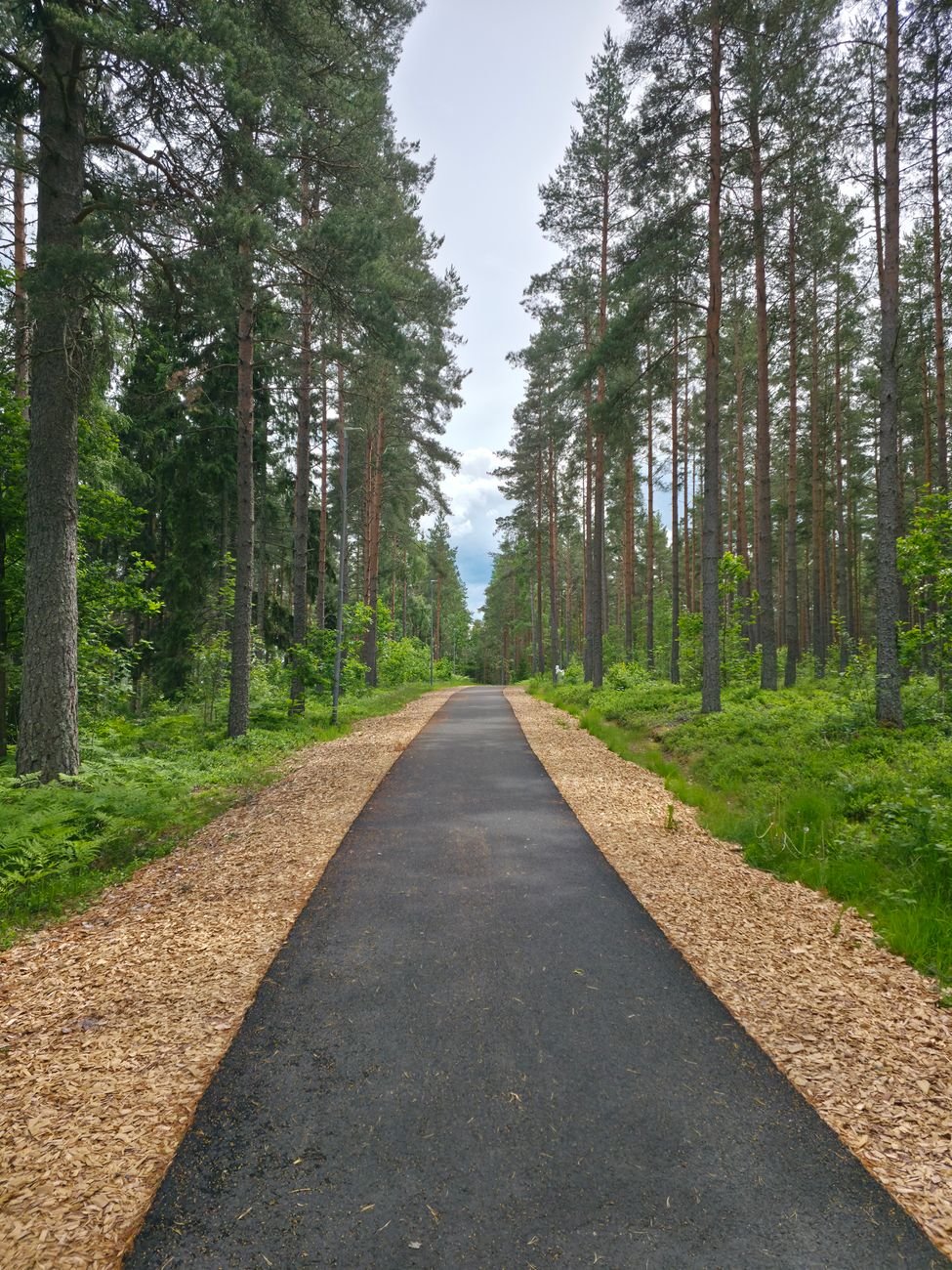
North Tampa's Wilderness Park system, strung along the Hillsborough River toward New Tampa, is the closest thing this city has to genuine backcountry within a short drive of downtown. Flatwoods Park is the best known unit, built around a paved multi-use trail loop through pine flatwoods that has become one of the region's most popular cycling routes, closed to cars on the main loop road so bikes, runners, and skaters have it to themselves. Nearby Trout Creek Park adds disc golf and equestrian trails, and the whole corridor connects loosely toward Morris Bridge Park along the river. Ride on a weekday morning for quiet, or a Saturday if you want the full social scene of Tampa's cycling community rolling by in packs. Wildlife sightings here run toward deer, hawks, and the occasional wild turkey rather than anything on the river, which makes it a good option for a family that wants nature without the swamp.
Dog Parks and Family-Friendly Spots
A handful of Tampa parks exist mainly to solve one specific problem, whether that is a dog with too much energy or a family that needs a beach without leaving the city.
Picnic Island Park
On the Tampa peninsula near MacDill Air Force Base, Picnic Island Park has one of the only official off-leash dog beaches in the area, a stretch of sand along Tampa Bay where dogs can run and swim without a leash. The rest of the park has a boat ramp, a playground, and views across the water toward the shipping channel, with container ships and Coast Guard boats passing close enough to watch from the shoreline. It is a working-harbor view rather than a scenic one, and that contrast is part of the appeal. Go in the morning before the day heats up, since there is limited natural shade along the dog beach itself. Sand here is not the soft white kind found across the bay in Pinellas County, and nobody who visits regularly is under any illusion it competes with an actual gulf beach, which is exactly why it stays uncrowded.
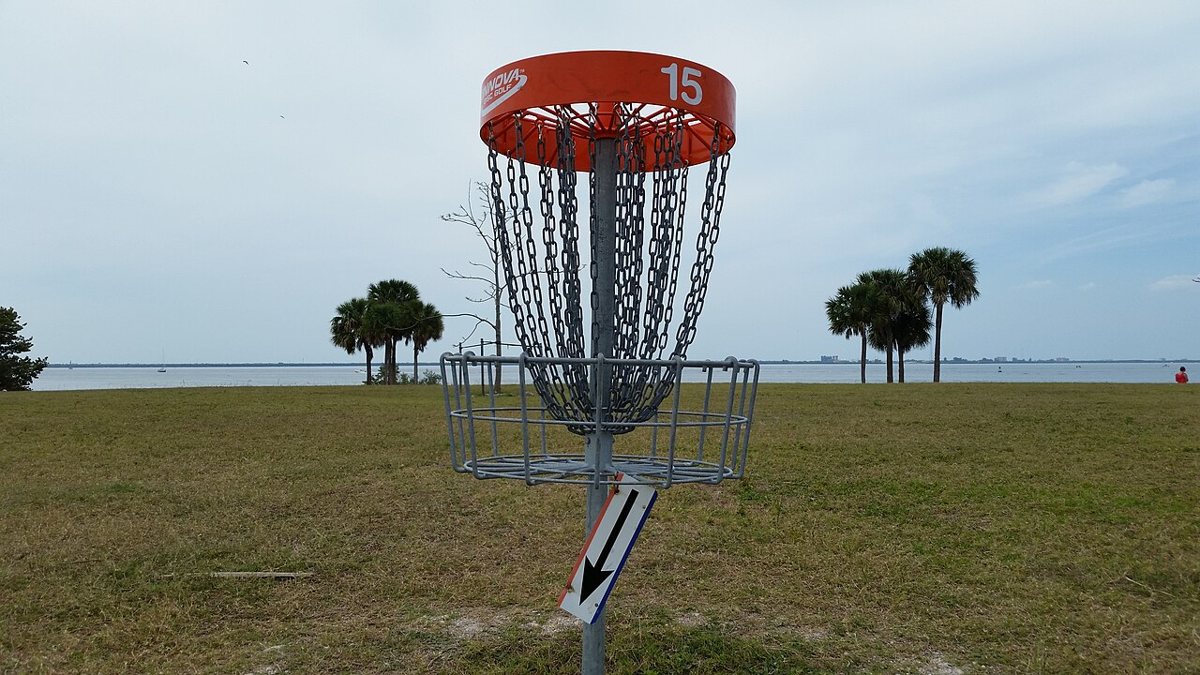

A few more are worth knowing even without a full stop: Robles Park in Tampa Heights for a quieter neighborhood green space, Cypress Point Park along Old Tampa Bay for sunset views away from the crowds, Perico Preserve for a shorter nature walk on the way toward Bradenton, and Upper Tampa Bay Park in Odessa for kayaking through mangrove tunnels without leaving the county.
Parking, Timing and What's Free
- Most city and county parks in Tampa are free to enter, including every downtown and riverfront park on this list. Hillsborough River State Park is the exception, charging a per-vehicle entrance fee since it is state-run rather than city or county.
- Downtown parking means metered street spots or nearby garages rather than dedicated free lots. Riverside parks further from downtown, including Lettuce Lake, Al Lopez, and Flatwoods, have their own free lots that fill up by mid-morning on nice weekends.
- Summer afternoons in Tampa bring near-daily thunderstorms, usually rolling in by early to mid afternoon. Morning is the reliable window for outdoor plans from June through September.
- The sun here is not subtle. Bring water and sun protection even for a short visit, and expect shade to matter more than scenery when you are choosing a trail in July.
- The downtown splash pads typically run into the cooler months but can go offline for maintenance, so it is worth having a backup plan if a splash pad is the whole point of the trip.
- Alligators are a normal part of freshwater parks like Lettuce Lake and Hillsborough River State Park, and staff post warnings when needed. Treat every riverbank as if wildlife could be present, keep dogs leashed near the water, and skip wading in unmarked areas.
- Restrooms and water fountains are reliable at the larger city and county parks but sparse at smaller neighborhood spots, so plan accordingly on a hot day.
What Tampa's Parks Get Right
What stands out across this list is how much of it runs along water, and how little of it performs for tourists the way a beach boardwalk does. Curtis Hixon and the Riverwalk get the attention because they are new, walkable, and photogenic, and they earned that attention through real investment rather than luck. But the parks that say more about this city are the ones further out: a spring-fed swimming hole that has nothing to do with downtown, a paved bike loop through pine flatwoods that locals treat like a second gym, a fishing pier that has outlasted the amusement park it was built next to. Tampa spent years being the place people drove through on the way to a beach somewhere else, overshadowed by St. Petersburg's shoreline and Miami's reputation for anything that gets called a scene. Its parks are one of the clearer signs that stopped being true. A city that builds a spring-fed swimming hole an easy drive from downtown, protects a stretch of rapids most of Florida does not know exists, and keeps a mile after mile of bay-front sidewalk in good repair is not coasting on anyone else's identity. On a weekend with nothing planned, these parks are still the best argument for a full weekend outdoors this city has to offer, and they do not need a beach to make the case.