Best Things to Do in Tampa: A Local's Guide
A Seminole Heights local's ground-level rundown of where Tampa actually spends its weekends, from the Riverwalk to Ybor City to the theme parks everyone flies in for.
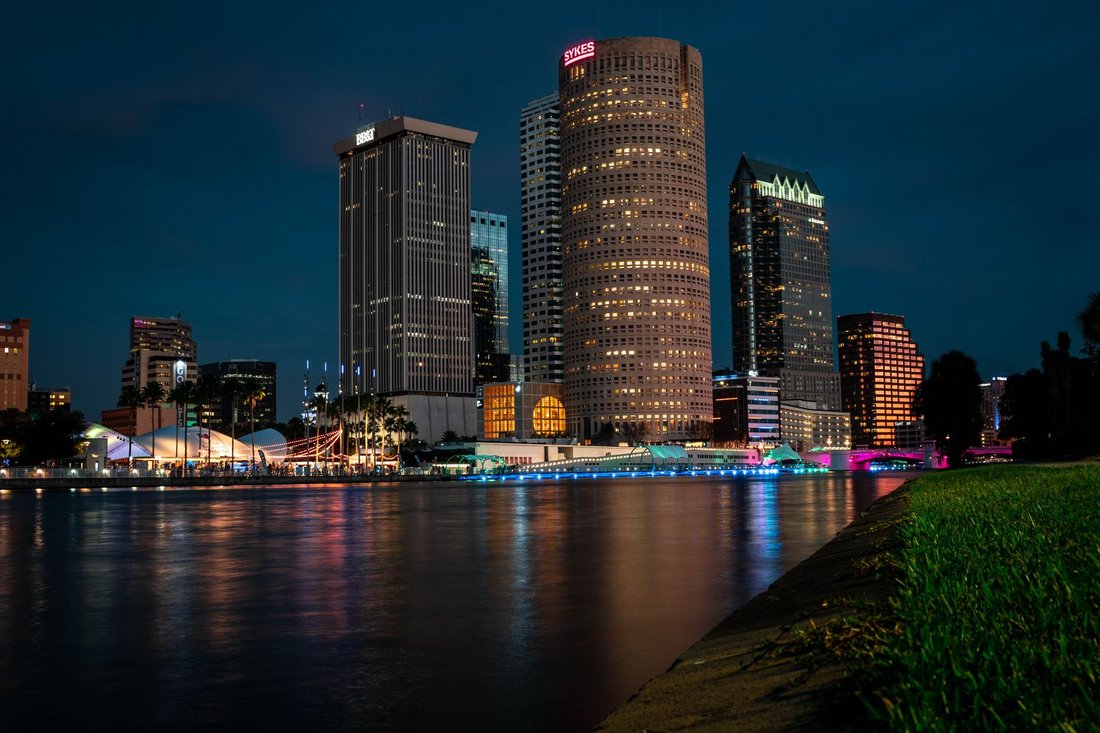
The first joggers hit Bayshore Boulevard before the sun clears the Interbay peninsula, and by seven the seawall is already crowded with stroller pushers and dog walkers, plus one guy running sprints against the longest continuous sidewalk in the country. Down at Curtis Hixon Waterfront Park, the fountains haven't kicked on yet, but a food truck is already parked and the Tampa Museum of Art's glass front is catching the first orange light off the river. Ask five different Tampa residents for the best things to do in Tampa and you'll get five different answers, because this city runs on at least three identities at once: polished waterfront downtown, loud historic Ybor City, and a family theme-park machine that pulls visitors in from three states over. Here's how a local actually spends a week covering all three, organized by where you'll actually be standing, not by some generic top-ten countdown that treats a theme park and a historic cigar district as interchangeable.
Start Where the City Starts: Downtown and the Riverwalk
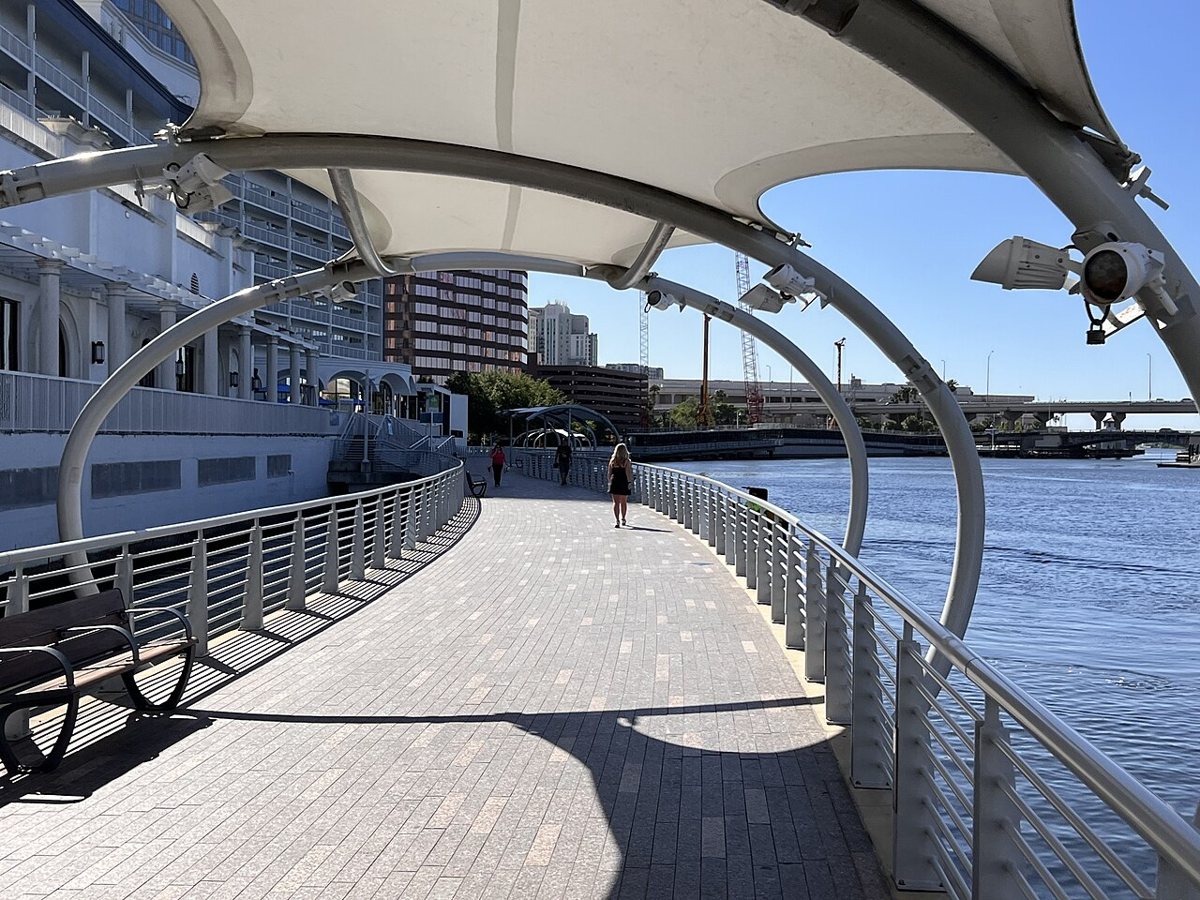
Almost every list of the best things to do in Tampa opens here, and it earns that spot. The Tampa Riverwalk is a paved path running along the Hillsborough River for a couple of miles, stitching together parks, museums, condo towers, and Amalie Arena into one walkable loop. Locals use it for the obvious reasons, a sunset jog or a bike ride before work, but the real payoff is architectural: you get river-level views of downtown's skyline that a car never shows you. Start near the Tampa Convention Center, pass the little green space at Cotanchobee Fort Brooke Park by Amalie Arena, and head north past Curtis Hixon toward Armature Works. Go right before sunset on a weeknight, when the joggers thin out and the string lights along the water start to look like the whole reason to live here.

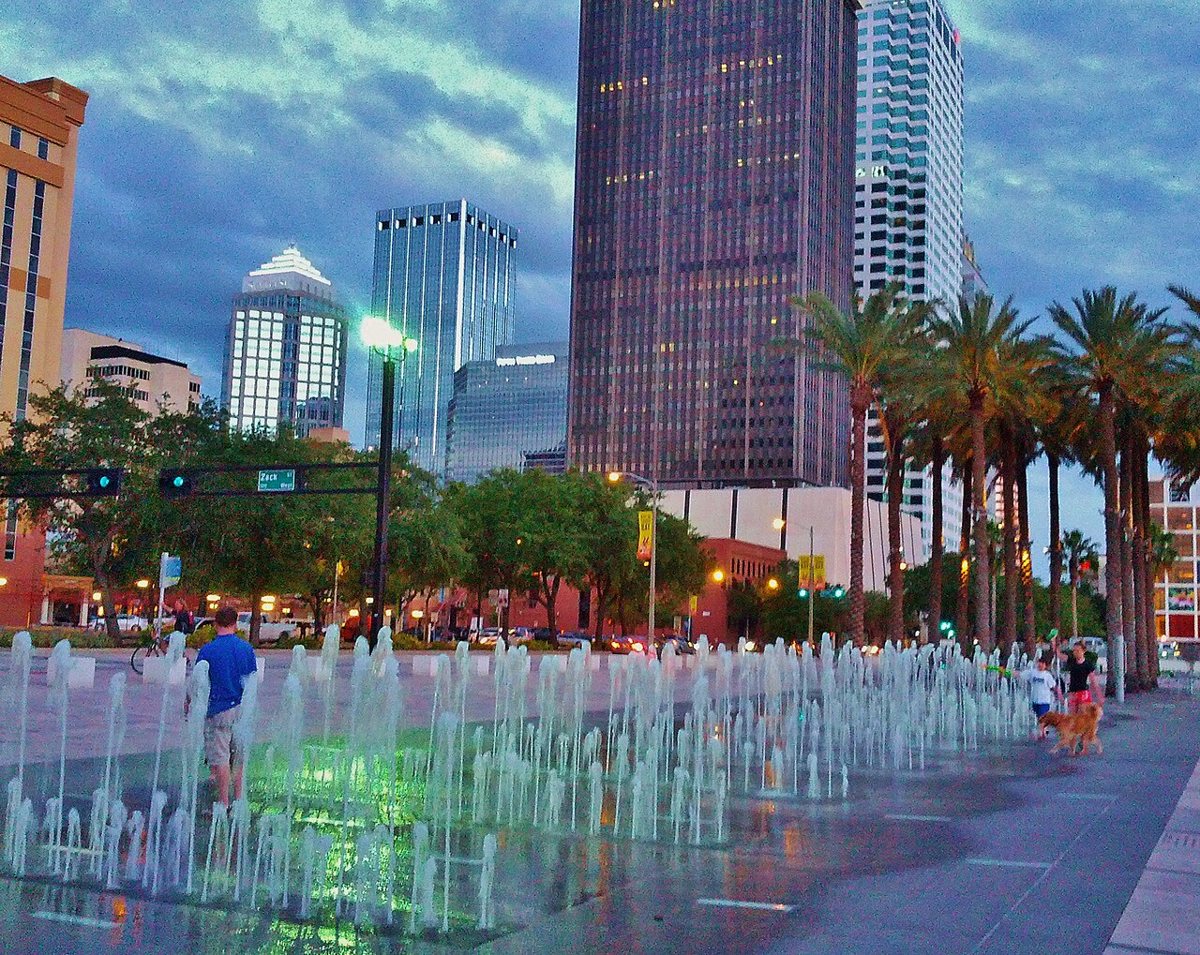
Curtis Hixon Waterfront Park is the green anchor of that walk, a wide open lawn on the river that hosts everything from food truck rallies to the Gasparilla crowds once a year. On an ordinary weekday it's families with blankets, a splash pad running for toddlers, and the Tampa Museum of Art's glass building glowing on one edge. Step inside the museum if rotating contemporary and classical exhibits interest you, admission tends to be modest and the river-view terrace alone justifies the stop. Because the park connects directly to the Riverwalk, it works best as a rest point rather than a standalone destination, somewhere to sit down with a coffee before continuing north. The stretch of grass has hosted the city's biggest outdoor gatherings for years, and it still feels more like a neighborhood park than a tourist checkpoint, which is exactly why locals keep showing up to it.

Keep walking north and the Riverwalk lets out at Armature Works, a restored 1910s trolley barn in Tampa Heights turned food hall. Inside, a dozen or so vendors sell everything from ramen to wood-fired pizza around communal tables, and a band or trivia night usually takes over the upstairs deck overlooking the river. It reads like a lot of other converted-warehouse food halls around the country, and locals will admit as much, but it remains the easiest place to bring a group with mismatched tastes and still end up sitting together. A weekend morning beats dinner rush if you actually want a table without circling the room first, and the upstairs balcony is the better seat if a band is playing that night.
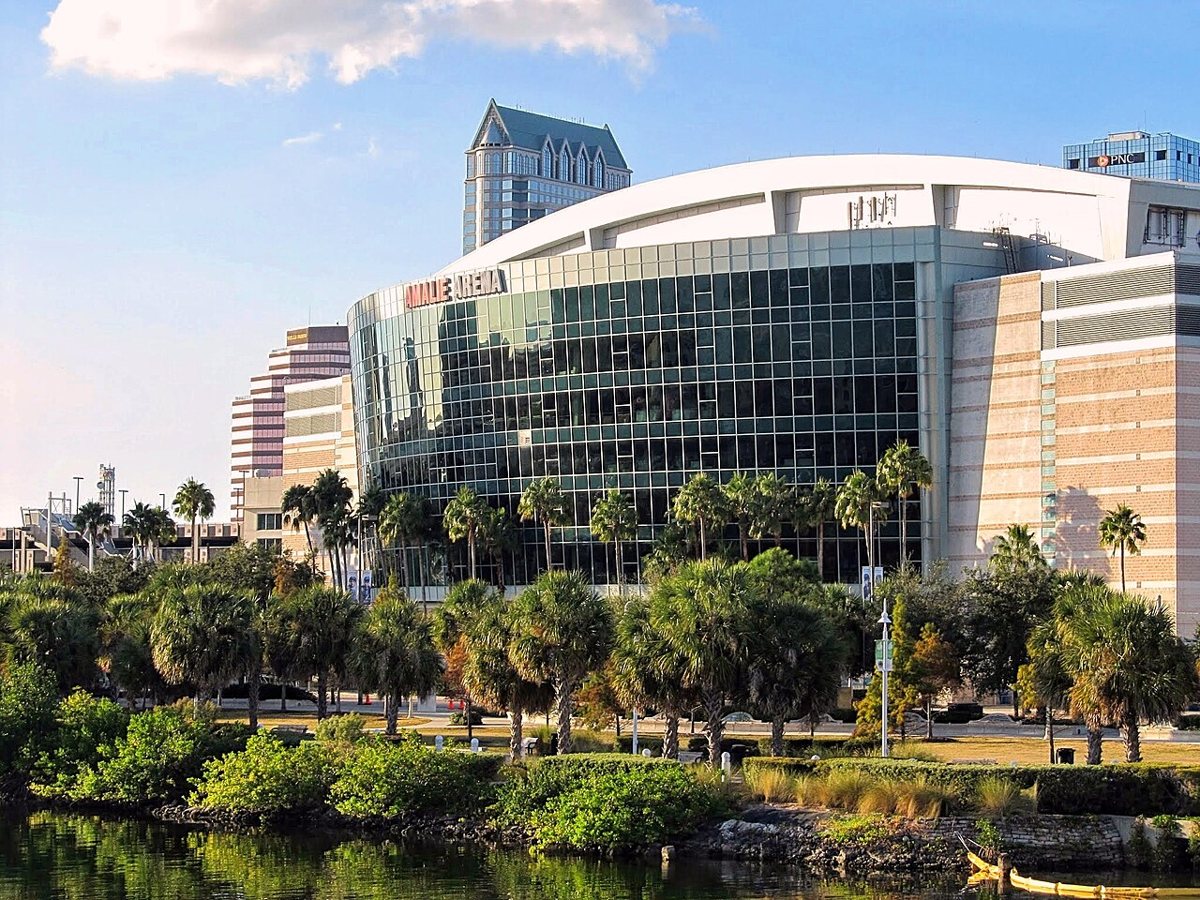
South of downtown, the Channel District has turned into Tampa's newest neighborhood largely because of the Water Street redevelopment, and Sparkman Wharf sits at the center of it, a lawn ringed by shipping-container bars and restaurants a short walk from the cruise terminal. It works well as a pregame spot before a Tampa Bay Lightning game at Amalie Arena next door. Amalie Arena also hosts concerts and touring shows on non-game nights, so it's worth checking the calendar even if hockey isn't the draw. Parking downtown gets expensive fast on event nights, so a rideshare or the downtown trolley usually beats circling for a spot.

A short drive across the river in West Tampa, Steinbrenner Field turns into one of the sport's biggest annual draws every spring, when the New York Yankees hold spring training there and the surrounding fields fill with fans who flew in just for it. Outside of that window, the stadium still hosts other baseball, so it's worth a check regardless of the time of year. The setup is smaller and more relaxed than a regular-season big-league park, with sightlines close enough that autographs happen more often than not. Bring cash for concessions and get there early if a marquee matchup is on the schedule, the good seats near the rail go first.
Ybor City, Where Tampa's History Actually Lives
No conversation about the best things to do in Tampa gets far without landing in Ybor City, and that isn't tourist marketing, it's history. Cuban, Spanish, and Italian cigar workers built this neighborhood in the late 1800s, and the wrought-iron balconies and brick streets are original, along with the old cigar factory buildings, not a themed reconstruction. During the day it's walkable and low-key, good for browsing the surviving cigar shops and the Centro Ybor complex. At night, especially on weekends, Seventh Avenue turns into one of the loudest bar and club strips in the state. Both versions are worth seeing, and neither one erases Ybor's actual Latin heritage, which is still the reason the neighborhood exists in the first place. For the deeper rundown on a night in Ybor, including where the cigar rolling demonstrations still happen and which blocks get loud after dark, it's worth planning as its own evening rather than a rushed daytime stop. The Ybor City Museum State Park, tucked into a converted cigar workers' cottage, fills in the parts of the story the balconies don't tell on their own, and it's a quiet, air-conditioned counterweight to a hot afternoon of walking the brick streets.

Ride the Streetcar Between Downtown and Ybor
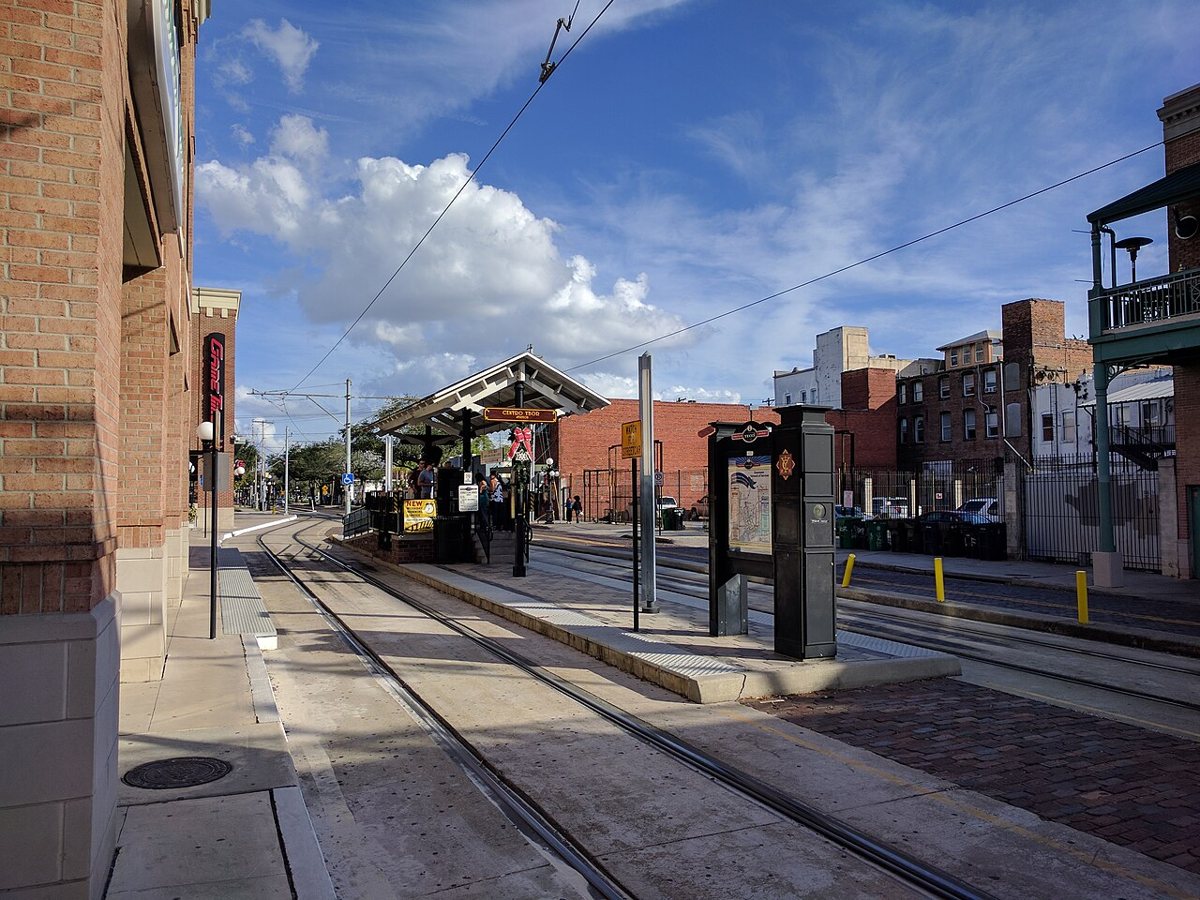
The TECO Line Streetcar runs vintage-style cars along the route connecting downtown, the Channel District, and Ybor City, and it's one of those things that sounds like a tourist gimmick until you actually need to get between those three areas without moving your car. The cars themselves are a nod to Tampa's early-twentieth-century trolley system, and the ride gives you a slow, low-effort look at the Channel District's condo towers and the edge of Ybor's historic core before you've even picked a bar. It's not fast, and it isn't meant to be. Use it as the connective tissue between a downtown afternoon and an Ybor City evening rather than a destination in itself, and check current service hours before building a night around the last car back.
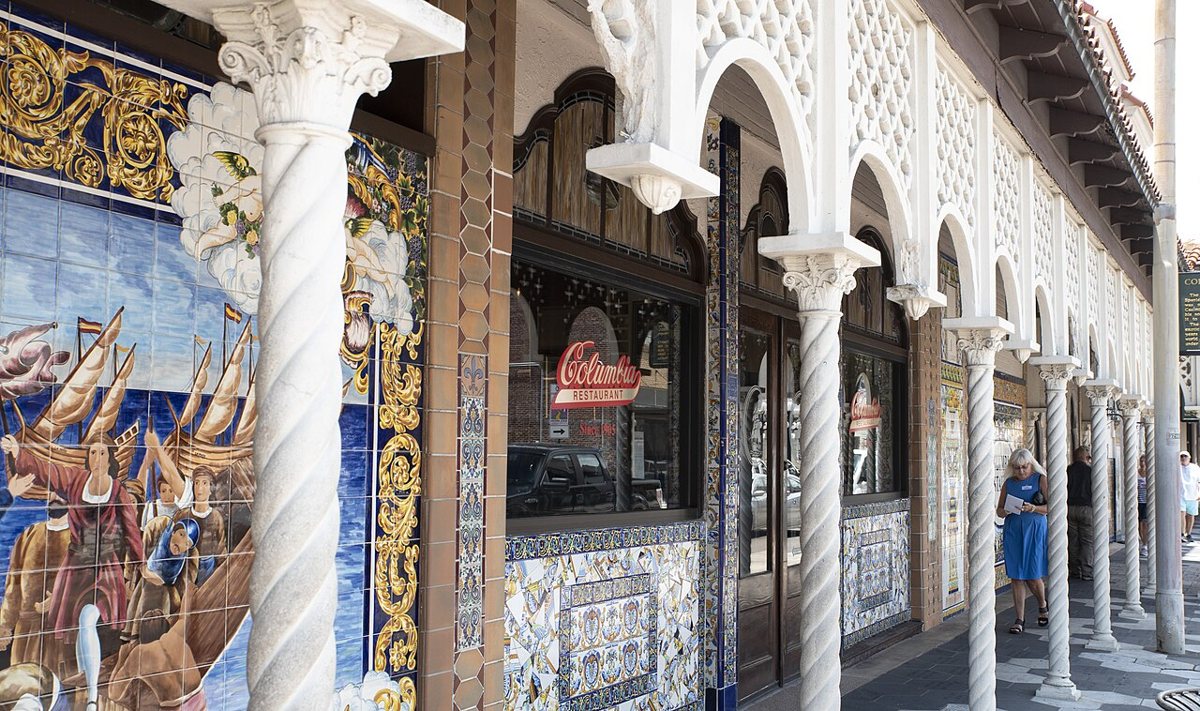
The Columbia Restaurant anchors the whole district, and it isn't old for old's sake, it has operated in the same Ybor City building for well over a century and is widely considered the oldest restaurant in Florida. The dining rooms are enormous and tiled, closer to touring a museum than grabbing a meal, and flamenco dancing shows up some nights if your timing lines up. Order the 1905 Salad. It's the house signature and it predates most of the trends people credit with inventing the chopped salad. It's also a fair place to settle Tampa's most defensive food argument, since where to find a proper Cuban usually starts with whether the sandwich needs salami, which most Tampa natives will insist it does, unlike the Miami version.

The Animals and the Adrenaline
Busch Gardens Tampa is the reason plenty of first-time visitors come to this side of the state at all, and it earns the trip. Part zoo, part thrill park, it's built around an African-themed layout with roller coasters woven between real animal habitats, so you can ride something upside down and then walk past a giraffe ten minutes later. The coaster lineup counts among the strongest in the Southeast, and the animal care side runs deeper than the theming suggests, this is an accredited zoo, not simply a backdrop. Set aside a full day, wear shoes you can stand in for hours, and go on a weekday if your schedule allows it, since weekend and holiday lines stretch long fast.


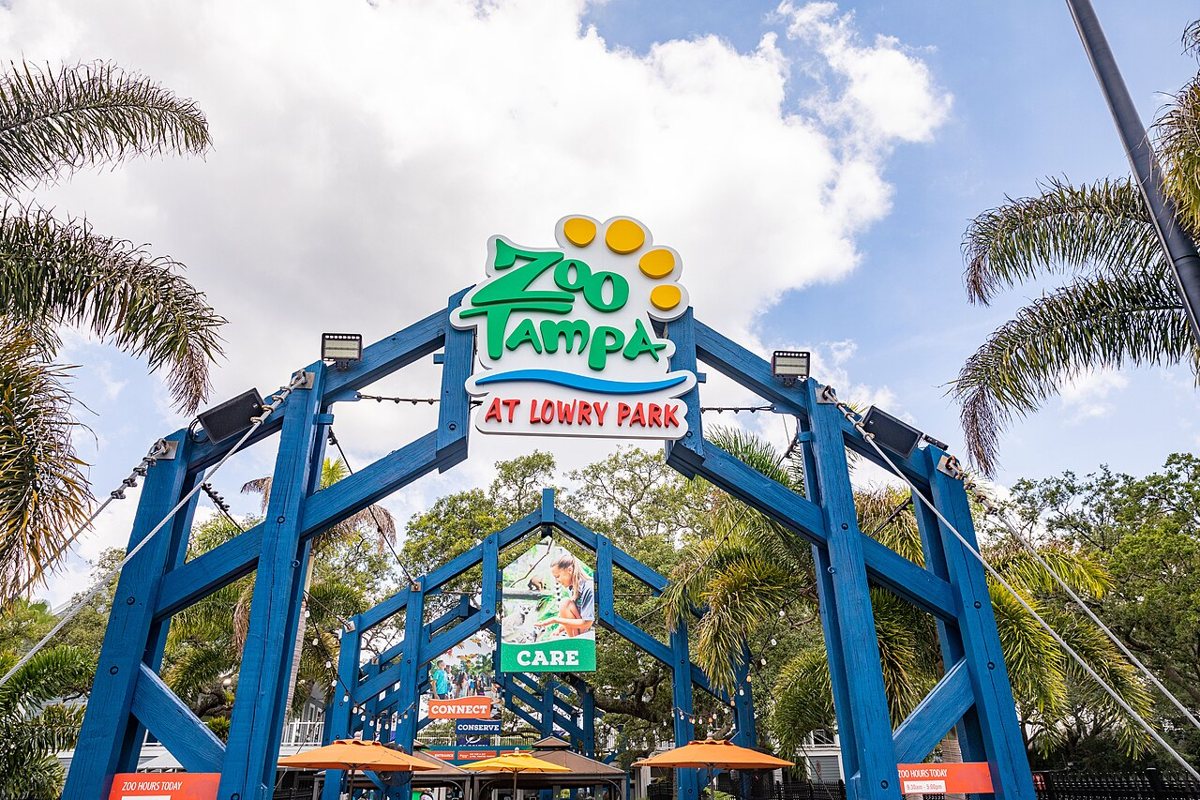
ZooTampa at Lowry Park is the calmer, more local-feeling alternative, and a lot of Seminole Heights and Riverside Heights families keep season passes here instead of at Busch Gardens. Sitting on the river a few miles north of downtown, it specializes in manatee rehabilitation alongside a solid range of Florida wildlife and a walk-through Asia section. Smaller and easier to cover in half a day, it fits better if you've got young kids or simply don't want to burn a whole vacation day standing in coaster lines. Arrive early, since the animals stay more active before the midday heat sets in, and the free-flight aviary is worth timing your visit around if birds are your thing.

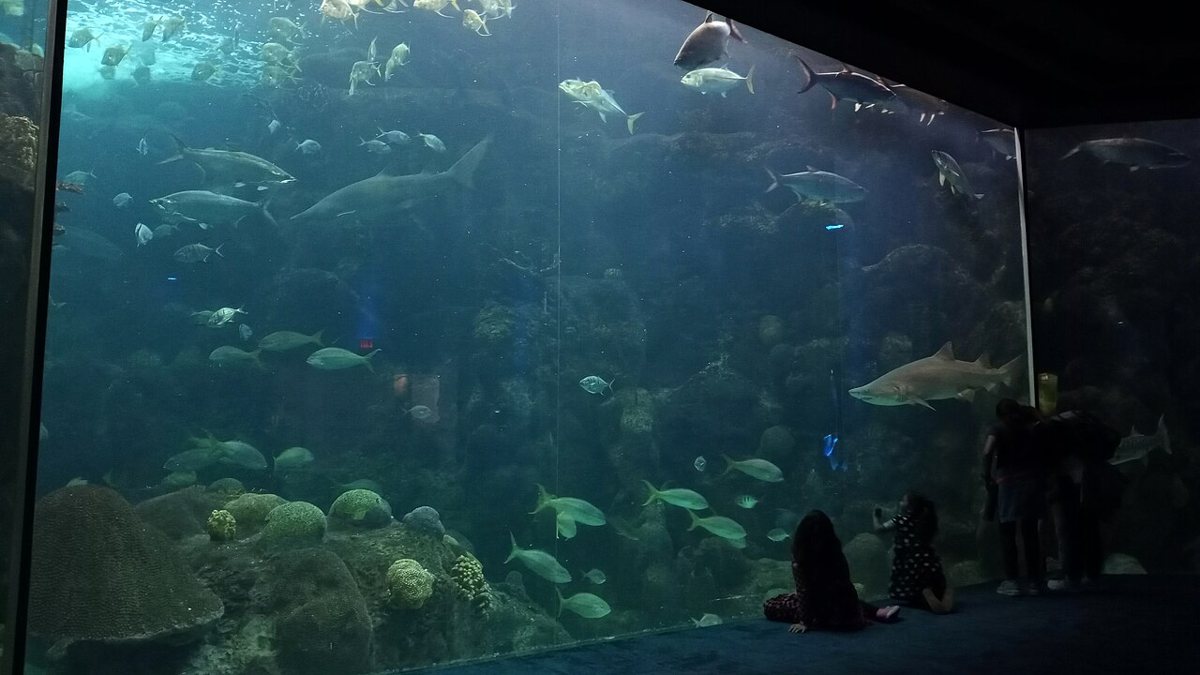
The Florida Aquarium sits right downtown on the Channel District side, an easy add-on to a Riverwalk day rather than a trip of its own. Kids gravitate toward the tank tunnel and the touch pools, but the behind-the-scenes swim and dive programs are worth a look if anyone in your group is certified or just curious. Smaller in scope than Busch Gardens or ZooTampa, it realistically runs two to three hours, which makes it easy to pair with lunch at Sparkman Wharf or an afternoon along the river. Weekday mornings right at opening tend to be the quietest window, and the rooftop area at the top of the building gives a decent, mostly overlooked view back toward the Channel District skyline.

Hyde Park, Bayshore, and the Slower Side of Tampa
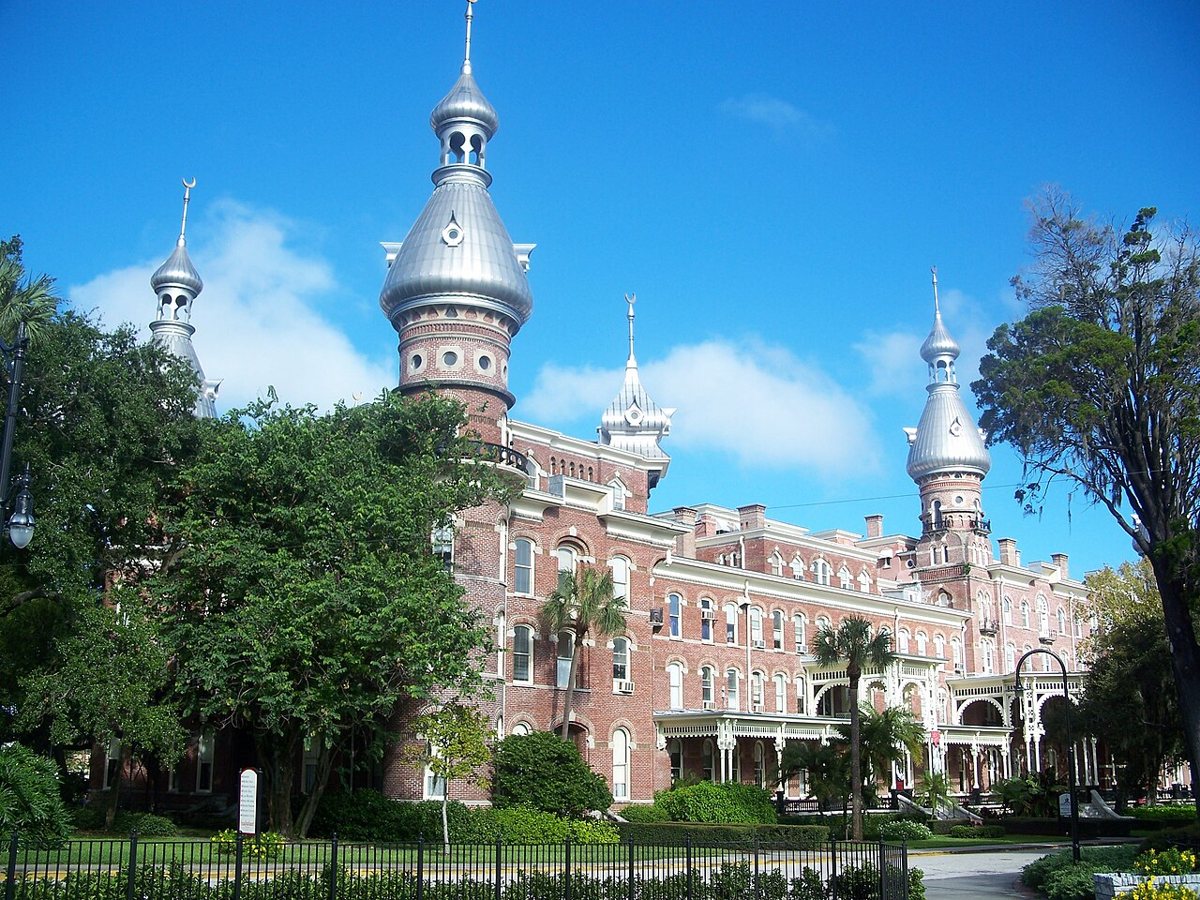
Cross the river into Hyde Park and the pace of the whole city shifts, brick streets and live oaks, old bungalows with wide porches. The Henry B. Plant Museum sits at the center of that shift, housed in the silver minarets of what used to be the Tampa Bay Hotel, built by railroad magnate Henry Plant in the 1890s to lure wealthy Northern tourists south for the winter. Today the building anchors the University of Tampa campus, and the museum occupies one wing, restored with the hotel's original Victorian furniture and art. Visible from across the river along the Riverwalk, it's among the most recognizable pieces of skyline Tampa has, and it's worth the short walk over even if you only take it in from outside. Students cut across the same lawns the hotel's original guests once strolled, and the contrast between a working college campus and a preserved Gilded Age hotel is part of what makes the stop worth the detour off the boulevard.

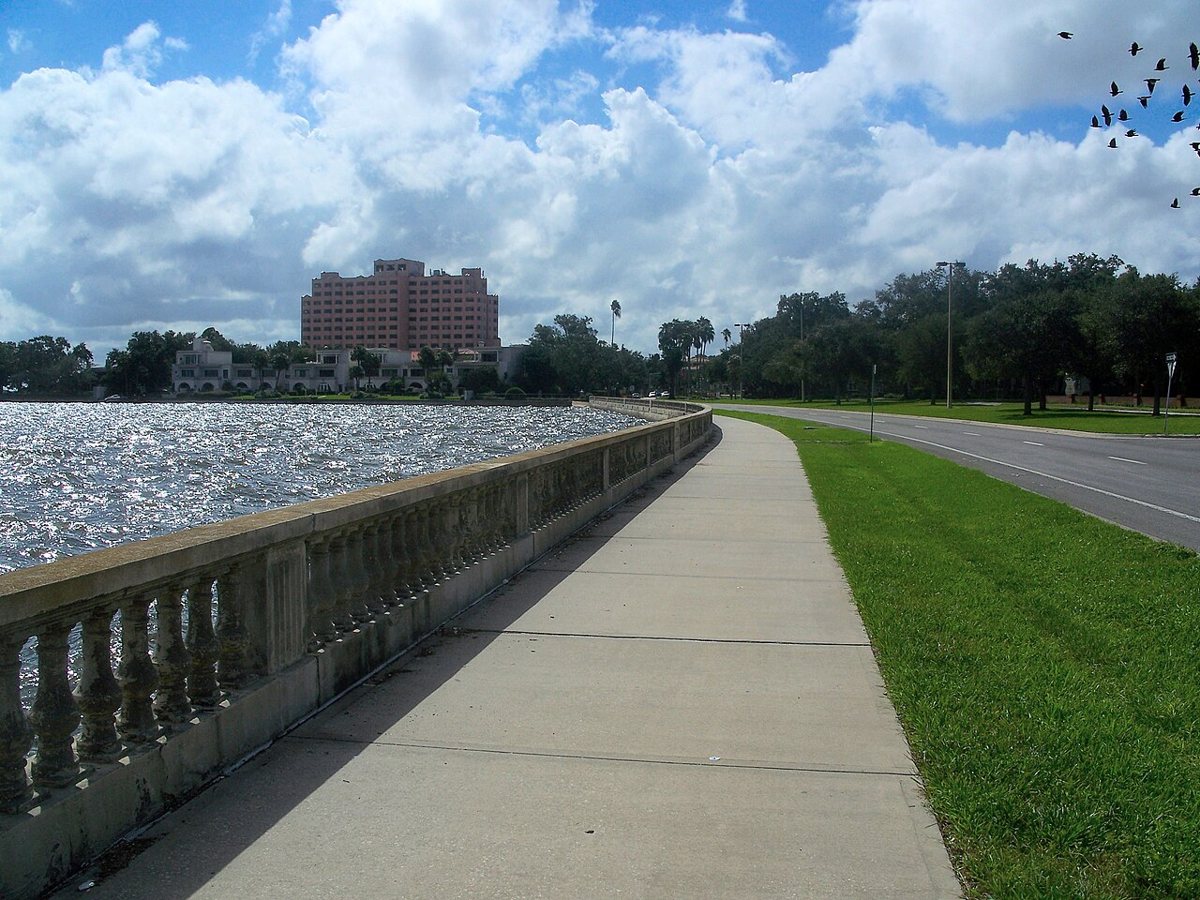
Bayshore Boulevard is where Tampa goes to move its body and clear its head, a continuous sidewalk running roughly four and a half miles along the water, one of the longest of its kind anywhere, with grand old homes on one side and open bay on the other. Locals walk it, run it, bike it, and skate it at nearly every hour of the day, and on a clear afternoon the downtown skyline sits right there across the water the whole time. Follow it south toward Ballast Point Pier, a smaller, quieter fishing pier that's a good spot to actually stop and watch the sun go down instead of just passing through. Pair a Bayshore walk with lunch or shopping in nearby Hyde Park Village, the walkable retail strip a few blocks off the boulevard, and a full slow afternoon comes together without ever needing a car. Bring water even for a short walk, the sidewalk offers almost no shade for long stretches, and the bay breeze that feels pleasant in the morning does nothing to cut the midday sun.

Where to Catch a Show
The Straz Center for the Performing Arts sits right on the Riverwalk downtown and covers everything from touring Broadway productions to the Florida Orchestra's home season, with several performance halls under one roof along the river. It draws a different crowd than the coasters and the cigar shops, but it belongs on the same list, since a lot of the best things to do in Tampa on a given night come down to whichever show happens to be booked. Check what's currently running before you plan around it rather than assuming, since the lineup rotates constantly and this is genuinely a working performing arts center, not a fixed attraction. The building itself is worth a look even on a night with nothing booked, its riverfront glass and the plaza out front have become one more stop along the Riverwalk whether or not you're holding a ticket.
The Best Things to Do in Tampa, Sorted by Who You Are
One Day in Tampa
Hit the Riverwalk in the morning, following it north to Armature Works, grab lunch there, then spend the afternoon in Ybor City before circling back downtown for dinner. It's compact enough to cover on foot and by rideshare, and it touches both the waterfront and historic sides of the city in a single stretch. Skip both theme parks entirely on a one-day trip, they each deserve their own full day and trying to squeeze one in alongside the Riverwalk and Ybor just leaves you exhausted and rushed at both.
Traveling With Kids
Pick one big park, either Busch Gardens or ZooTampa, and build the day around it instead of trying to cram in both. Add the Florida Aquarium the next morning if your trip runs more than a couple of days, since it's a manageable half-day and kids tend to have more patience there than standing in coaster lines. Curtis Hixon's splash pad and the open lawn are also worth an hour on any afternoon when everyone needs a break from structured attractions and just wants to run around.
A Weekend Without Kids
Stay closer to downtown and Hyde Park. Cover the Riverwalk and the Plant Museum during the day, walk or bike Bayshore Boulevard for the view, and save Ybor City for the second night, once the bars and live music actually pick up. A Straz Center show slotted into either evening rounds the weekend out nicely if something worthwhile happens to be running while you're in town.
For the Beer and Food Crowd
Tampa's craft beer scene runs through Seminole Heights and the surrounding warehouse district more than through any single attraction on this list, and Cigar City Brewing's taproom, home of the Jai Alai IPA, is the anchor most locals build a beer crawl around. Pair that with a proper Cuban sandwich and dinner at the Columbia in Ybor and you've covered the two things residents actually argue about with visitors. Round it out with a stop at Armature Works, where the food hall format means nobody in your group has to agree on one restaurant.
Getting Around, Timing It Right, and What's Free
Tampa isn't a one-neighborhood city, and a rental car or rideshare remains the most realistic way to move between Ybor City, downtown, Hyde Park, and the Busch Gardens area, all of which sit fifteen to twenty minutes apart by car. Downtown, the Riverwalk, and the Channel District make up the one stretch genuinely built for walking, and a downtown trolley or the streetcar line running toward Ybor City covers that gap if parking twice in one day sounds like a hassle. If your visit involves the Busch Gardens area or ZooTampa, plan on driving separately from any downtown or Ybor plans for the same day, since they sit far enough north that combining them with a walking day downtown just eats your afternoon in traffic.
Timing matters more here than in a lot of cities. Summer afternoons bring near-daily thunderstorms and heavy humidity, so outdoor stops like Busch Gardens, ZooTampa, and Bayshore Boulevard sit more comfortably in the morning or during the cooler stretch from fall through spring. Weekday visits beat weekends almost everywhere on this list, from museum crowds to Ybor City parking. If your trip happens to land during Gasparilla season, the pirate invasion and parade held every winter, expect downtown and Bayshore Boulevard to be packed and plan transportation well in advance. It's chaotic, it's genuinely a good time, and it's about as Tampa as a single day on the calendar gets. Outside of that stretch, spring and fall generally offer the most comfortable weather for anything on this list that happens outdoors, with lower humidity and a real chance of a breeze off the water instead of just heat.
A fair amount of the best things to do in Tampa cost nothing at all:
- Walking or biking the Tampa Riverwalk and Bayshore Boulevard
- Curtis Hixon Waterfront Park, including most of the outdoor events held there
- Wandering Ybor City's historic streets during the day
- Viewing the Plant Museum's exterior and grounds from the University of Tampa campus
- Watching the sunset from Ballast Point Pier
People who've never spent time here tend to picture Florida Man headlines or assume this is just Orlando's beach-adjacent cousin, and both miss what's actually happening. Tampa spent the last decade building a real downtown out of a river nobody used to walk along, while holding onto a nineteenth-century Latin neighborhood that never needed reinventing in the first place. St. Pete gets credit for the arts-district scene and Clearwater gets the beach crowds, and Tampa seems fine with that trade, because what's left is a city that handles history, animals, water, and nightlife without needing to be any one of those things full time. Walk the Riverwalk at sunset once, eat a Cuban sandwich with salami in it once, and the difference nobody here bothers explaining to visitors twice starts to make sense on its own.