Spring Things to Do in Tampa for 2026
Tampa's three best months for weather line up with spring training, museum season, and every brewery patio in town finally making sense again.
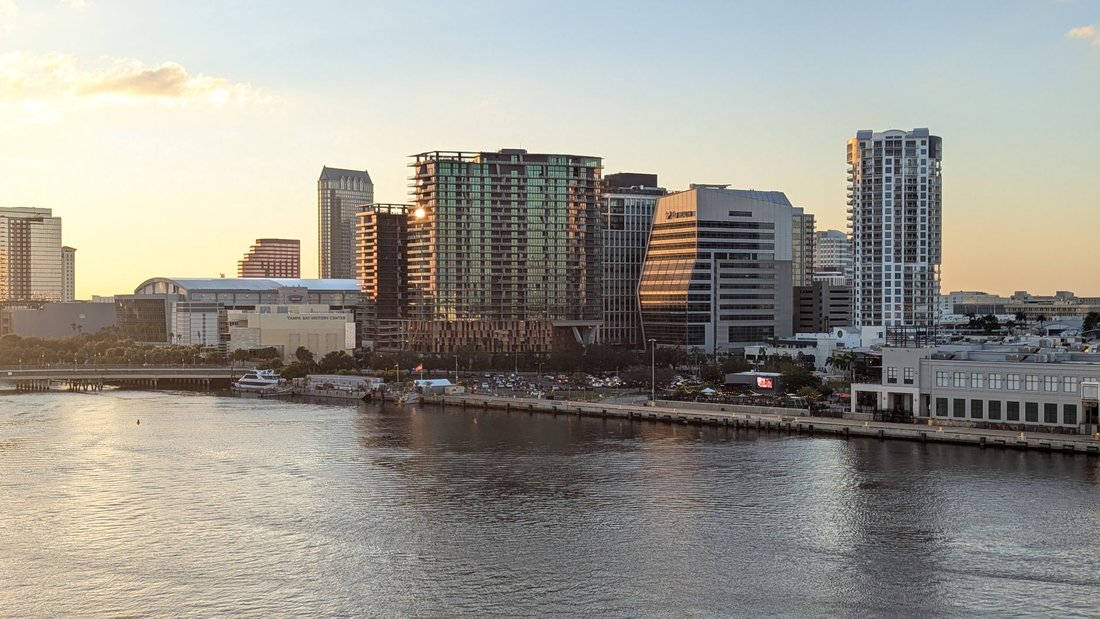
By 7:30 on a March morning, the Tampa Riverwalk already has joggers stacked three deep past the Sail Pavilion, a food truck cranking up its generator near Curtis Hixon Waterfront Park, and the light off the Hillsborough River doing that early-spring thing where it turns gold instead of the flat white glare of August. This is the stretch of the calendar Tampa actually built itself for: cool enough mornings to run the Riverwalk without wringing out your shirt, warm enough afternoons for a patio at a Seminole Heights brewery, and none of the hurricane anxiety that creeps in by June. Anyone searching for spring things to do in Tampa this year is really asking a simpler question: what does a place that works this hard on its outdoor life actually do with three good months of weather? The answer stretches from downtown museums to a Ybor City lechon sandwich to a spring training lineup at Steinbrenner Field, and it deserves more than a top-five listicle.
Spring Things to Do in Tampa: Why This Season Wins
Locals plan around spring the way other cities plan around fall foliage. Temperatures typically sit in the 70s and low 80s, the humidity hasn't turned oppressive yet, and the afternoon thunderstorms that define a Tampa summer are still weeks away. Festival season stacks up accordingly: the Gasparilla Music Festival usually lands downtown in the season's early weeks, Yankees spring training fills Steinbrenner Field with fans in pinstripes, and every restaurant patio from Hyde Park to Ybor City puts its outdoor tables back into rotation. Tourists tend to think of Tampa as a beach layover on the way to Clearwater or St. Pete. Spring is the season that argues otherwise, because it's when the city's own neighborhoods are at their best.
Downtown Tampa and the Riverwalk
The Tampa Riverwalk is the connective tissue of downtown, linking Curtis Hixon Waterfront Park, the Tampa Museum of Art, the Straz Center for the Performing Arts, and Amalie Arena along the Hillsborough River. The path earns its reputation in these months. The oak canopy near the university side leafs out, rowing shells cut through the water at dawn, and the whole path stays walkable well past sunset without the mosquito swarm that shows up by June. Rent a bike from one of the downtown bike-share stations and you can cover the entire loop, stopping at the Tampa Bay History Center or ducking into Sparkman Wharf for a drink, in under two hours. Runners tend to have the path to themselves before eight in the morning, while the after-work crowd takes over by six, dog walkers and stroller-pushing parents filling the gap in between. The insider move is to start at the University of Tampa's Plant Hall, the old Tampa Bay Hotel with its Moorish minarets, and walk south toward the Channel District as the morning light hits the silver domes. This is downtown, and it's free.
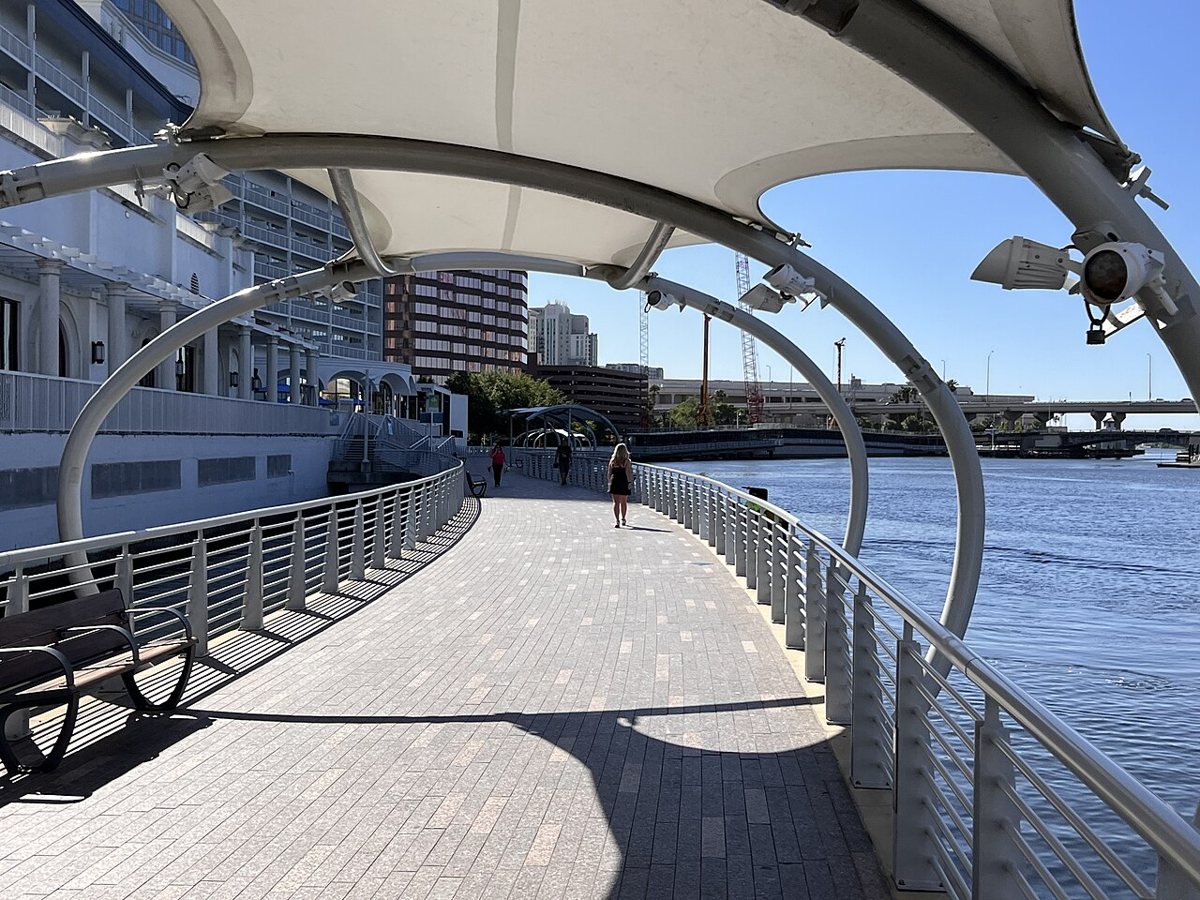

Curtis Hixon Waterfront Park sits at the Riverwalk's midpoint and functions as downtown's living room. It's a genuine green lawn with a splash pad for kids, river views toward the University of Tampa's minarets, and enough open space that it regularly hosts the Gasparilla Music Festival and other outdoor concerts when the weather cooperates, which in spring it almost always does. On an ordinary Saturday you'll find yoga classes, a food truck rally, or just people spreading blankets to watch the Sunday paddleboarders. It costs nothing to show up, and that alone makes it one of the better arguments for spending an afternoon downtown instead of driving straight to the interstate.
The Tampa Museum of Art and Its Neighbors
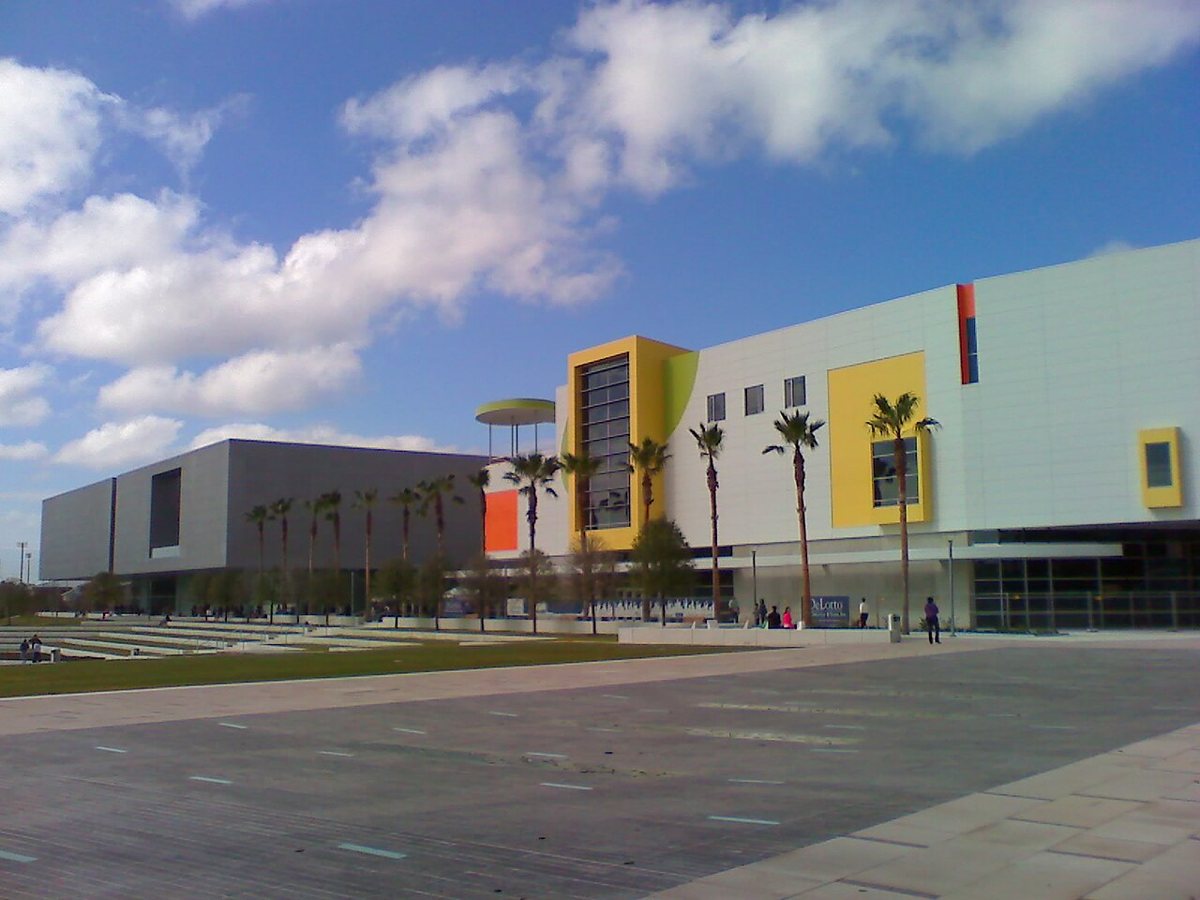
Right on the Riverwalk, the Tampa Museum of Art specializes in classical antiquities alongside rotating contemporary exhibitions, housed in a building whose cantilevered, lit-up facade has become one of downtown's real landmarks after dark. Give yourself an hour for the permanent Greek and Roman collection, then check whatever traveling exhibit is up, since the museum tends to bring in shows worth a special trip. Next door, the Glazer Children's Museum keeps younger kids occupied with hands-on exhibits, and the Straz Center for the Performing Arts runs its spring season of touring Broadway shows and opera through the same stretch of riverfront. Treat this whole cluster as a single spring outing: museum in the late morning, lunch on the Riverwalk, a show at the Straz in the evening if the timing lines up.

Channel District and Water Street Tampa
East of downtown, the Channel District has turned into the newest chapter of Tampa's skyline, anchored by the Water Street Tampa development and its cluster of condo towers, hotels, and restaurants built around Sparkman Wharf's shipping-container food hall. Evenings here run differently than in Seminole Heights or Ybor City: less bungalow porch, more waterfront cocktail, with young professionals from the new residential towers filling the outdoor tables the second the temperature drops below eighty. The Florida Aquarium anchors the district's family-friendly side, and Amalie Arena, home to the Tampa Bay Lightning, sits a short walk away with its own stretch of riverfront patio space that fills up on game nights and stays lively even when the Lightning aren't playing. Sparkman Wharf alone is worth a stop for its rotating lineup of local food vendors and a lawn strung with string lights that turns into an informal gathering spot most spring evenings, no ticket or reservation required.
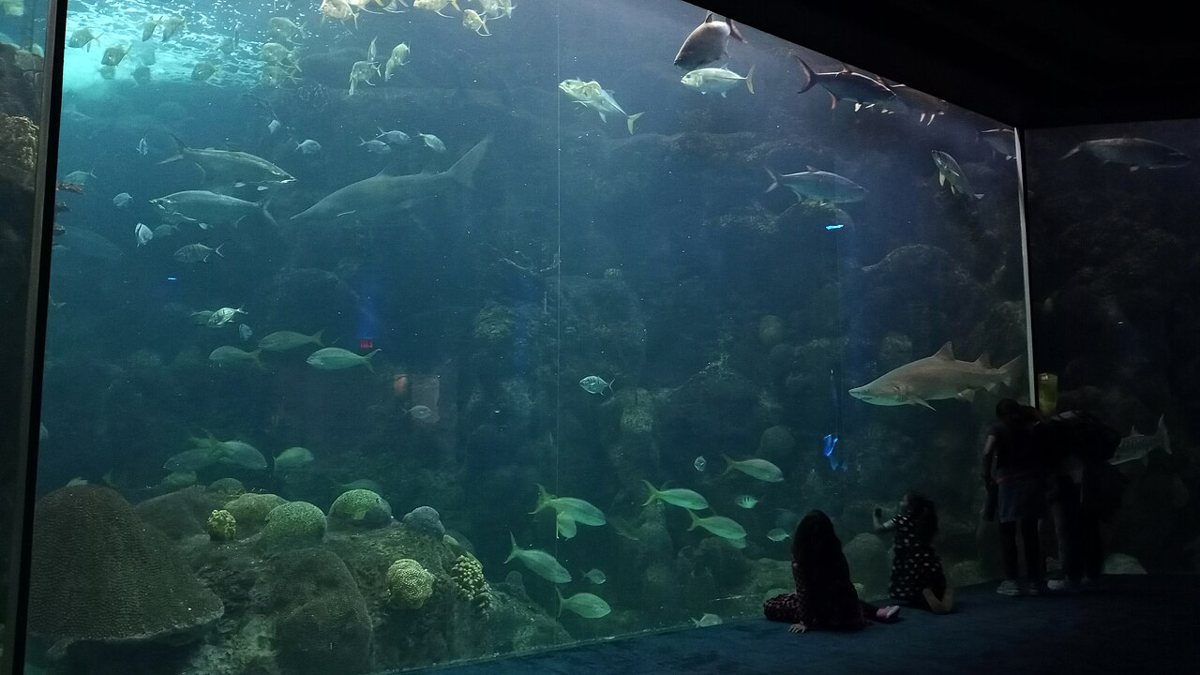
The Florida Aquarium is worth the visit on its own terms, not just as a rainy-day fallback. The touch tanks and shallow-water habitats work well for kids, and the aquarium also runs in-water dive and snorkel programs that put adults alongside the sharks and reef fish rather than watching through glass. Check what is currently on offer before you go, since those programs book up and change with the season. March through May is the ideal window, because the crowds haven't hit their summer peak and the outdoor splash pad areas are pleasant without being unbearable. Insider tip: go right at opening on a weekday morning, work backward from the largest reef tank, and you'll beat the school groups that tend to arrive by midday. It sits right on the Channel District waterfront, an easy walk or streetcar ride from downtown.

Ybor City for History, Food, and Nightlife
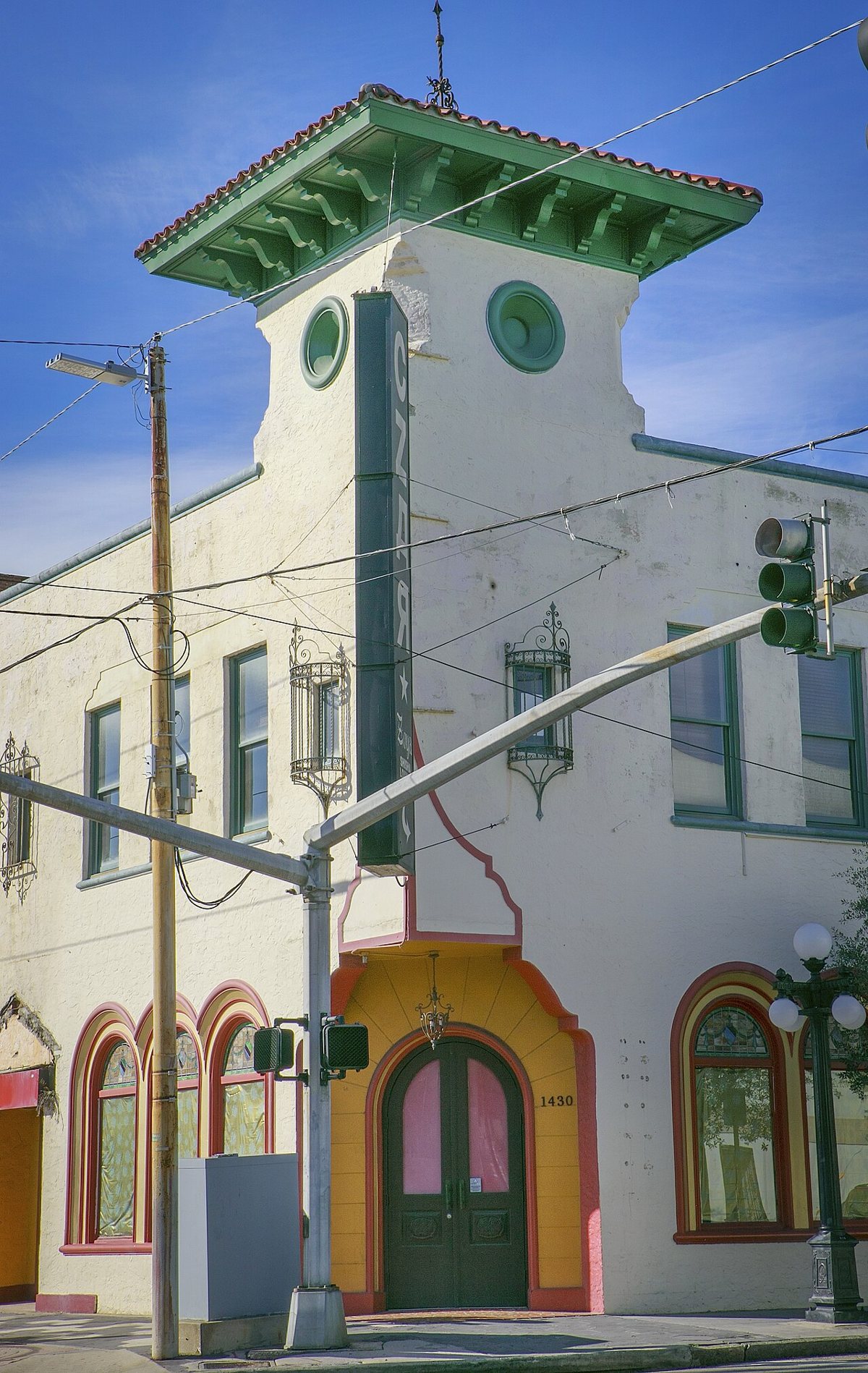
Ybor City remains Tampa's most distinct neighborhood because it was never manufactured to look historic. It is historic. The district grew out of the 1880s cigar industry that drew Cuban, Spanish, and Italian immigrants to Tampa, and Seventh Avenue still runs past the same wrought-iron balconies and brick cigar factories, several of which now house shops and bars instead of rollers. Walk it slowly during the day this time of year, when you can actually read the historical markers and duck into the Ybor City Museum State Park without competing with the nightlife crowd that takes over after dark. The cigar heritage isn't decoration here, it's the reason the neighborhood exists, and the Cuban and Spanish influence still shows up in the architecture, the social clubs and the food.

The Columbia Restaurant and Tampa's Cuban Sandwich Debate
No visit to Ybor City is complete without a stop at the Columbia Restaurant, Florida's oldest continuously operating restaurant, where the 1905 Salad still gets tableside tossed and the black bean soup has been on the menu for over a century. Order the Cuban sandwich while you're there and you'll get a lesson in local pride: Tampa's version includes a layer of salami alongside the ham, roast pork, Swiss, and pickles, a detail that separates it from the Miami version and one that Tampa cooks will defend without being asked. An afternoon on the Columbia's courtyard patio, shaded and quiet before the dinner rush, is one of the better lunches in the city. This sits right on Seventh Avenue in the heart of Ybor City.
Once the sun goes down, Ybor City switches gears entirely. Seventh Avenue's bars and live music venues, many of them former cigar-factory buildings and social clubs, fill up on spring weekends when the outdoor patios finally make sense again. Line the evening with dinner first, since the neighborhood rewards a plan more than a wander after 10 p.m., and the Ybor eating guide is the place to start.
Seminole Heights and Riverside Heights: Craft Beer Country
Seminole Heights has become Tampa's answer to the question of what a neighborhood looks like when bungalow-lined streets meet a serious brewing culture. Its front porches and patios do the most work in these months, and it's also when the neighborhood's reputation as one of the best craft beer destinations in the South is easiest to prove in a single afternoon. Cigar City Brewing, the anchor of that reputation, runs tours of its production facility and keeps its taproom stocked with the Jai Alai IPA that put Tampa on the national beer map, alongside limited and seasonal pours that mostly stay in the taproom. The taproom's outdoor seating area is where spring weekends actually happen, with a rotating food truck and a crowd that skews local rather than tourist.
Treat Seminole Heights as a crawl rather than a single stop. Cigar City sits within a short drive or rideshare of several other breweries and taprooms strung along Florida Avenue and Nebraska Avenue, and a proper spring afternoon means starting early, pacing yourself, and finishing with dinner at one of the neighborhood's independent restaurants rather than a chain. To work through the full lineup, a rundown of Tampa's best craft breweries is the better starting point than trying to hit everything in one trip.
Just south of Seminole Heights, Riverside Heights has spent the last several years turning warehouse space into Armature Works, a restored 1910s trolley barn on the Hillsborough River that now houses the Heights Public Market, a food hall of local vendors under one roof, plus a riverfront lawn where locals bring blankets and dogs on spring evenings. It sits directly on the Tampa Riverwalk's northern extension, so it pairs naturally with a bike ride down from downtown. Go for an early dinner and stay for sunset over the river; the outdoor seating along the water is the whole reason to choose this over a downtown restaurant with the same menu options.
Hyde Park and Bayshore Boulevard
South Tampa's Hyde Park is the old-money counterpart to Seminole Heights' bungalow revival, all brick-paved streets, live oaks, and a walkable retail core at Hyde Park Village that mixes local boutiques with a solid restaurant lineup built for a leisurely spring brunch. The neighborhood backs directly onto Bayshore Boulevard, and that combination is what makes South Tampa worth a dedicated half-day rather than a drive-through.
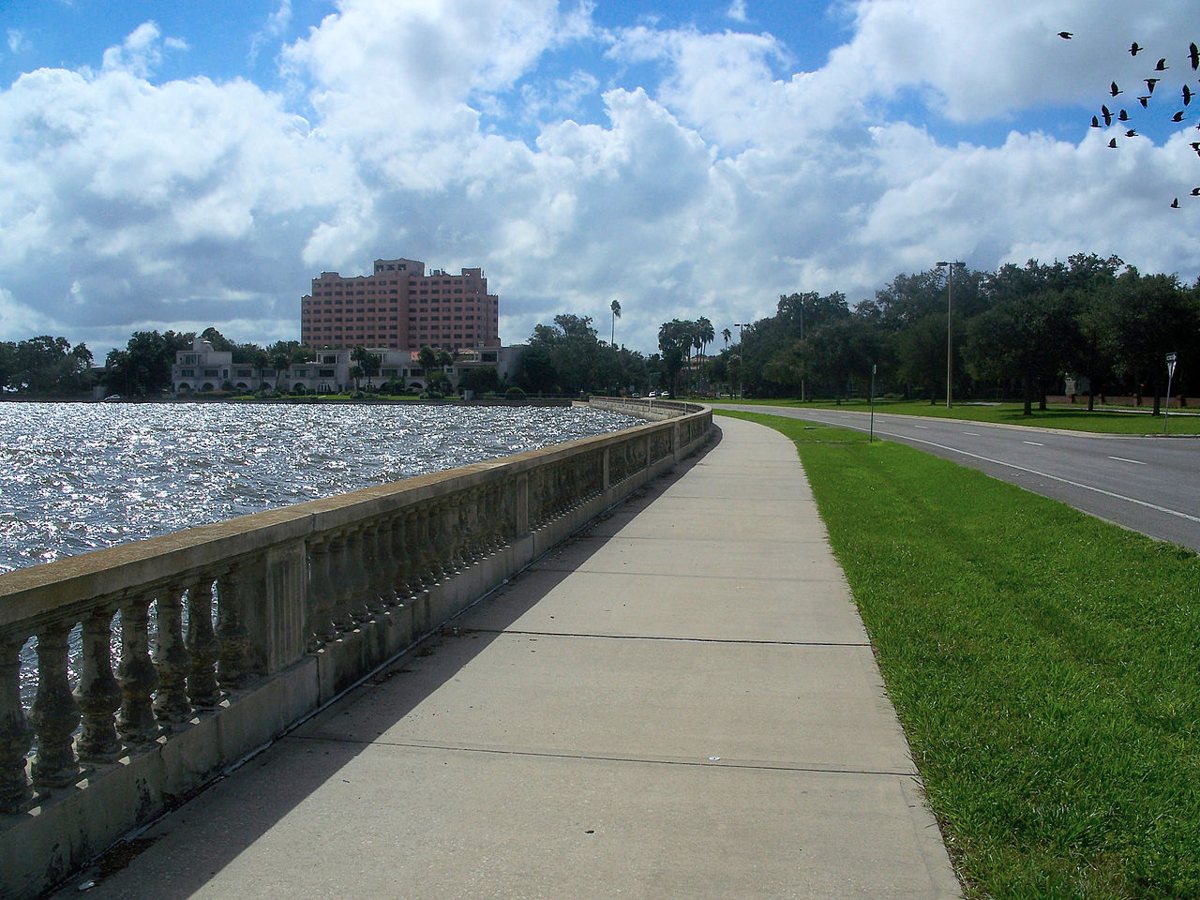
Bayshore Boulevard runs along the water for roughly four and a half miles and is often cited as the longest continuous sidewalk of its kind anywhere, a claim locals repeat with real pride. March through May is the best possible stretch to use it the way it's meant to be used, on foot or on a bike, with the water on one side and a run of historic homes on the other, MacDill Air Force Base traffic overhead as a reminder you're still in a working military town. Sunset walks here in March and April catch the kind of pink-and-orange sky that ends up on every local Instagram account, and unlike summer, you won't be sweating through your shirt by the time you finish. It costs nothing and it never closes.

Spring Training: Yankees Baseball at Steinbrenner Field
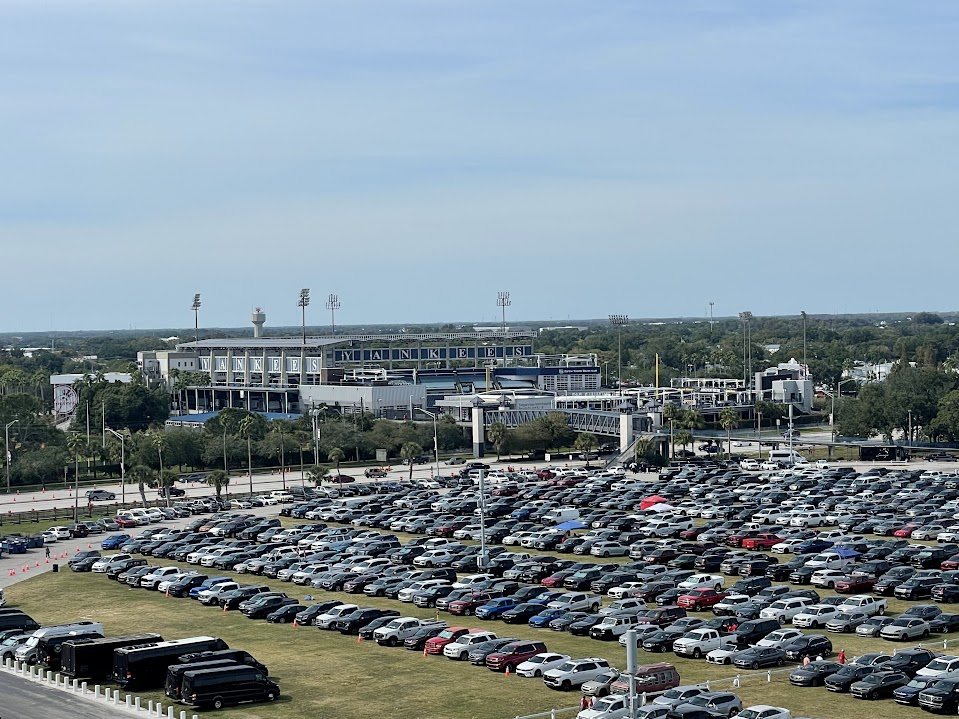
Baseball has meant spring in Tampa since long before Water Street existed. The New York Yankees have run spring training out of Steinbrenner Field in Tampa for decades, and the stretch of exhibition games each spring turns the stadium and the surrounding lot into a genuine local event, not just a tourist draw. Locals who wouldn't otherwise sit through a regular-season game show up for spring training because the atmosphere is looser, tickets are easier to come by than a Yankee Stadium seat will ever be, and players wander close enough to the rail for autographs in a way that never happens once the real season starts. Bring sunscreen, get there early for batting practice, and treat it as an afternoon rather than a night out, since day games dominate the spring schedule. It sits on Dale Mabry Highway, an easy drive from either downtown or South Tampa.

For Families and Anyone Who Wants Out of the City
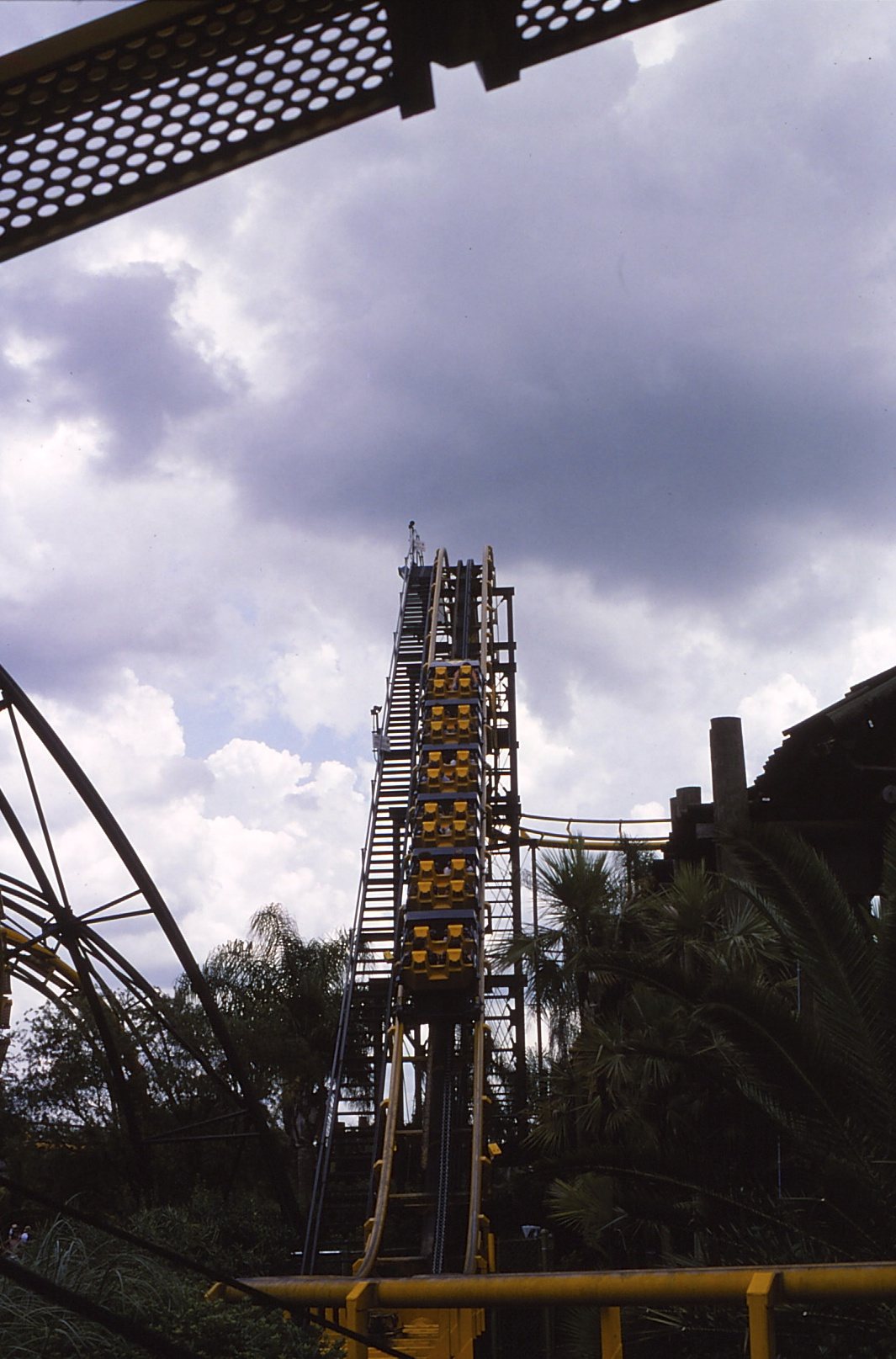
Busch Gardens Tampa Bay remains the single biggest draw in the region for families, and these months are genuinely the best time to go. The park's roller coasters, including SheiKra and Iron Gwazi, run without the summer heat that makes an all-day visit exhausting by 2 p.m., and the animal habitats, built around an African-themed layout with free-roaming giraffes and zebras, are more active with cooler mornings. Spring break weeks bring bigger crowds of their own, so a weekday visit outside of that window is the move if flexibility allows it. The Serengeti Safari add-on, which puts you on a truck in the middle of the animal habitat rather than looking at it from a train, is worth the extra cost if you've never done it. The park sits off Busch Boulevard north of downtown, distinct from and often confused with the zoo across town.

ZooTampa at Lowry Park, on the banks of the Hillsborough River, is the more manageable half-day alternative, especially with younger kids who'll tire out before finishing a full Busch Gardens circuit. Its manatee rehabilitation program is one of the more meaningful things to see in the city, not just an animal exhibit but an actual working rescue operation for a species that gathers in Florida's warmer waters every winter and into early spring. Mornings here are quiet, shaded, and cooler than the concrete-heavy paths at Busch Gardens, and the zoo's Florida wildlife section does a better job than most zoos of representing what's actually native to the region.
For a quieter option entirely, Lettuce Lake Park on the Hillsborough River offers a boardwalk trail through cypress swamp, an observation tower with river views, and a boat ramp for kayaking that puts you eye-level with turtles and the occasional alligator sunning on a log. It's a county park with no admission fee beyond parking, and this is when the water level and weather line up best for actually getting out on the river rather than just walking the boardwalk.
Practical Spring Tampa: Getting Around, Timing, and What's Free
Tampa spreads out more than first-time visitors expect, and a spring trip works best when it's planned by neighborhood rather than by one long checklist. Renting a car remains the most reliable option for covering downtown, Ybor City, Seminole Heights, and South Tampa in one visit, though a rideshare works fine if the plan is to stay within one or two pockets and drink on a brewery patio without worrying about driving home. A few practical notes locals actually rely on:
- Tampa is not a walkable city end to end. Plan around neighborhoods: park once in downtown, Ybor City, Seminole Heights, or Hyde Park, and walk or bike within that pocket rather than trying to stroll between them.
- The TECO Line Streetcar connects downtown to Ybor City and is a genuinely useful way to avoid parking twice in one evening.
- Weekday mornings beat weekend afternoons almost everywhere in spring, especially at Busch Gardens, the Florida Aquarium, and any brewery patio that fills up once the sun's high.
- Free spring options include the Tampa Riverwalk, Curtis Hixon Waterfront Park, Bayshore Boulevard, Lettuce Lake Park's boardwalk, and most of Ybor City's historic walking tour of its own streets.
- Afternoon storms are rare in spring compared to summer, but they're not impossible by late April, so check the forecast before committing to an all-outdoor day.
- Sunscreen matters even in March. The Florida sun doesn't wait for summer to burn.
What Spring Actually Proves About Tampa
People outside Florida still picture Tampa as a stopover between the airport and a beach somewhere else, or worse, as a punchline about strange local news. Spring is the season that makes the case against both. It's when the Riverwalk fills with actual residents instead of just conference attendees, when Ybor City's cigar heritage feels lived-in rather than staged for tourists, and when a Cuban sandwich with salami gets served without apology because that's simply how it's made here. None of this requires a festival calendar or a marketing campaign to be worth the trip. It just requires showing up in March, April, or May, walking outside, and paying attention to a city that spends the rest of the year being underestimated by people who've never stayed past their layover.