Best Hikes near Tampa: A Local's Guide
From cypress boardwalks in the city to river rapids and mangrove tunnels, a Tampa local sorts the trails worth lacing up for, with honest advice on heat, bugs, and parking.
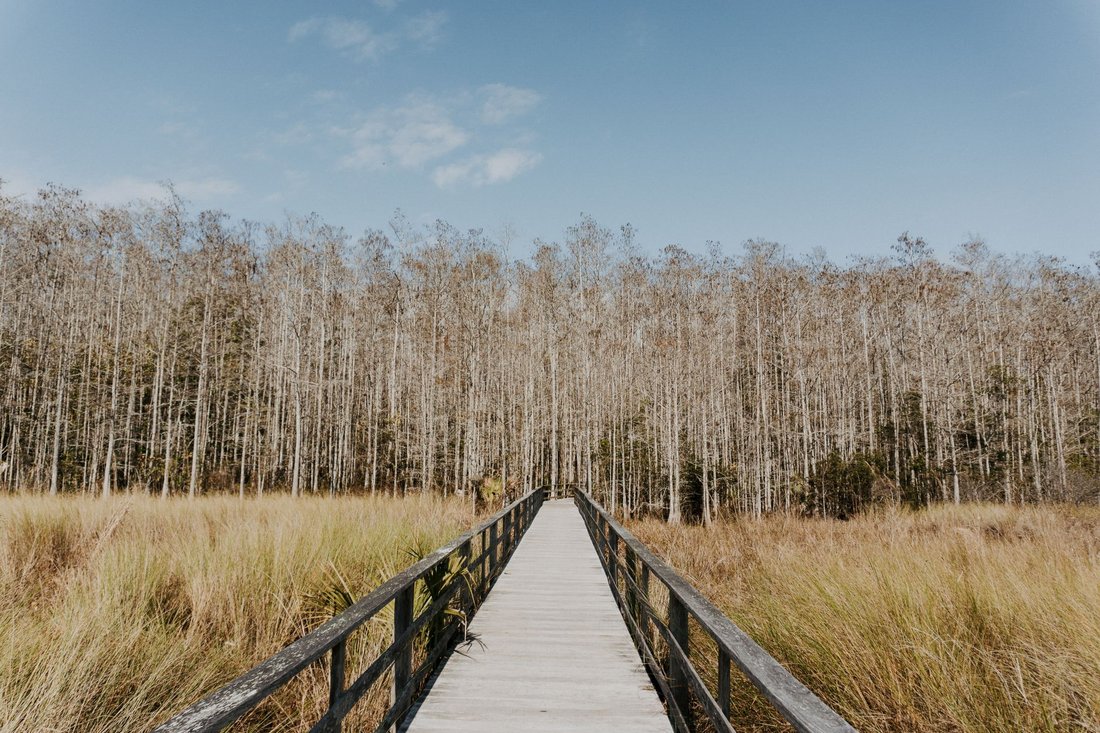
At seven in the morning the planks of a Tampa boardwalk are still damp, and the light comes down through bald cypress in thin gold strips. The knees of the trees poke out of tea-colored water like a crowd of small gray pylons. A limpkin picks through the shallows, a gator the length of a canoe floats without a ripple, and the air already feels like a warm washcloth. This is what the best hikes near Tampa actually look like, and almost none of it involves a mountain.
I moved to Seminole Heights from St. Pete years ago, and one of the first things I learned is that people who live here underrate the ground under their own feet. Tampa gets filed under theme parks and cruise ships, with Gasparilla beads on top. The land around it is older and stranger than that: river swamps, scrub, pine flatwoods, oak hammocks heavy with resurrection fern, and mangrove edges that smell like salt and mud. Hillsborough County alone has more wild acreage than most visitors would guess, and a lot of it is within a half hour of downtown.
A note on what "hike" means here. There are no hills to speak of, so the challenge is heat and distance. What you get instead is variety and wildlife, which is a trade most of us take happily. Below, I have sorted the trails by direction from the city: first the places in and around Tampa proper, then the river country to the east and south, then across the water into Pinellas, and finally one longer drive that earns its mileage. At the end there is a practical section on heat, bugs, and parking, plus an honest opinion about where to go first.
Best Hikes Near Tampa: A Quick Orientation
Tampa sits on the Hillsborough River, and the river is the thread that ties together most of the good walking here. North and east of the city it runs through floodplain forest and cypress swamp. South of town the Little Manatee and Alafia rivers carve their own corridors. West of us is Tampa Bay itself, with mangroves and salt flats on both the Tampa and Pinellas sides. To understand the layout, think of it as river, bay, and everything in between.
Keep in mind that Tampa is its own place. It is not a suburb of Saint Pete, and it has no business being lumped in with the beach towns of Clearwater. It is a river city with Cuban roots, a cigar-rolling past in Ybor City, plus a rugged backcountry that tends to get ignored in the brochures. For a bigger itinerary, our guide to more ways to spend a day covers the rest of the city, and the trails below slot easily into it.
Close to Town: Easy Walks in the Tampa Area
Lettuce Lake Park
A visitor with one morning who wants to see Old Florida without leaving the city gets sent to Lettuce Lake Park in northeast Tampa. A long raised boardwalk leads out over the Hillsborough River floodplain and loops through a stand of cypress and red maple. It is flat and shaded in most places, and short enough for kids and grandparents. An observation tower at the end of one stretch lifts you above the canopy so you can see how the river spreads into the forest.
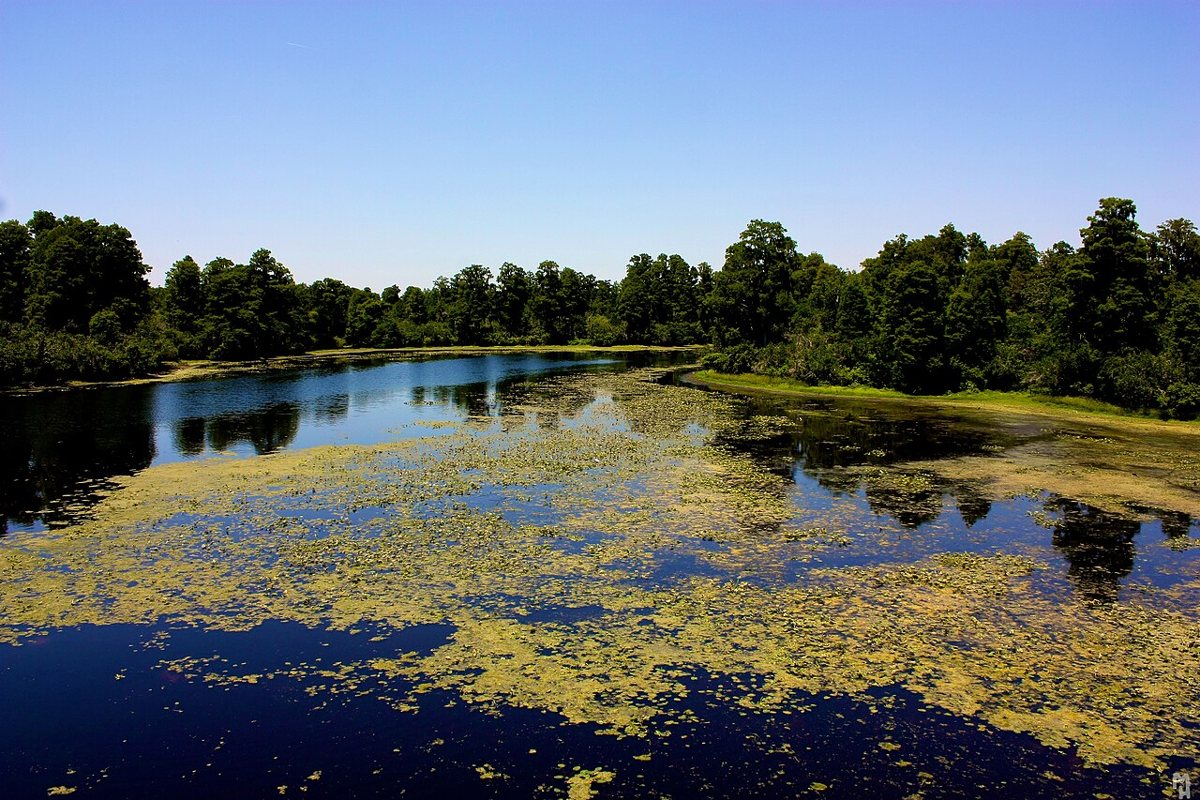

What to actually do: walk the boardwalk slowly and look down as much as up. Turtles stack themselves on logs and wading birds work the edges. Alligators are a regular fixture, so keep a respectful distance and never feed anything. The park also has a paved path and a canoe launch for paddling the river. The smart move is to arrive close to opening, because the boardwalk gets crowded on weekends and the wildlife is far more active in the first couple of hours. Expect a small parking fee at the entrance, and check current hours since county parks can change them.
Flatwoods Park
Flatwoods Park sits in the northern stretch of Hillsborough County, close to the Pasco line, and it is a different animal from the swampy boardwalk. This is pine flatwoods country: tall slash pines and saw palmetto under wide open sky, with a paved loop of roughly seven miles that circles the preserve. The loop is shared with cyclists and runners, which makes it less of a wilderness experience and more of a long, easy outing. Beyond the pavement, there are softer, unpaved trails that wander through the palmetto for people who want dirt under their shoes.
It is also an excellent place for beginners learning how much water to bring. Little of the loop is shaded, so midday in summer is punishing. Go at dawn, when deer sometimes step out of the palmettos and the sandhill cranes and hawks are working. I like it for a long walk when I want to think and do not want to navigate. Parking is generally easy, and the park is popular with horse riders, so be ready to step aside on the unpaved sections.
Lower Hillsborough Wilderness Preserve
For something wilder, head to the Lower Hillsborough Wilderness Preserve, a large tract of river corridor protected for water supply and wildlife. This is the Hillsborough River without the crowds: oak hammocks and cypress sloughs, with long sandy tracks through pine. It is part of a connected string of conservation land in the county, with several trailheads, and it feels remote in a way that surprises you given the distance to downtown.
This is hiking for people who are comfortable reading a map and carrying their own water. Trails can flood after summer storms, and the mosquitoes in the wet months are no joke, so check conditions before you commit to a long loop. In the cooler months, though, it is peaceful and often nearly empty. A paper or downloaded map helps, since cell coverage drops in places, and tell someone where you are going.
Out to the River Country
Hillsborough River State Park
Hillsborough River State Park, northeast of Tampa near Thonotosassa, is the one I take out-of-town friends to when they say Florida is flat and boring. The park goes back to the Civilian Conservation Corps era, and the old stonework and trails show it. The river here runs fast over limestone, creating small rapids that are rare in a state this level. A suspension bridge crosses the water, and the trails run through hardwood hammock and cypress along the bank.
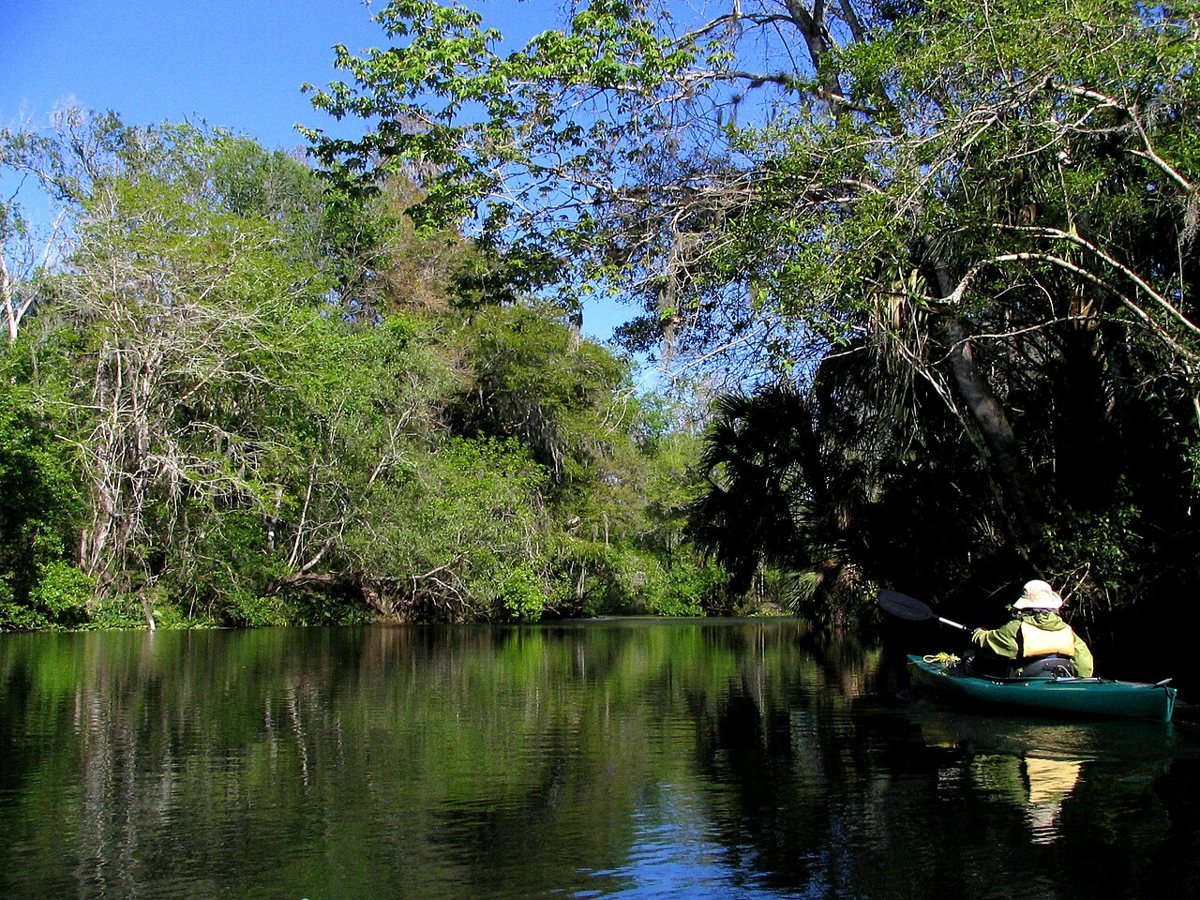

The classic move is to walk the river trail, cross the suspension bridge, and look for the moss-draped live oaks overhead. Several loops let you extend the day into a longer hike, and there is a canoe rental on site for paddling the same river you just walked beside. State parks typically charge a per-vehicle entry fee, and this one is no exception, so keep a little cash or a card ready. Get there early on weekends, since the parking lot fills up and the park limits entry when it is full.
Little Manatee River State Park
South of Tampa near Wimauma, Little Manatee River State Park is the place I recommend for people who want a real backcountry loop without driving to the middle of the state. The river itself is clean, dark water bordered by hammocks and floodplain forest, and the trail system winds through scrub, pine flatwoods, and oak woods. It is one of the least crowded state parks in the area, which is a big part of the appeal.
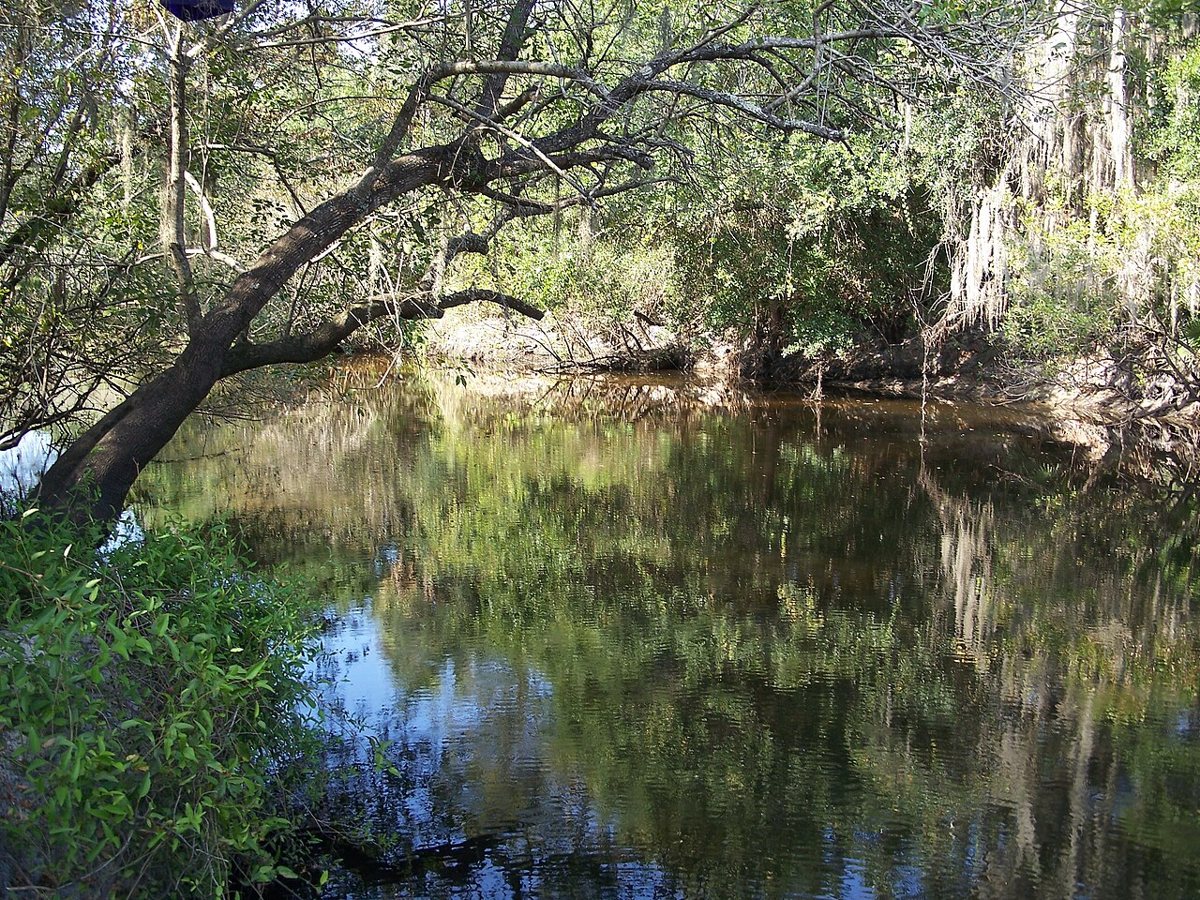

The park has a hiking loop of several miles, plus horse and camping facilities, so it works for a long day or an overnight. In the dry season the sand is hot and deep in places, so wear shoes you do not mind getting dirty. In summer, keep an eye on the weather because afternoon storms build quickly. Plan the hike for the morning and then cool off with a late lunch back in Tampa, not at some roadside stand where the choices are thin.
Where Tampa Meets the Water
Upper Tampa Bay Park
Upper Tampa Bay Park, up in the Oldsmar area on the northwest edge of Hillsborough County, is the best way I know to see the mangrove side of Tampa Bay on foot. A boardwalk and a set of short trails lead through coastal hammock and out over tidal flats, with wading birds working the shallows and the water spreading out wide and flat. There is a small nature center on site, and the preserve has paddling routes for people who prefer to explore by kayak.
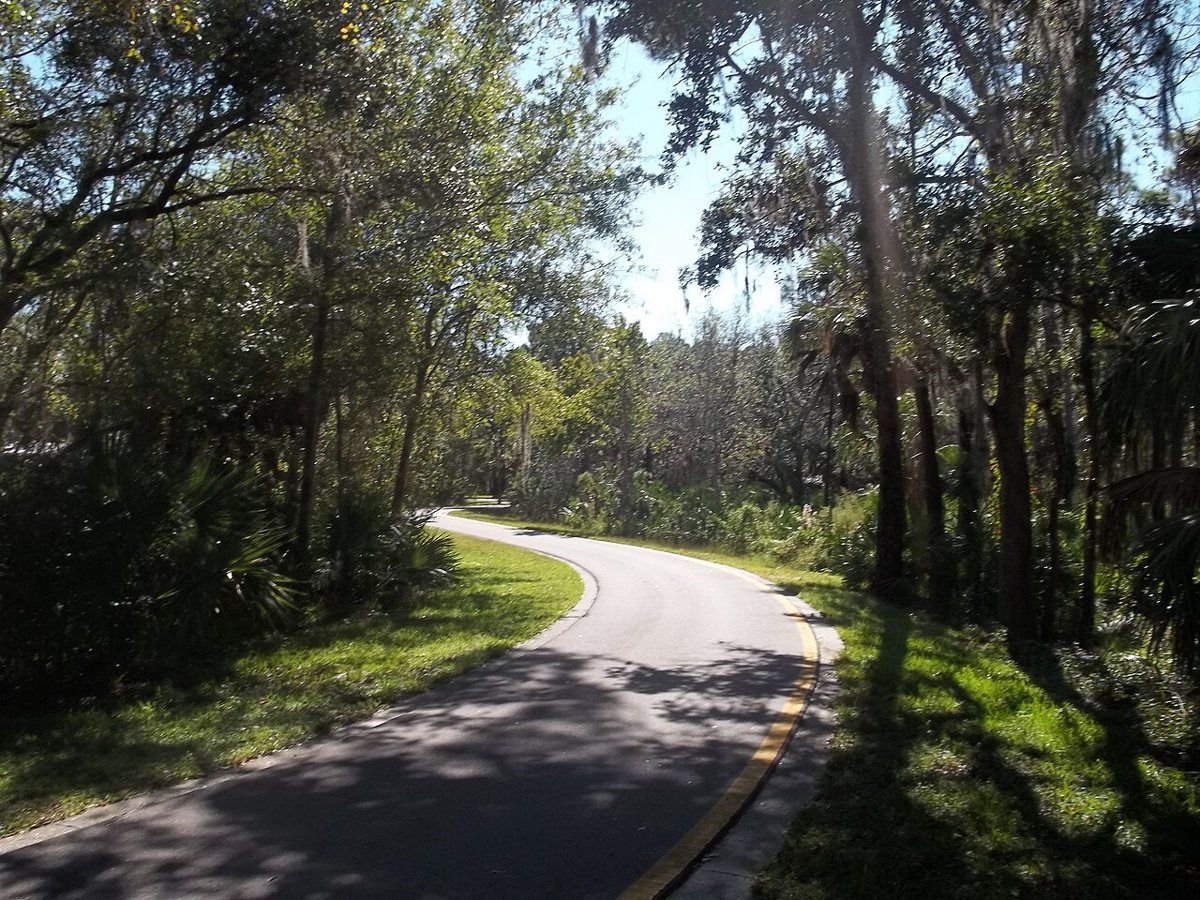

The walking here is gentle, so it is a good choice for families and for anyone who wants birds more than miles. The tide matters: at low tide the flats open up and the wading birds are busiest, while high tide brings the water right up to the mangrove roots. Pack bug spray, because the salt marsh edges are rich in biting insects, and a hat, because there is little shade on the open stretches. Expect a modest entry fee, and check current hours before heading out.
Weedon Island Preserve
Weedon Island Preserve sits on the Pinellas side of the water in Saint Pete, reachable by crossing the Gandy Bridge from Tampa. It is a big preserve of mangroves and salt barrens, with a boardwalk that runs out through the mangrove forest and an observation tower for looking over the bay. The land has been used by people for thousands of years, and there is a cultural and natural history center that explains the Native American history of the site.
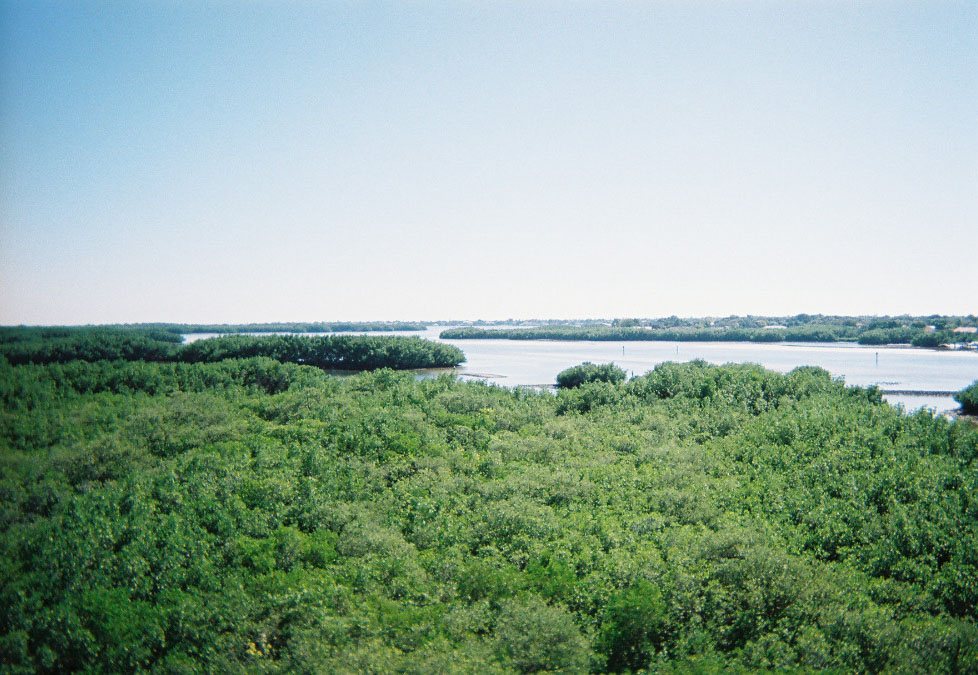

The boardwalk is the main draw, and the tower gives a view of the skyline across the water that makes you appreciate how close this wild land is to the city. Kayak launches open up marked paddling trails through the mangrove tunnels, which many people consider the best part of the preserve. Visitors from Tampa will find it makes a good half-day with a late lunch afterward. Go in the cooler months if you can, since there is little relief from the sun out on the exposed stretches.
Boyd Hill Nature Preserve
Boyd Hill Nature Preserve, also in Saint Pete, is a smaller, more intimate place on the shore of Lake Maggiore. A boardwalk and several short trails pass through a patchwork of habitats: lake edge, oak hammock, and marsh. Because the trails are short and well maintained, it is an easy place to take someone who is nervous about hiking in Florida. Wading birds and turtles are regulars, and the occasional alligator turns up.
The preserve is run as a city nature park, and it typically charges a small admission fee at the gate, so check current rates and hours. Treat it as a bird-watching walk, not a workout, and carry binoculars if you own them. The butterfly and wildflower displays in the warmer months are a nice bonus. It is compact enough that you can finish in an hour or two, which leaves time for the rest of a day in Pinellas.
Honeymoon Island State Park
Honeymoon Island State Park, off Dunedin, is where Florida's barrier island character shows up in a hiking context. The Osprey Trail winds through a stand of slash pine, among the last remaining old-growth pine stands in this part of the Gulf coast, with nesting ospreys overhead and gopher tortoises in the sand. The trail is easy and mostly flat, and the park's beach is a short drive away for a swim afterward.
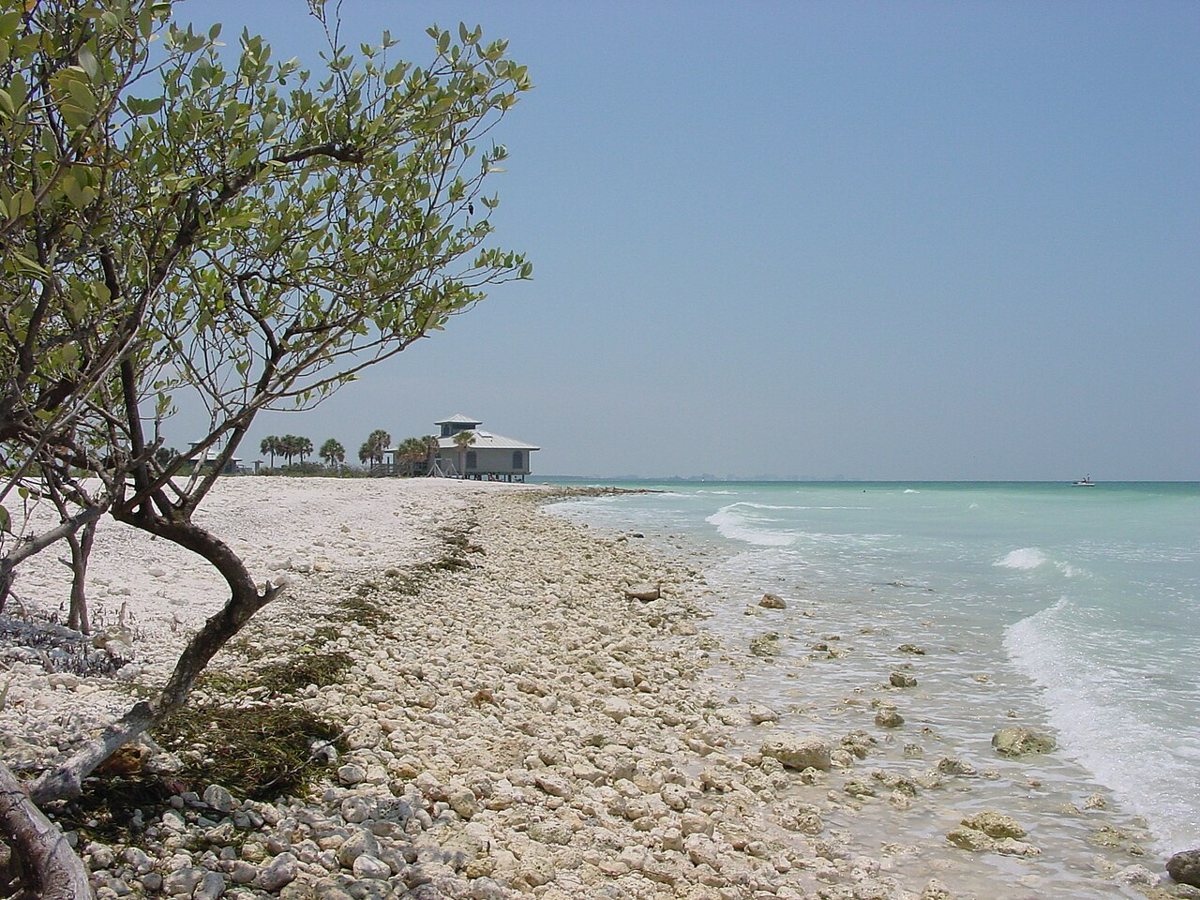

Honeymoon Island is a good pick for a hike that doubles as a beach day, and it is famous for bird nesting season, when the ospreys are active along the trail. Keep your distance from nests and tortoise burrows, and stay on the marked path. There is a per-vehicle fee at the entrance, and the park can fill up on beautiful weekends, so arriving early makes a difference. It is a drive from Tampa, but a pleasant one, and the beach alone justifies the trip in the cooler months.
Brooker Creek Preserve
Brooker Creek Preserve, in northern Pinellas County near Tarpon Springs, is the biggest preserve in the county and a refuge for people who think Pinellas is all beach condos. A long boardwalk leads through cypress swamp, and an environmental education center explains the ecology of the area. Beyond that, trails run through pine flatwoods and wetland, with plenty of room to get away from other people.
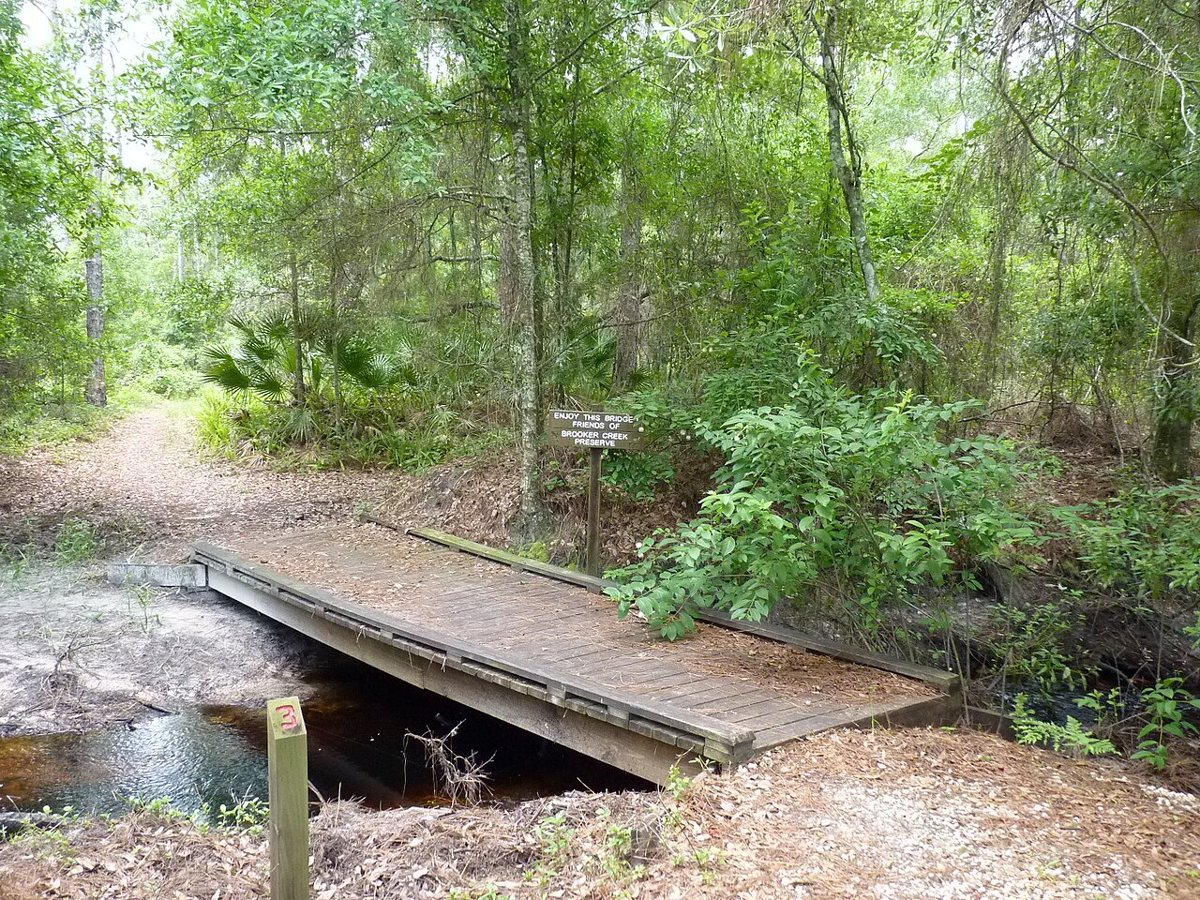

It is a quiet, uncrowded place, and the combination of boardwalk and longer trail makes it adaptable to different fitness levels. Check current hours, since the center and trails operate on their own schedule, and bring water because the pine sections get hot. I recommend it to anyone who wants a taste of the inland wilderness that Pinellas County has kept, and a break from the busy roads closer to the water.
A Longer Drive Worth Making
Circle B Bar Reserve
Circle B Bar Reserve, near Lakeland in Polk County, is about an hour from Tampa, and for wildlife watching it is the best trip on this list. The reserve sits on the shore of Lake Hancock, on land that was once a cattle ranch and has been restored as wetland. The trails are flat and wide, and they run along marsh and open water where birds gather in large numbers.
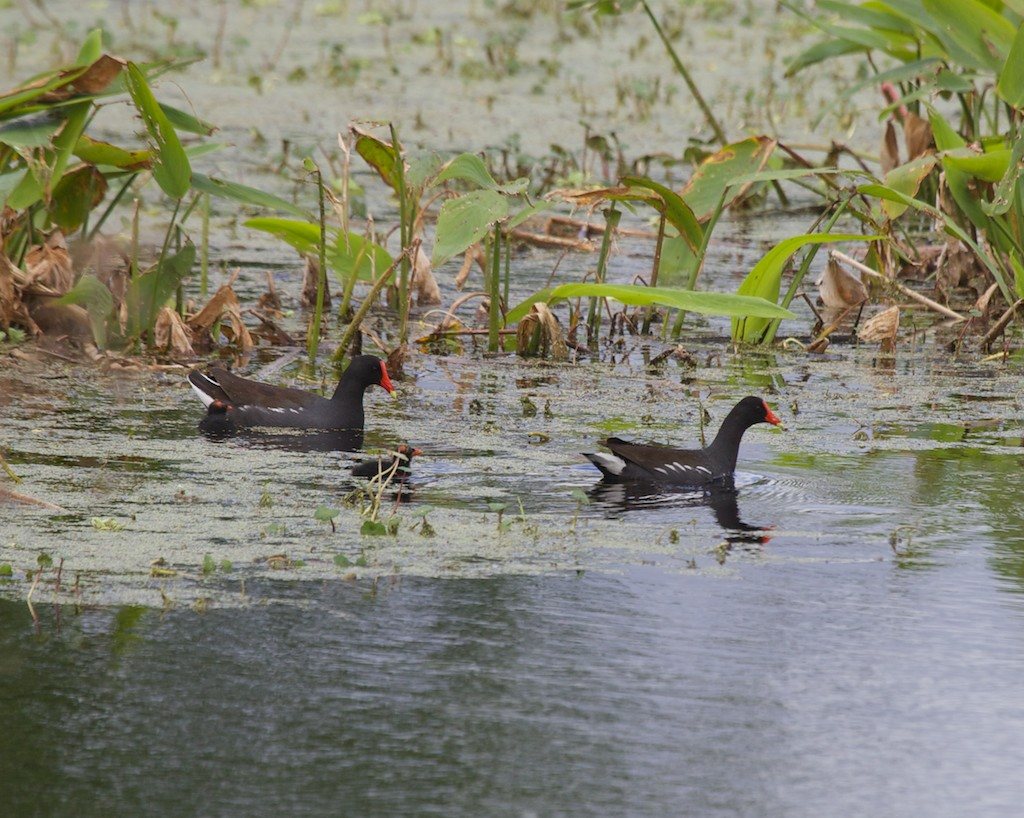

This is where you go to see alligators in numbers, plus wading birds and raptors, all from a safe distance on the trail. Early morning is the right time, when the light is soft and the animals are active. A camera with a zoom lens, binoculars, and plenty of water all earn their weight here. Because it is a drive, I suggest pairing it with lunch in Lakeland, treating the day as a proper outing rather than a quick walk.
Heat, Water, Bugs, and Parking
Heat is the main thing to plan around. From late spring through early fall, the best window for a hike is roughly sunrise until nine or ten in the morning. After that the humidity builds, afternoon storms often roll in, and the open stretches become punishing. From November through March, the weather is lovely and you can hike most of the day, though mornings are still best for wildlife.
Carry more water than you think you need, even on short walks. A hat and sunscreen help, and shoes with decent traction are better than sandals on boardwalks that stay wet. Bugs vary by season and place: mosquitoes are worst after summer rain and the salt marshes breed biting midges. Repellent is cheap and worth carrying. Watch for alligators near any fresh water, and treat the snakes you see as neighbors to be left alone.
On costs, the general pattern is simple. County and city preserves often have free or low-cost entry, though some charge a small parking or admission fee. State parks typically charge a per-vehicle fee, and an annual pass can pay off if you plan several visits. Hours are usually sunrise to sunset, but they change, so check the park's website before you drive. Cell service can be spotty in the deeper preserves, so download a map ahead of time.
Make a Day of It
The nice thing about hiking out of Tampa is what waits for you afterward. Skip the chain restaurants and eat like a local: a Cuban sandwich, the Tampa version with salami layered in with the ham and roast pork, from a bakery in Ybor City, the historic Cuban and cigar district that shaped the city. A grouper sandwich is the other fine reward, as is a deviled crab, which has its own Ybor City lineage. For a sit-down meal, the 1905 salad at Columbia Restaurant is worth the stop, and a cold pint from Cigar City Brewing makes a good ending to a sweaty morning.
To extend the day, our picks for the city's best parks are worth a look, especially on weekdays when the trails are quiet. Tampa Riverwalk is a good option for a lighter stroll if the heat gets to you, and Seminole Heights has plenty of places to cool off.
An Honest Take
I have walked most of these trails more times than I can count, and my view has shifted over the years. When I first moved here, I thought of nature around Tampa as something you drove through on the way to somewhere better. I was wrong, and I think a lot of locals still are. The wild places here are not dramatic in the way the Rockies are. They are quiet, humid, and a little strange, and they reward patience far more than effort.
Asked to pick one trail to start with, I would say Lettuce Lake Park for the easy boardwalk, and Hillsborough River State Park for the day you want to feel like you left the county. With only one chance, go in the early morning in winter with binoculars, and walk slowly. Tampa has spent a lot of years being defensive about what it is, and the land is a good argument for the city. It does not need a theme park to make its case.
The honest truth is that the best hikes near Tampa are not the longest or the hardest. They are the ones you actually get to, early, with water in your pack and no particular schedule. Pick one this month, set the alarm, and go before the heat gets a vote.